A scrap of lost thought. A slipping away.
The thin gauze of light. A settling in.
A pending heartbeat, the rhythm grazed.


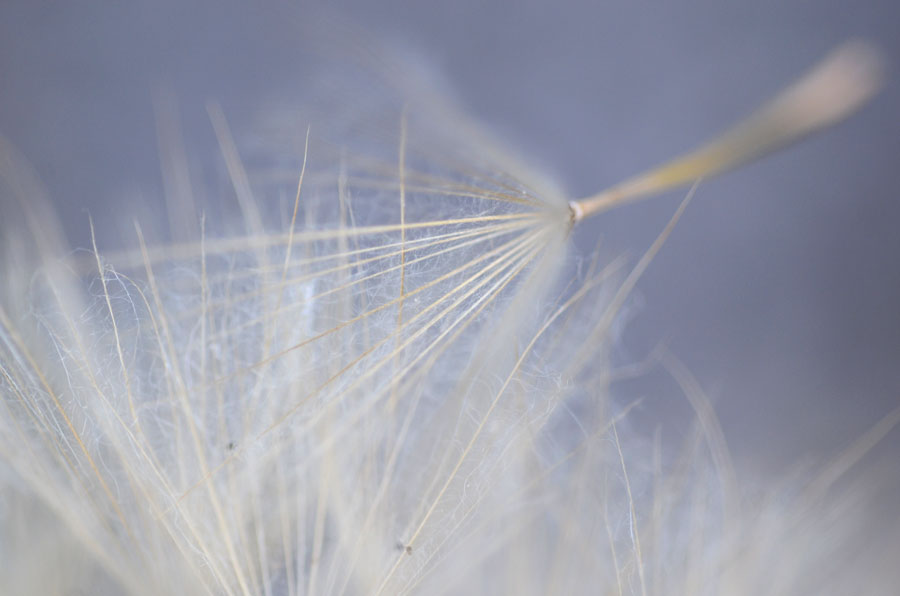


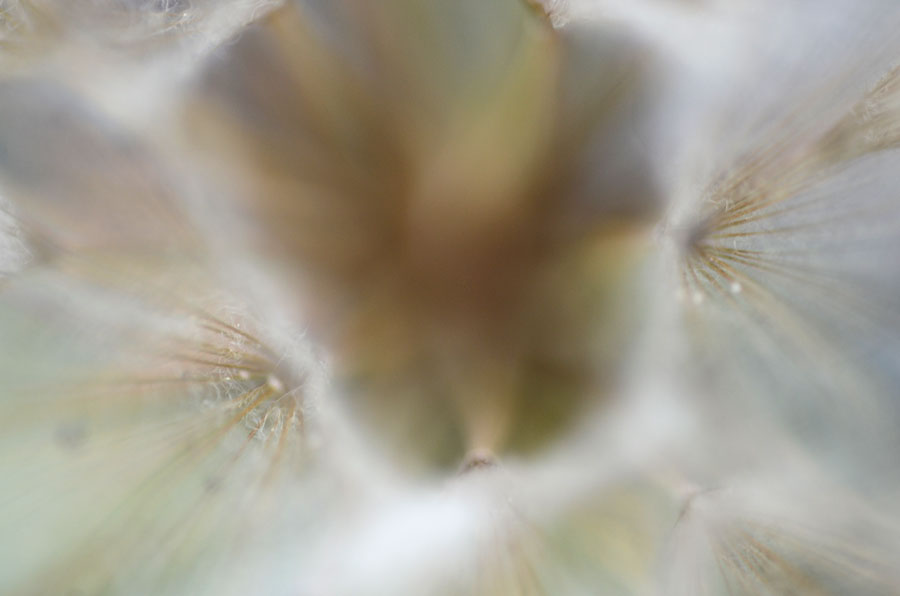 Goat’s-beard seed head
All images © Karen McRae

A scrap of lost thought. A slipping away.
The thin gauze of light. A settling in.
A pending heartbeat, the rhythm grazed.
Goat’s-beard seed head
All images © Karen McRae
“Sometimes we find our inherent selves in youth. It is a recognition of something that at first is small within us, that we will grow into somehow” The Cat’s Table, Michael Ondaatje
I was struck by these thoughts. They have woven themselves into me, and they have pressed up against a barrier on the way out.
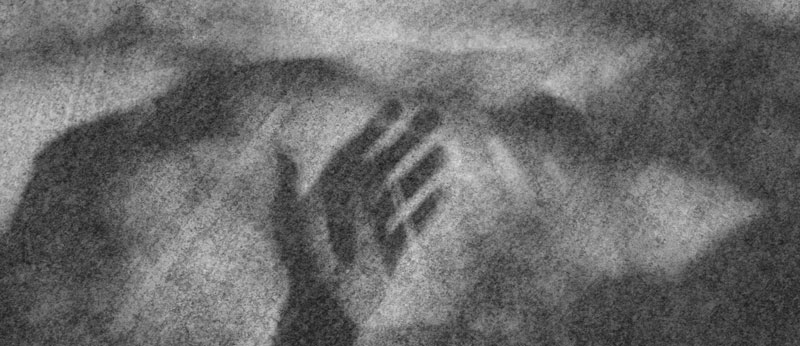
I am seeing a small girl standing on the tailgate of truck. (Is that right? Did we have a truck at that time? I do remember being high up.) She is standing with a brown rectangular box in her hands. A camera. Her first. As I remember this I am watching my younger self. One of those third person memories, where you are separate from the girl you are looking at, but you are also in her, and are her. Those memories can’t always be trusted. They are both real and not real. They ripple with distortion.
As you are protectively watching her, she glances over her shoulder, as if for reinforcement. As though you are her buttress. And you know that you are.
She is marking time. No. She is stopping time. Marking changes.
click. that click seems so quiet. a pause. these images she is making are just whispers in time. there are people here in the landscape, but is that what she is trying to hold on to?
Something tangible will remain. It will be a small paper square with a white border. The surface glossy. The white border is appropriate because it is a landscape of snow. White, grey and cold. On the cusp of a warmer season. (those people; what do they look like now?)
You can almost smell the plasticity of the brown box. The smell of the film. The acrid odour of a just-burned flashbulb. It is powerful, that particular sense. A sense that can send you back into a memory as fast as a swirling twister. One quick spiraling breath and you are there. Fleetingly. But in that snippet of time you remember that sensation.
The power of pausing time. Shaping images.
click. it is a quiet place this marking of moments. are they shaped to her favour? if the memories can’t be trusted, can the images? are they too, manipulated by time? it doesn’t matter. she is fond of the layers that time settles on these moments, she is easily pulled into the riddles. click. exhale. she is still lost in this visual space. still at times, glancing over her shoulder. i am watching her, still.
© Karen McRae, 2012
Cape Breton: The Island That Almost Isn’t an Island
 The Strait of Canso lies between mainland Nova Scotia and Cape Breton Island. In 1954 over 10 million tonnes of rock were used to build a causeway connecting the island to the mainland. This snaking rock wall is 65 metres deep in places, making it the deepest causeway in the world. There is a canal that allows ship traffic to pass through. If this remaining thread of water wasn’t here, Cape Breton would really, no longer be a true island.
I am struck by the simultaneous connection, and disconnection, of such engineering. On one hand, a community has been bridged. On the other, a community shut out. A safe harbour has been built. But also, an impasse. We are nothing, if not a contradictory species.
These images really, have little to do with what I have written about here, except that they make me think of how we impact our environment. Of how I impact our environment. They make me think of what gets left behind. What could be left behind. They make me want to tread a little lighter on this intriguing planet.


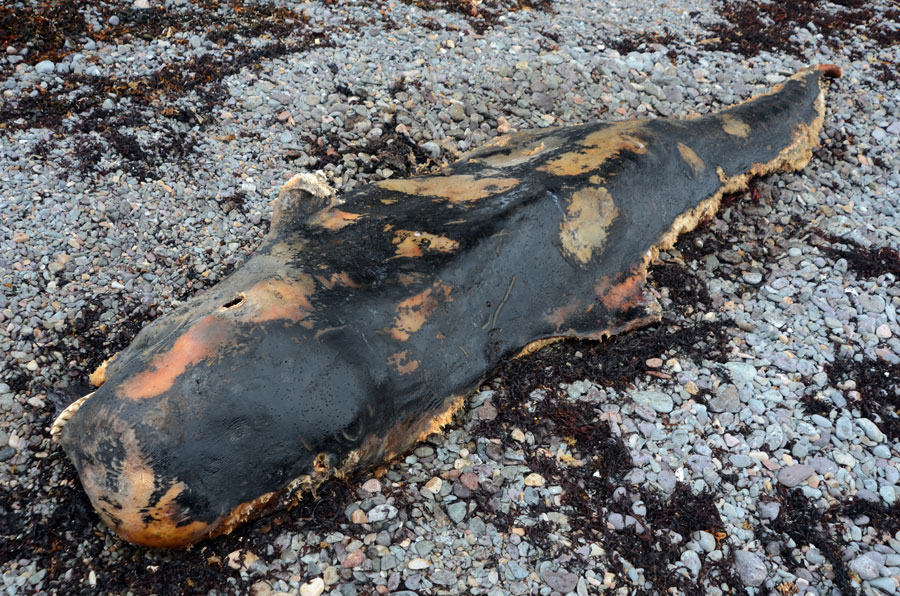
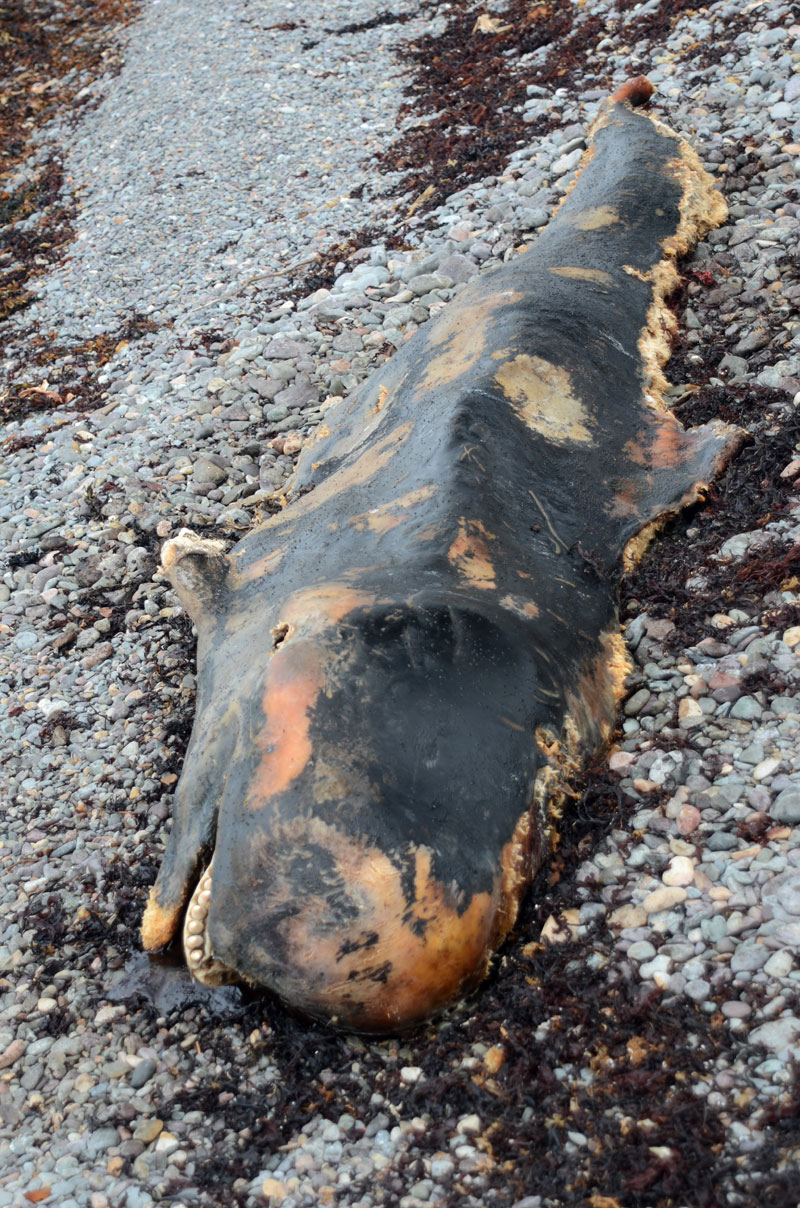 The above 3 images are of a decaying Pilot Whale, washed up onto a Cape Breton beach.
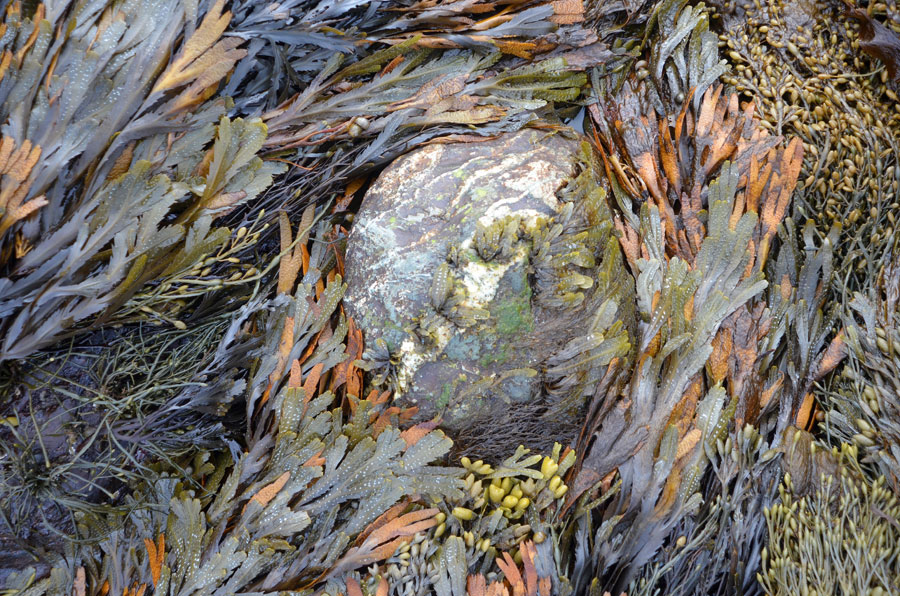
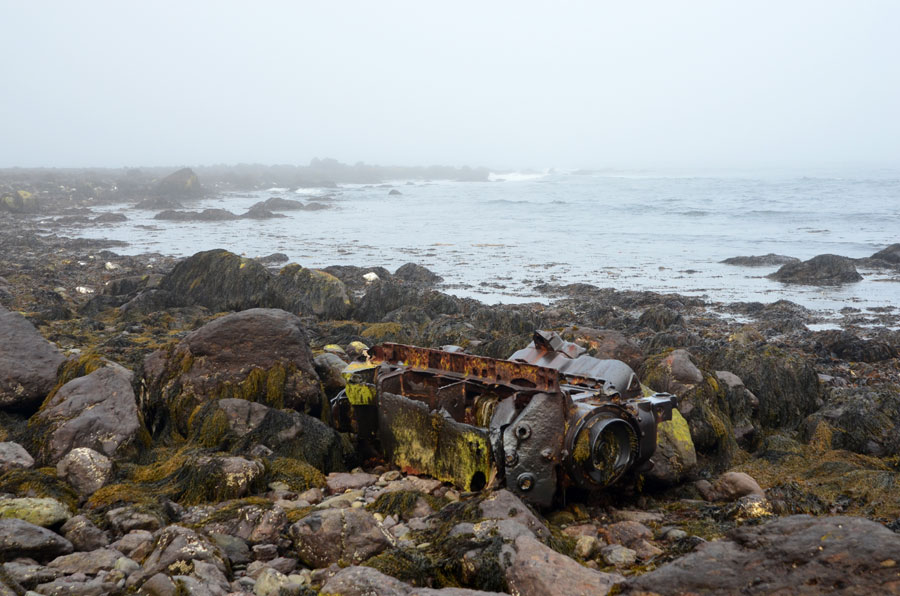 This large engine, is reportedly from an old steamship wreck, I was unable to find any other information about it.

 It is doing it’s best to blend into the environment…

 Cape Breton Island, Nova Scotia
*If you are interested in reading more about the environmental effects of blocking the Strait of Canso, there is some interesting reading here, here and here.
All images © Karen McRae
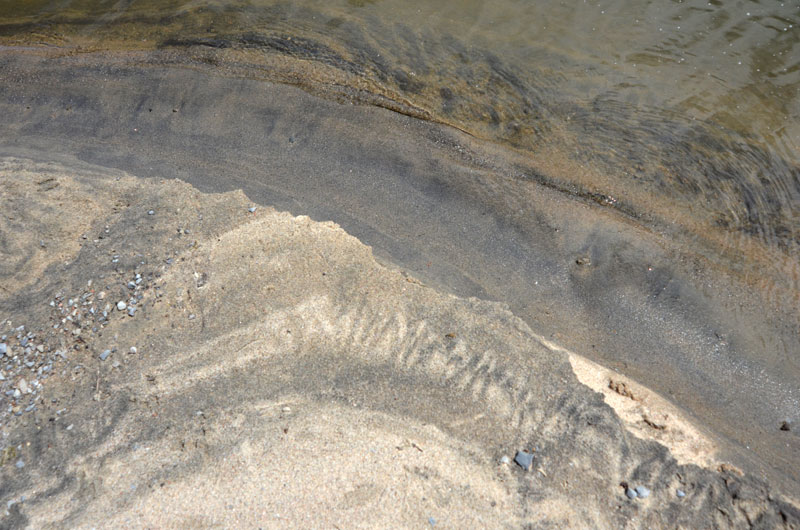
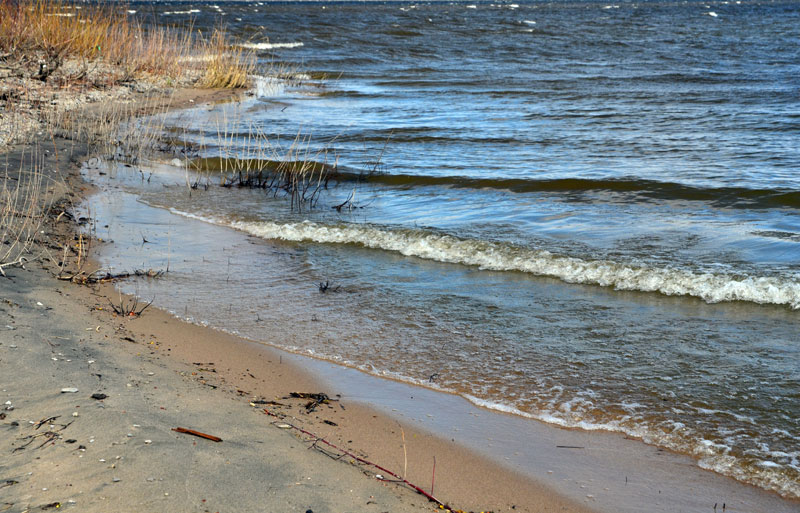
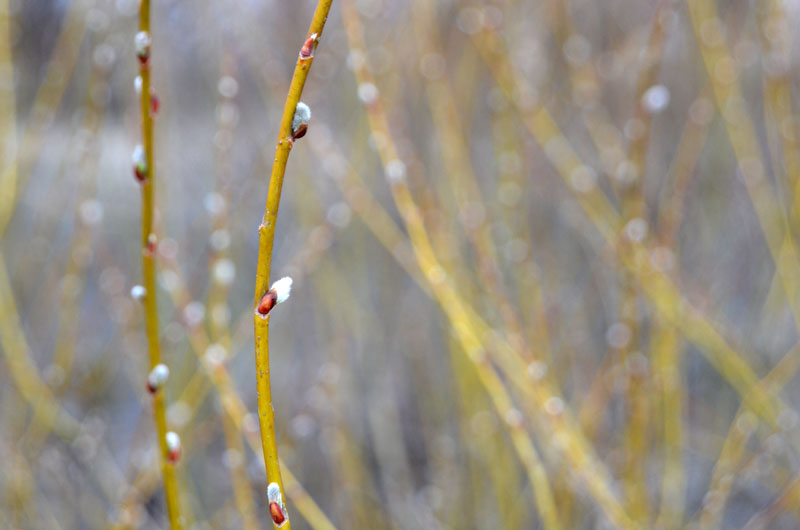
 I’ve been thinking about the textures of spring. The things you slowly come to notice. Like the way the air sort of rushes through you instead of around you. The yellow-greens that hover at the tips of the trees like a dancing mist. The velvet carpets that slowly roll out under your feet. Some of them solid. Some of them shifting. How your senses heighten and make everything more absolute. But with this, a softness.
The temperate softening of the landscape. There is a beautiful energy to the spring; a measured growth and a bursting freshness.





All images © Karen McRae
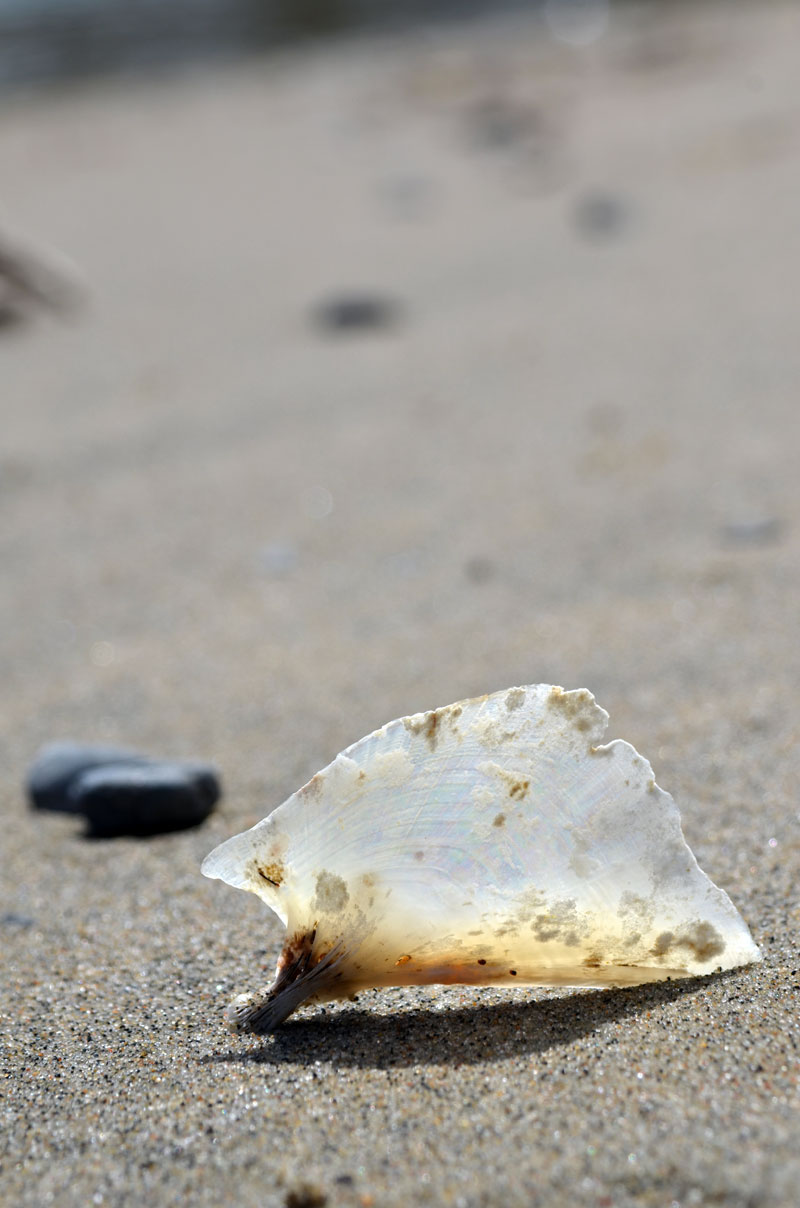
Collected from among the flotsam and jetsam washed up along the shoreline. There are surprising things that gather after the frayed edges of winter wear off but these things belong there. Of course I’ve taken them out of context because I like the surprises I get when I look at things in that way. In a sense I compare these little studies to doing sketches between paintings, really looking.
I love the diversity. The roots systems. The texture and character. The delicate veins that weave things together. The same things that weave us together.
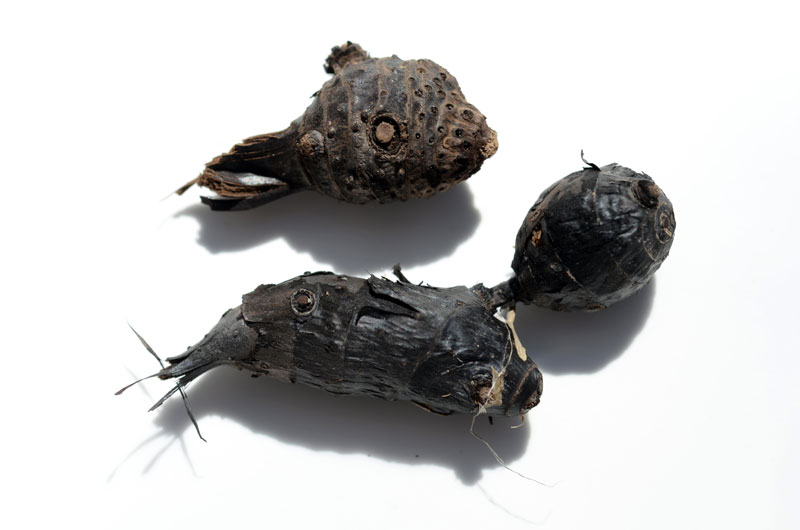

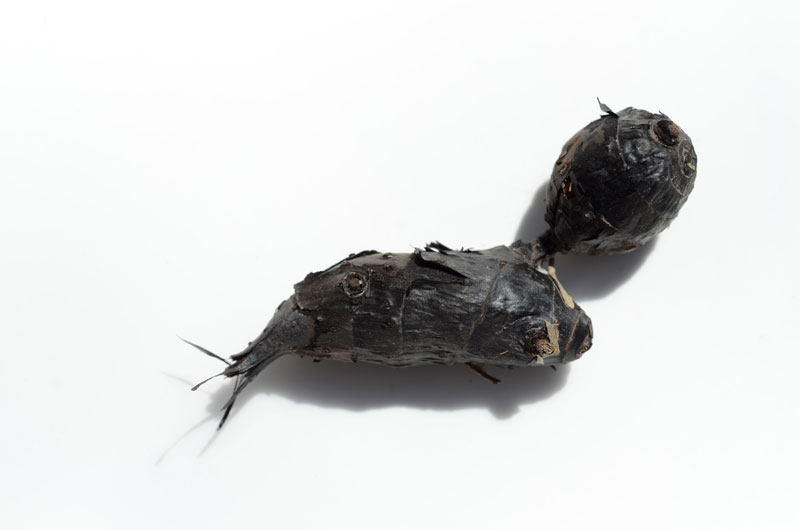
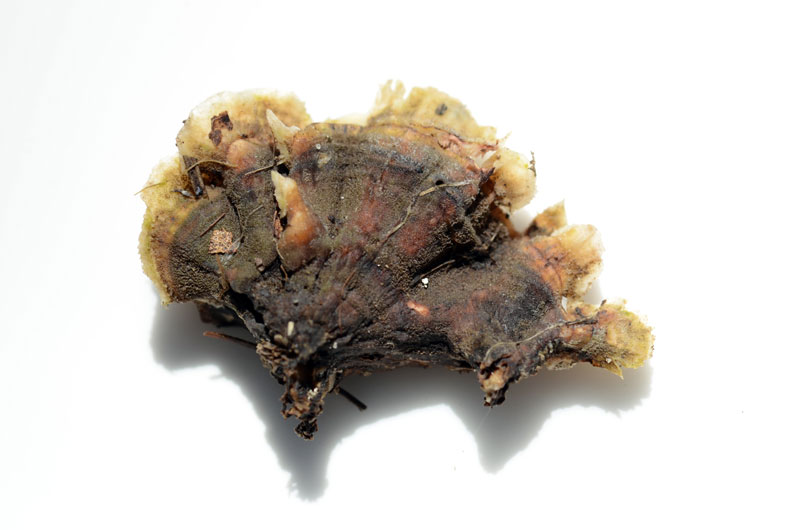
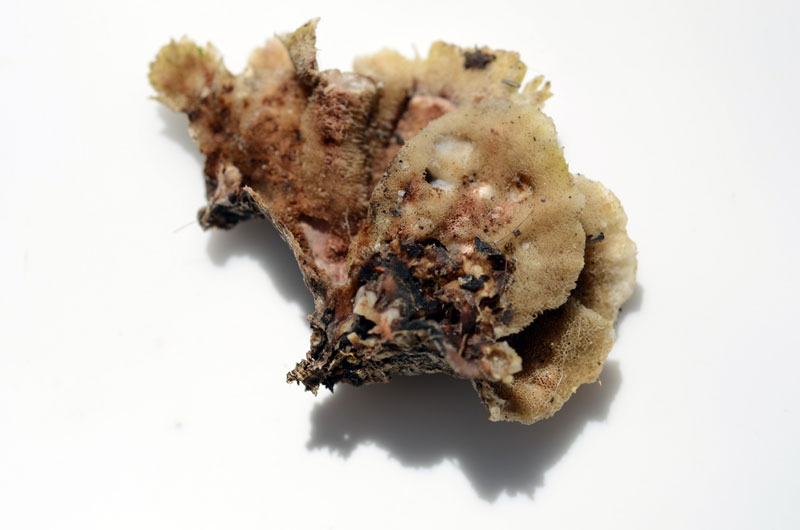
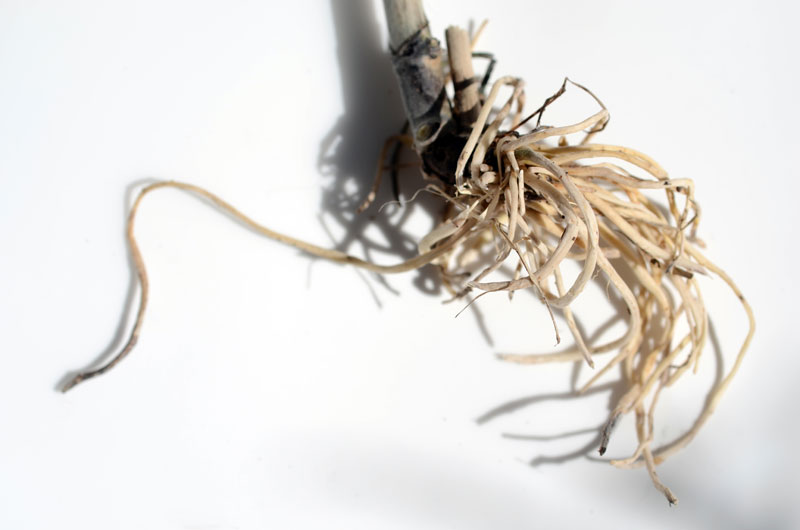
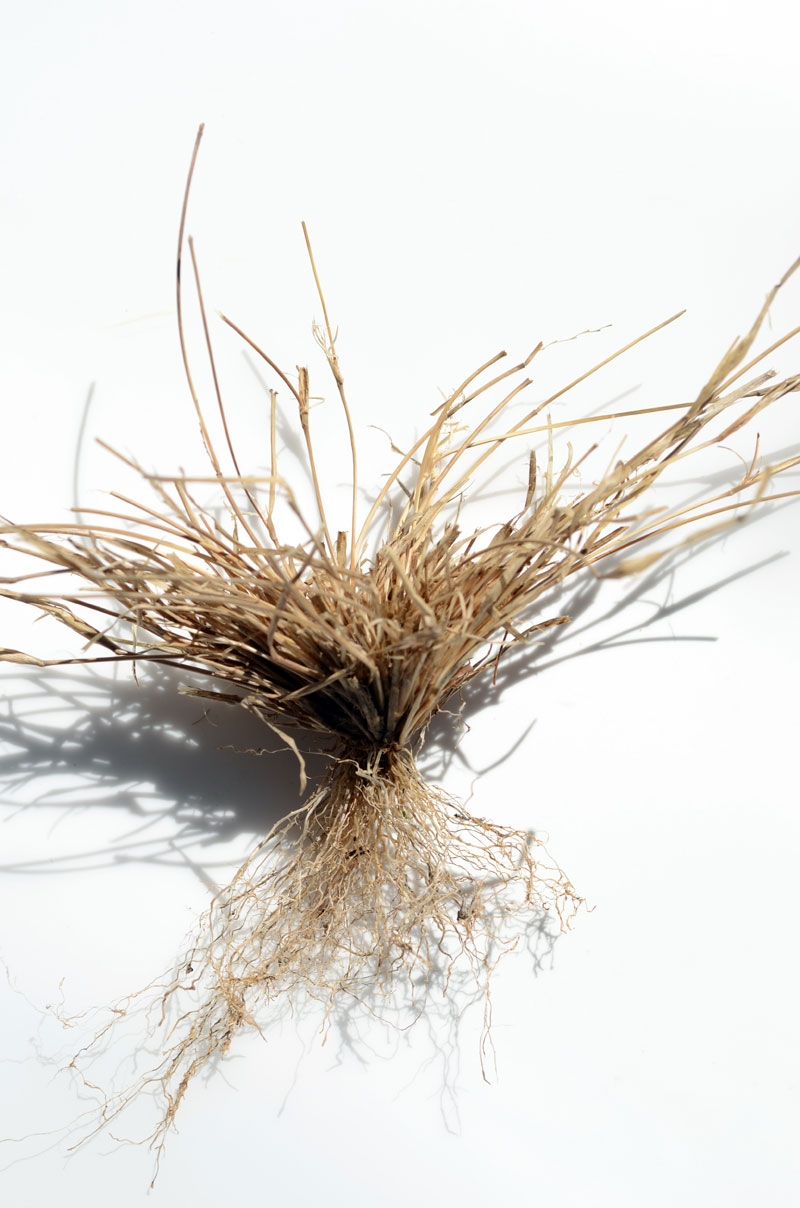


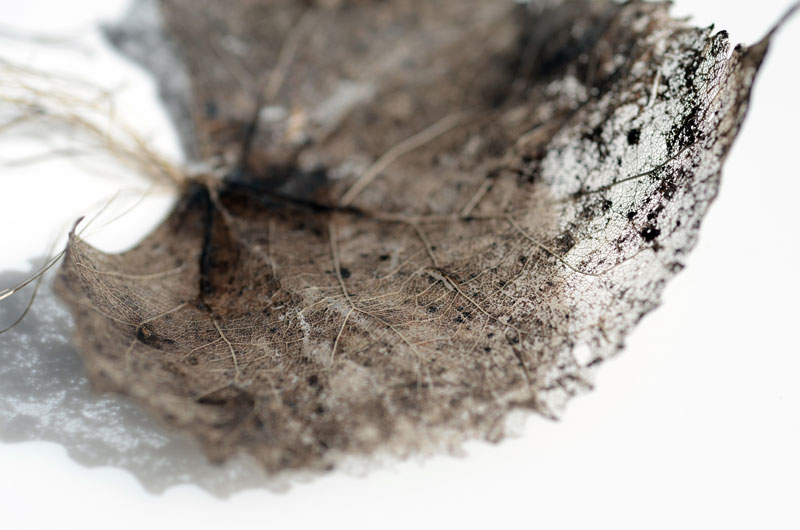
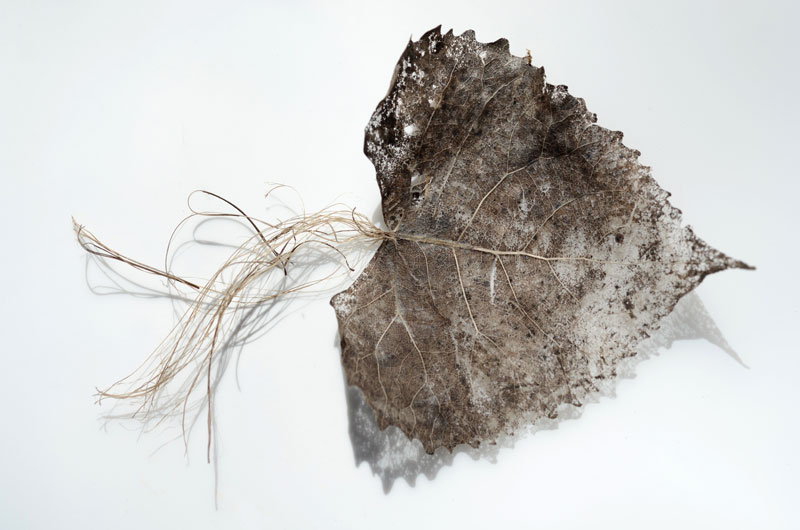
All images © Karen McRae
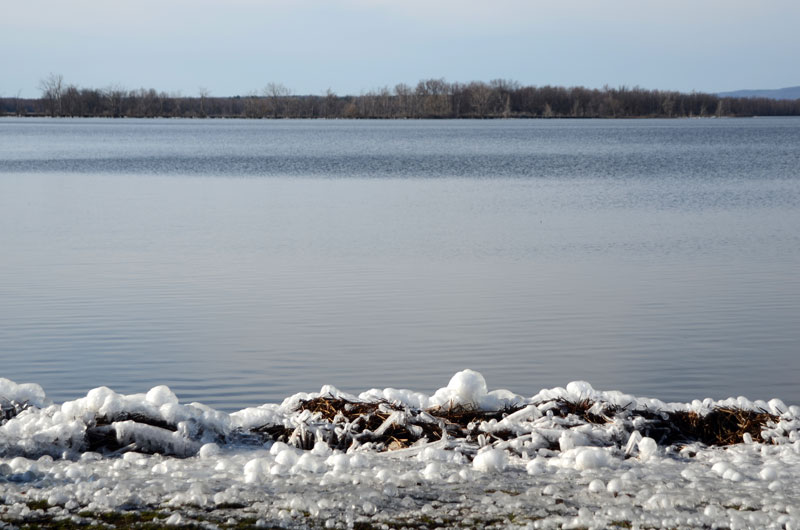 Our temporary “summer” has been replaced by more normal seasonal temperatures.
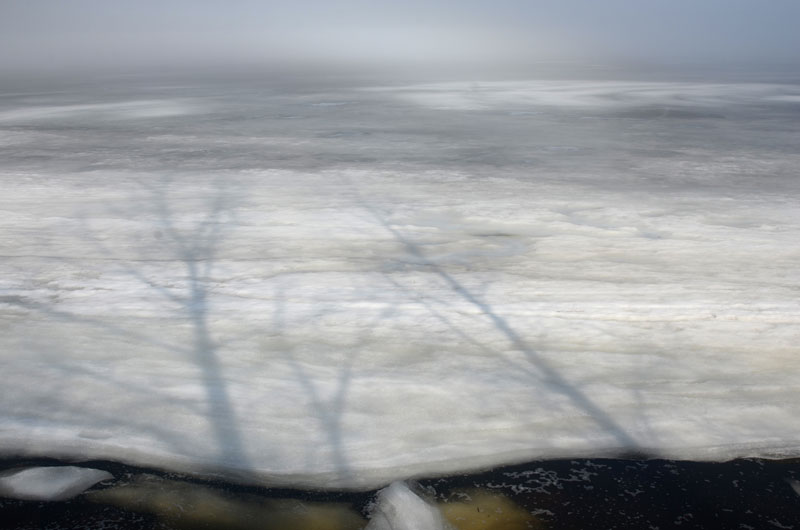
A windy breath of -10° c overnight drove the waves and spray up on to the sloped shore of this bay resulting in a strange and magical landscape when I came upon it yesterday. Not that long ago the ice fishing huts resided in this wide bay.
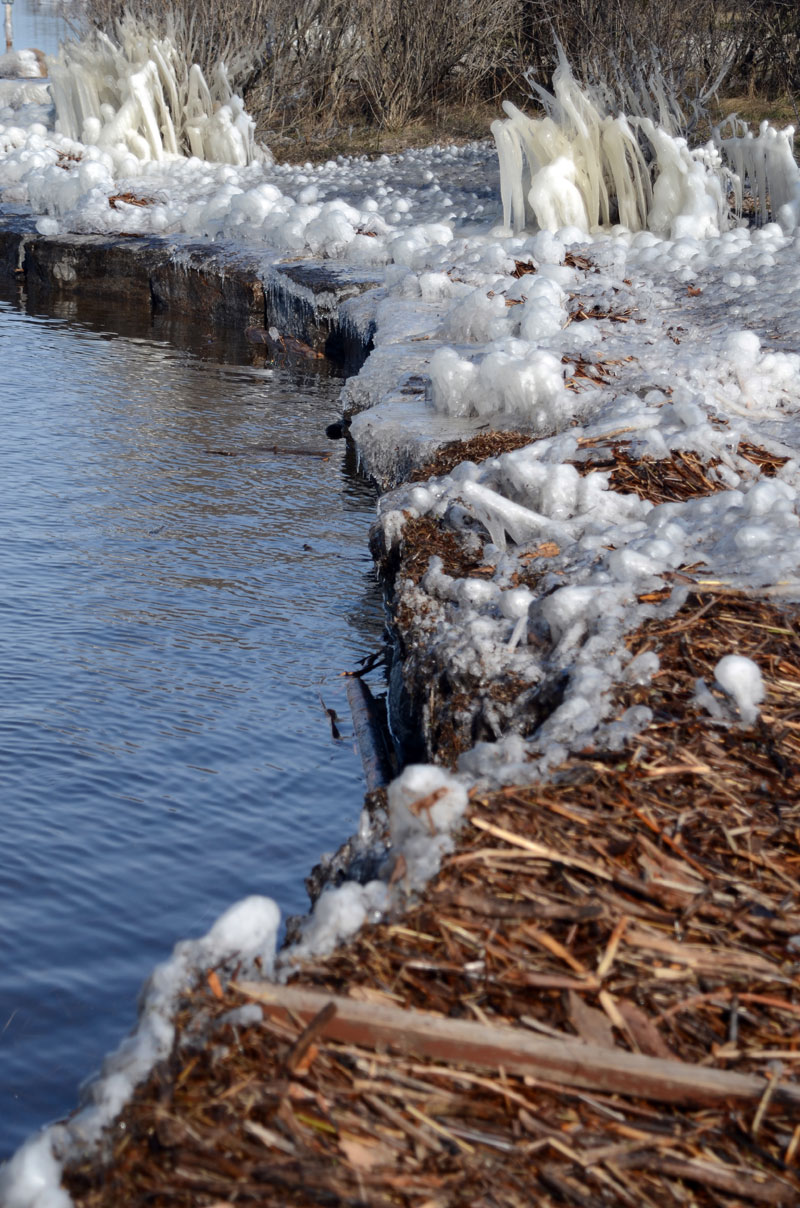
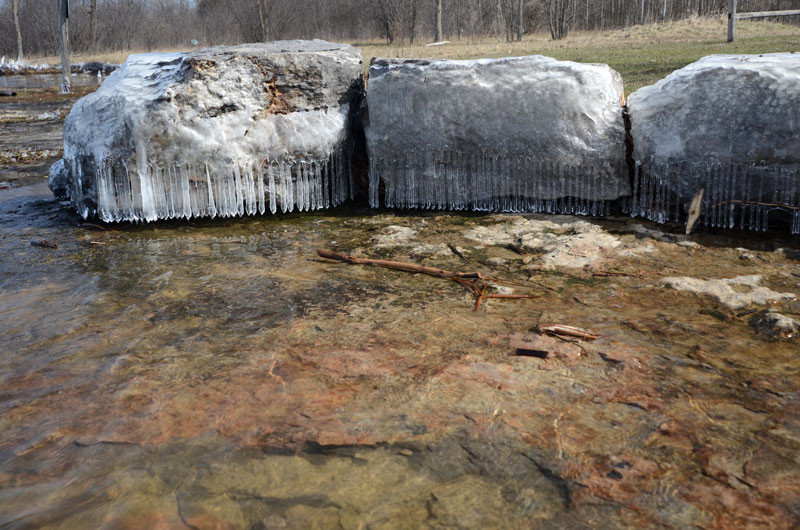 The perfectly ice-upholstered and fringed rocks along the shore.
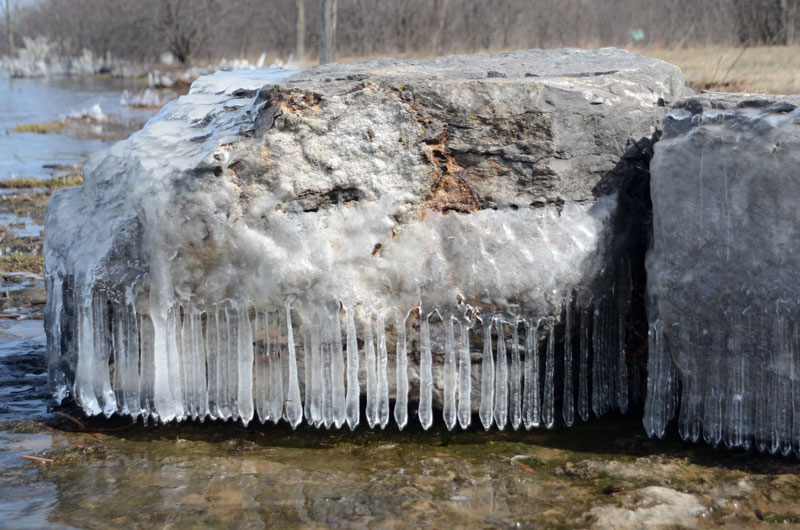

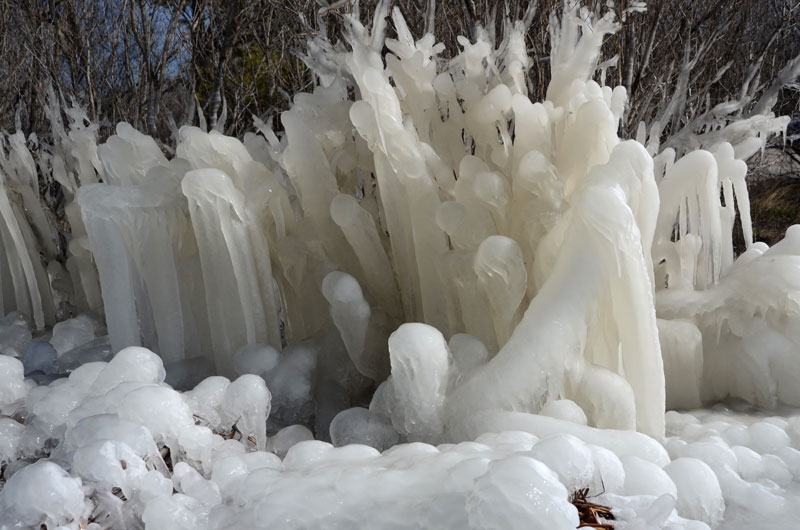
Surreal spaces…
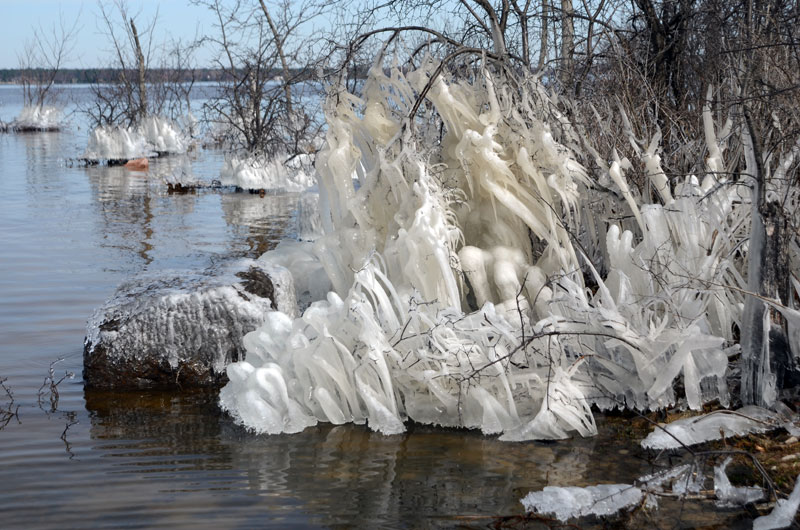

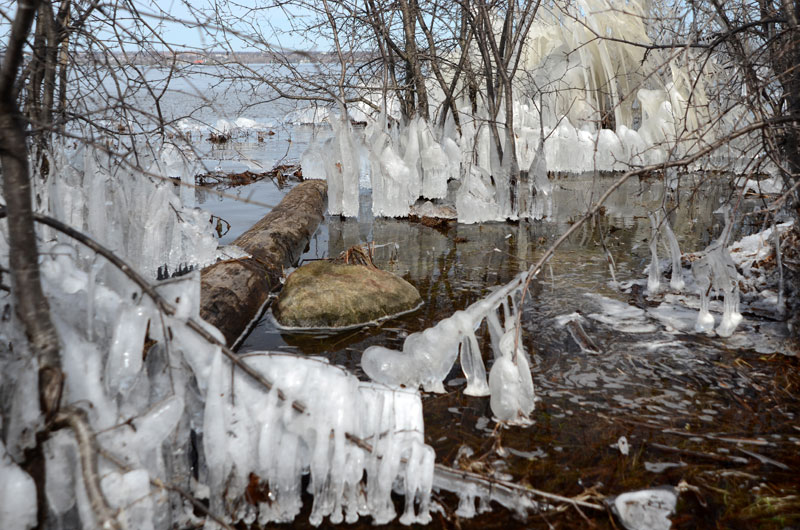

Although this place is quite removed from the city and looks idyllic and peaceful there is a strange juxtaposition of bird song and intermittent rapid gunfire from the nearby rifle range. It all feels rather surreal as I wade through the water in high rubber boots; a strange shore bird among chandelier skirted trees.
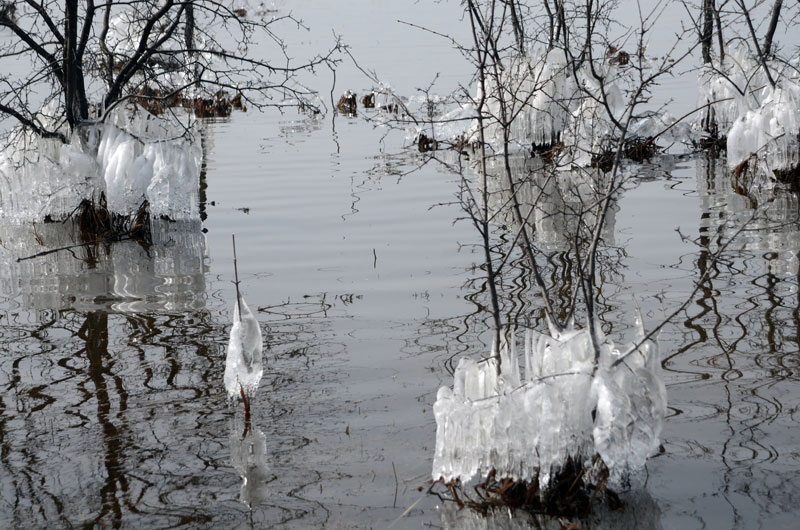
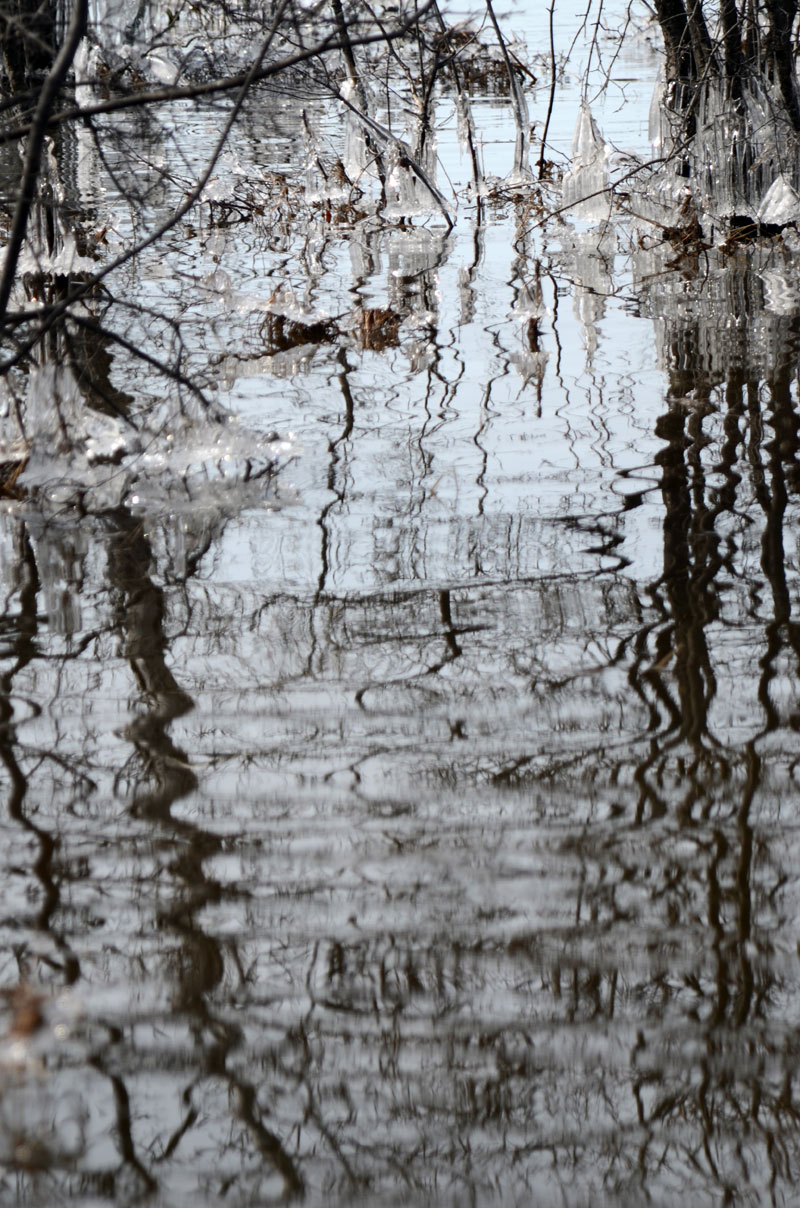
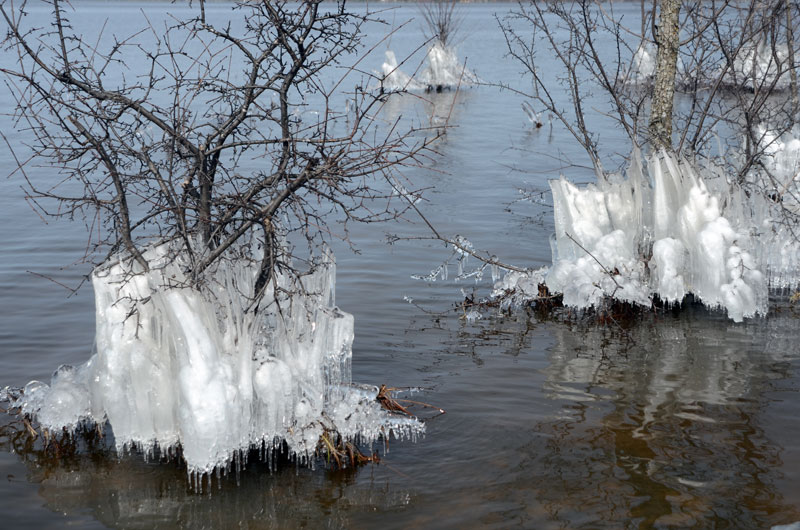
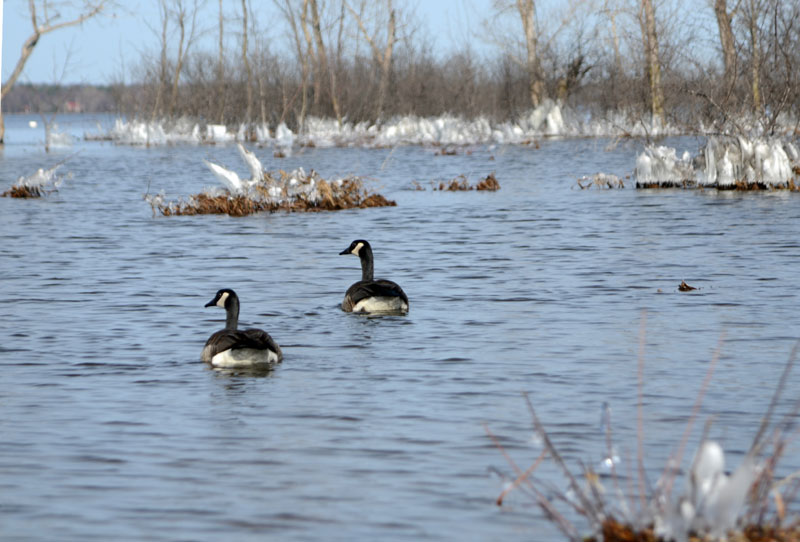 Shirley’s Bay, Ottawa River
All images © Karen McRae
 I have photographed this freshwater mussel shell every way I could think of to bring out the pure beauty of the subtle pearly colour shifts and the worn layers, but until you pull it out of the shallow icy water at the shore and hold it in your hand under a luminously overcast sky you won’t be able to see just how exquisite it really is.
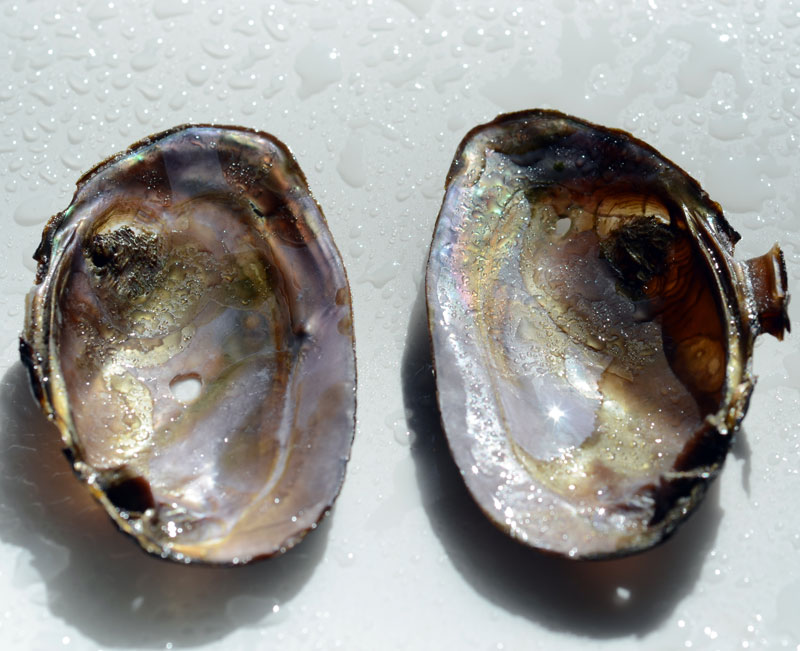


A good-sized bird skull, I don’t know what kind it is. Perhaps the size of a seagull. Found along one of the breakwaters, over wintered and broken beaked.
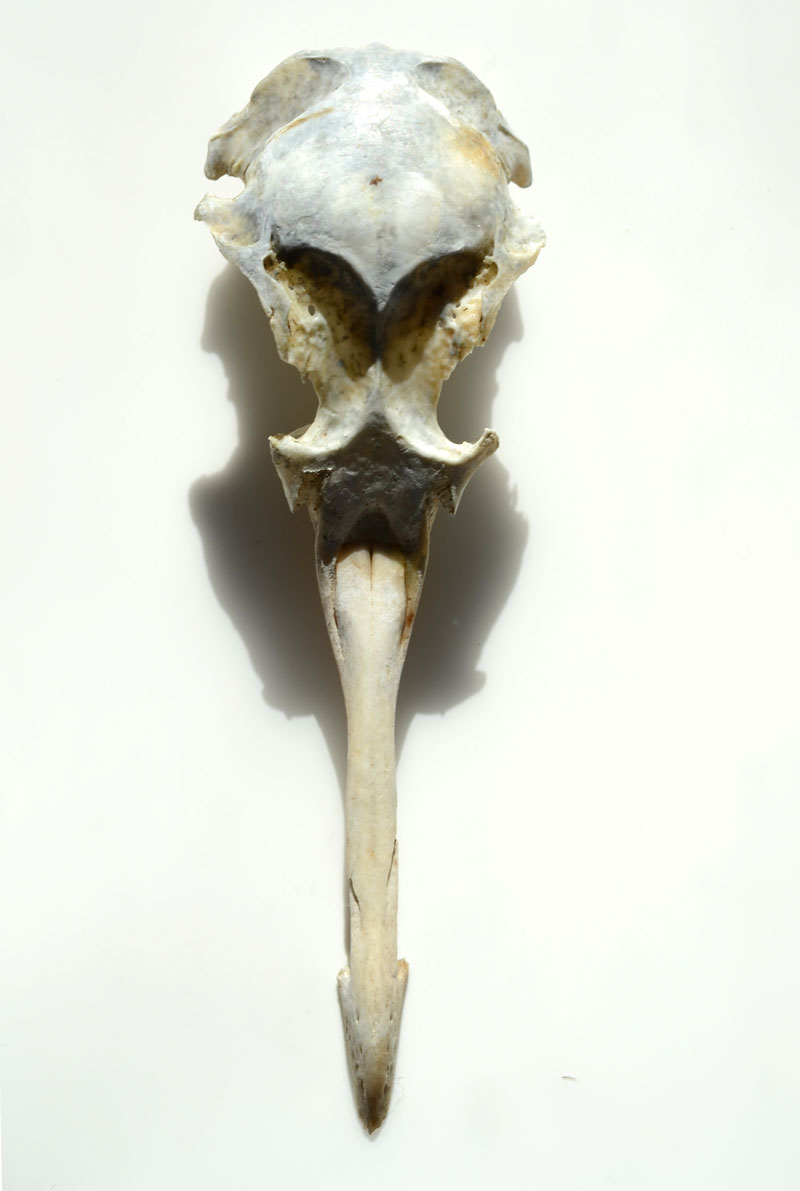
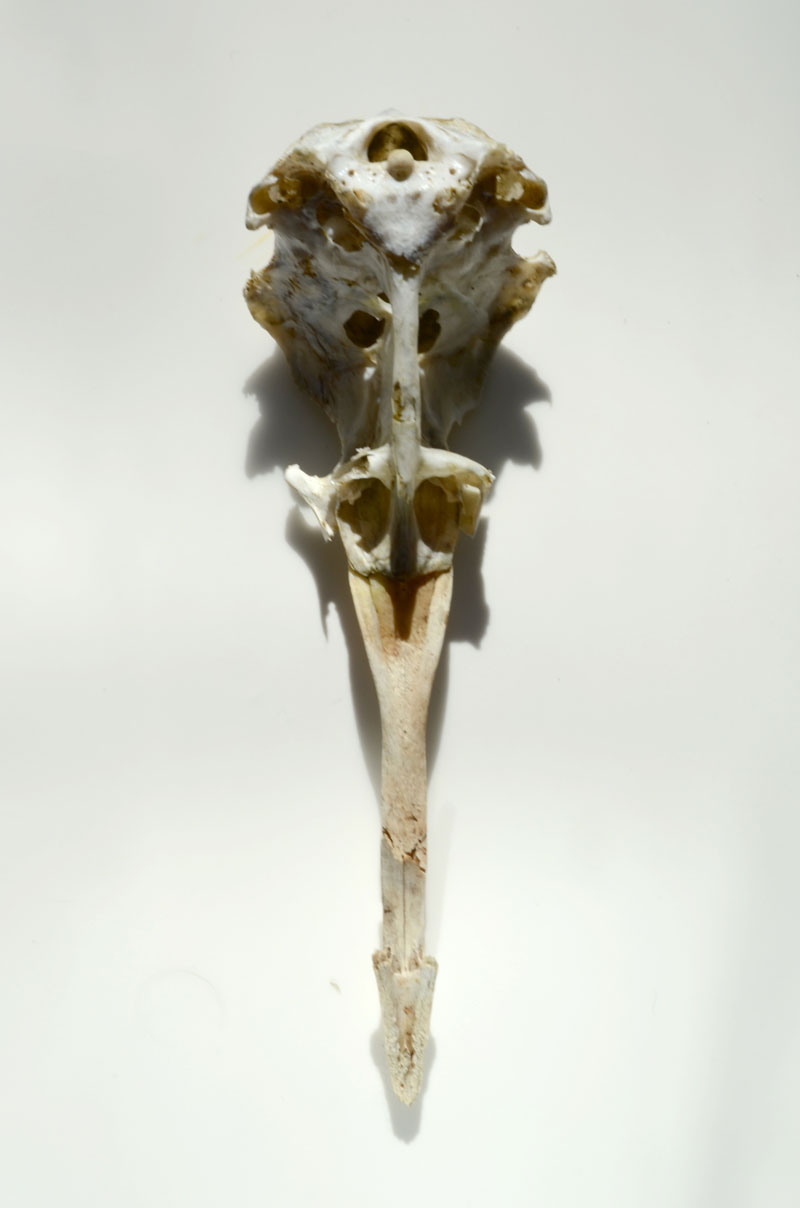


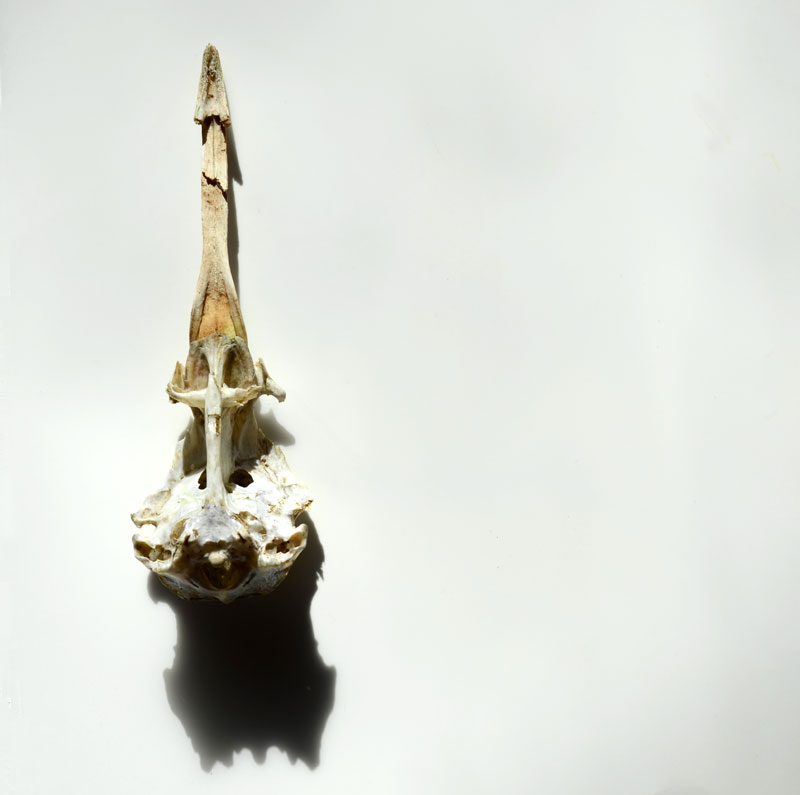
All images © Karen McRae

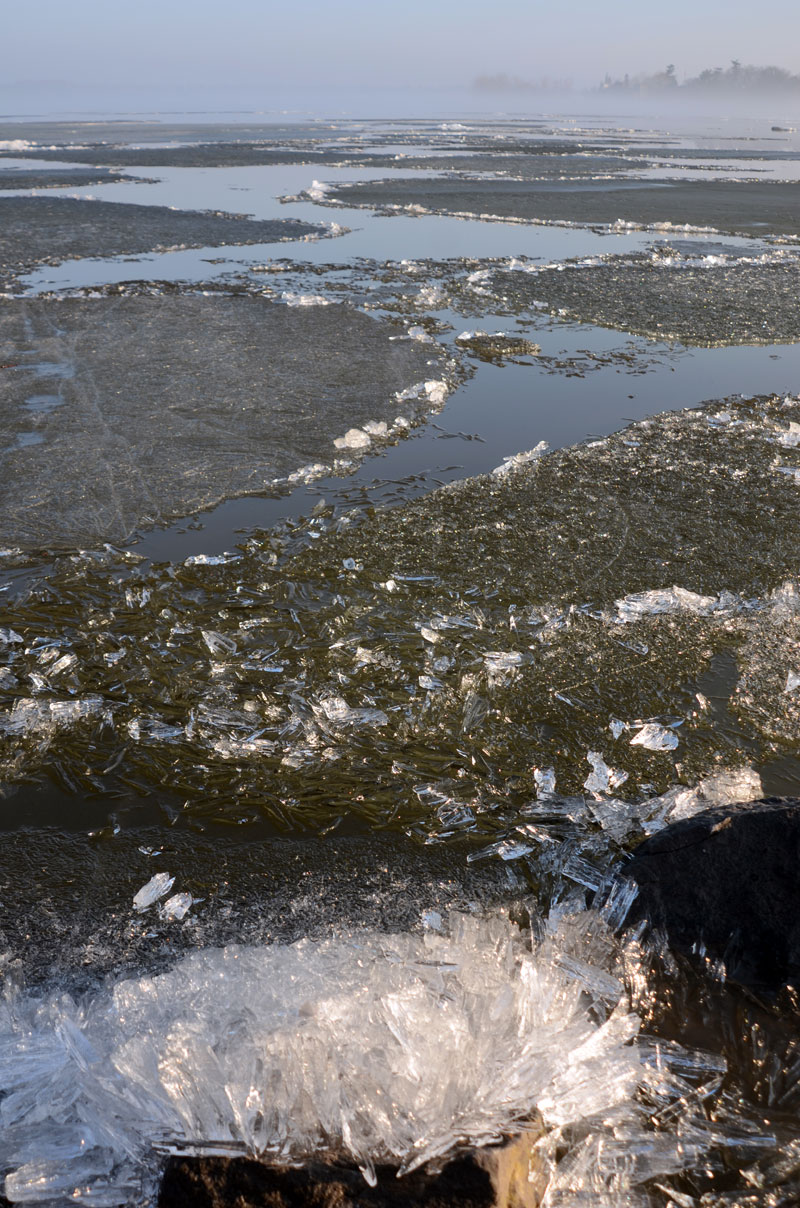
 This is what it looks like walking out to the breakwater. A still quiet morning with the only sounds being a gentle hum of the slightly removed city and the many birds. Misty water and muted colours.
As you walk further out to the boulders another quiet sound becomes apparent. The sound of what is left of the ice gently coming apart as it sways onto the rocky edge of the breakwater. A scattering of pops and cracks. It has turned into candle ice, columns of ice perpendicular to the surface of the water that easily break apart from each other. There is some pushed onto the shoreline and I pick it up and listen to it fall back into the water and onto the rocks. A sound like tinkling glass. A sound, I think to myself, that will not last the day.
The last few sheets of ice are melting quickly in the warmth and moving slowly towards the rapids just downstream. It has been a quick melt.


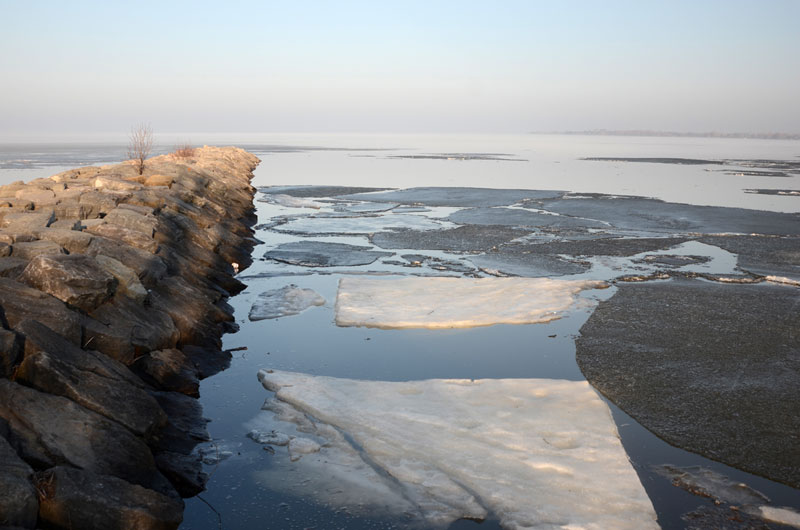 I am standing on the large limestone boulders that make up the breakwater. In stark contrast to the fleeting ice they are ancient and enduring. They are also generously scattered with visible fossils. Fossils that are of Ordovician origin, which makes them somewhere around 450 million years old!
I only know this because I have had a collaborator for this post. Paleontologist Graham Young and author of the excellent blog Ancient Shore very kindly identified the fossils I photographed along the breakwater. Graham is Curator of Geology and Paleontology at the Manitoba Museum in Winnipeg.
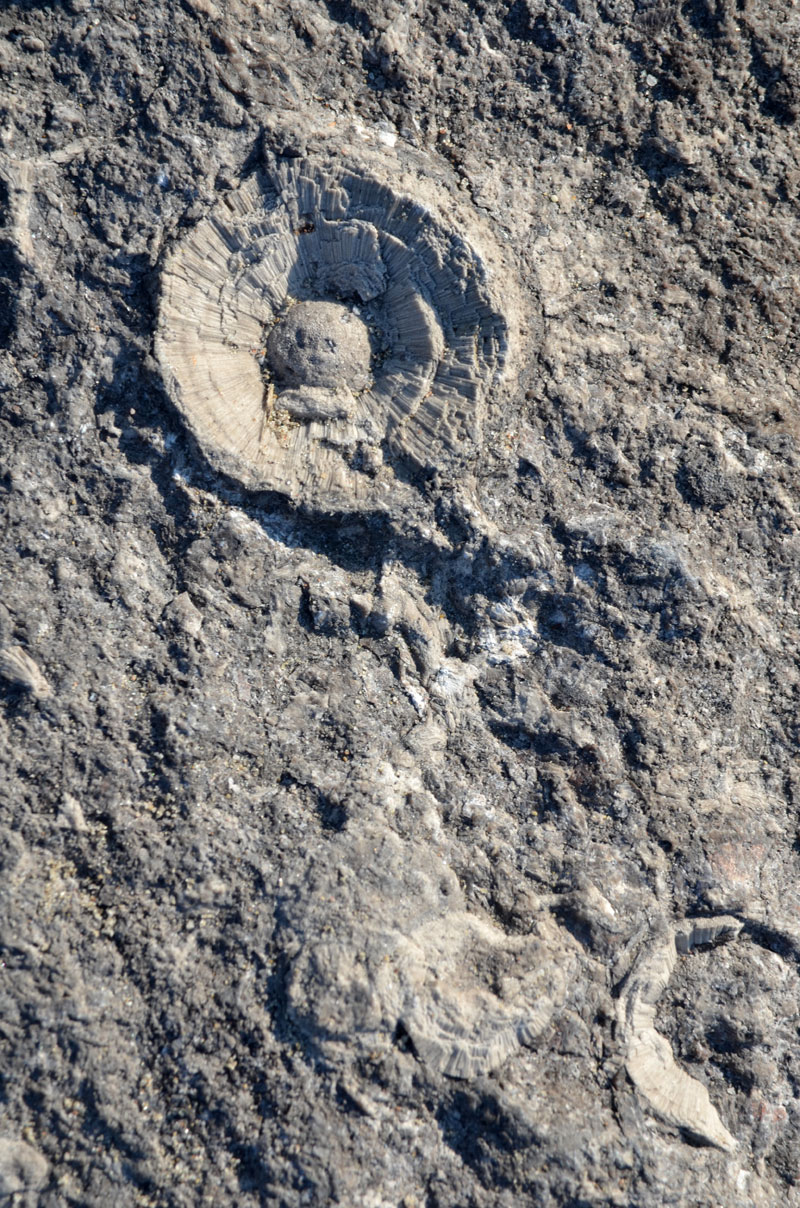 These appear to be rounded bryozoan colonies that have been broken open. Bryozoans are aquatic invertebrate animals that live on the seafloor.
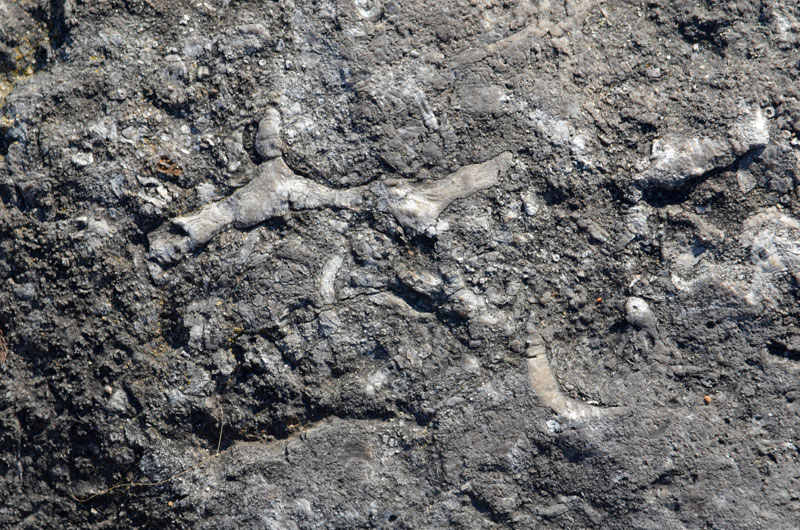 Branching bryozoans are mixed up with a lot of other debris, including echinoderm stem segments, probably from crinoids or sea lilies (these are the little donut-shaped fossils)
 The shells are rhynchonelliformean brachiopods (lamp shells)
 More bryozoans, again in a bed of mixed fossil debris.
 I’m not sure about this circular structure; it is probably a badly preserved bryozoan.
 These appear to be burrow structures (trace fossils), which stand out because they are better cemented than the surrounding muddy material. They would have formed as burrows in the seafloor, perhaps made by arthropods.
 A large batch of bryozoans. These are very neat because they have been “nested” together, possibly as a result of movement by currents after death.
 A large straight cephalopod, related to the chambered nautilus. Imagine a nautilus that has its shell stretched out, rather than coiled.
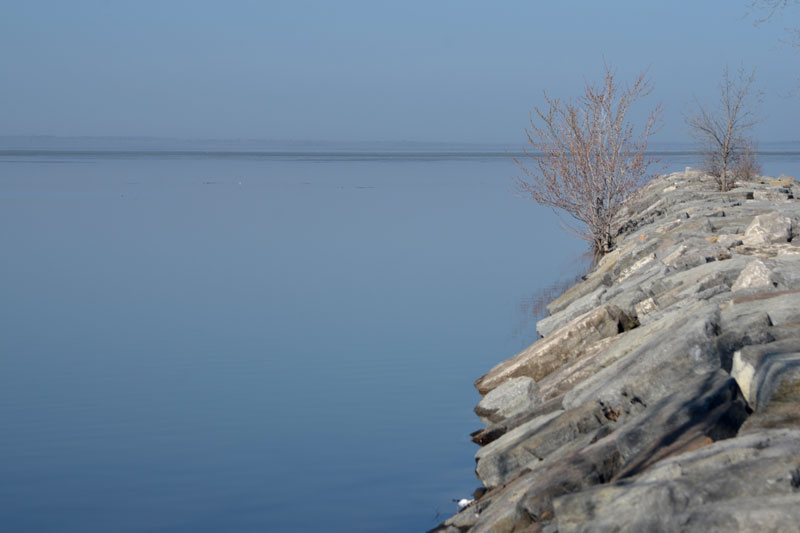 A glance back.
* Fossil descriptions by Graham Young with some editing by me.
Thank you Graham!
www.ancientshore.com
All images © Karen McRae
I will be moving to land soon. I’m starting on a new project that is very land based.
But like anything that is land based it flows back to the rivers, lakes and oceans in some way. Connections.
I was thinking about this as I was walking along the shoreline early this morning, garbage bag in one hand and a delicate bird skull in the other. It is rare that I don’t pick something up, even if it’s just to examine it. After 3 hrs I had a full bag of garbage and remembered I hadn’t had breakfast yet. Priorities.
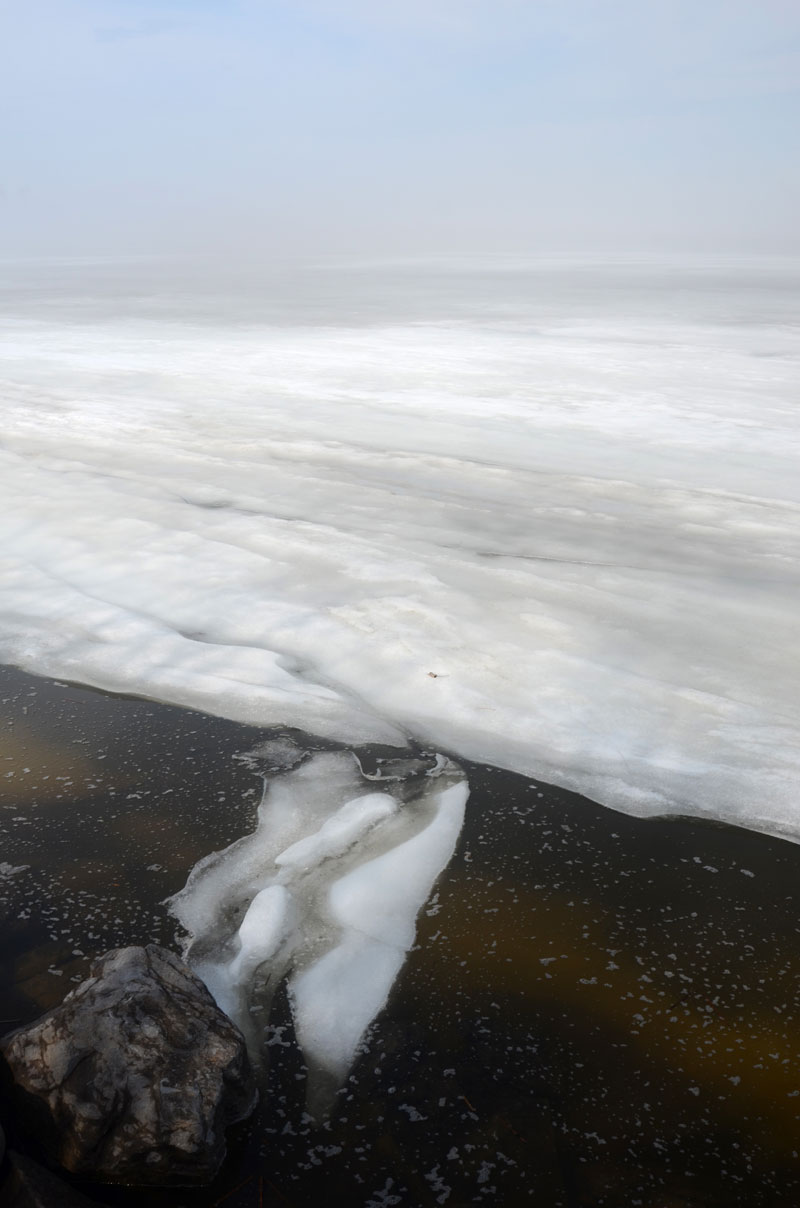
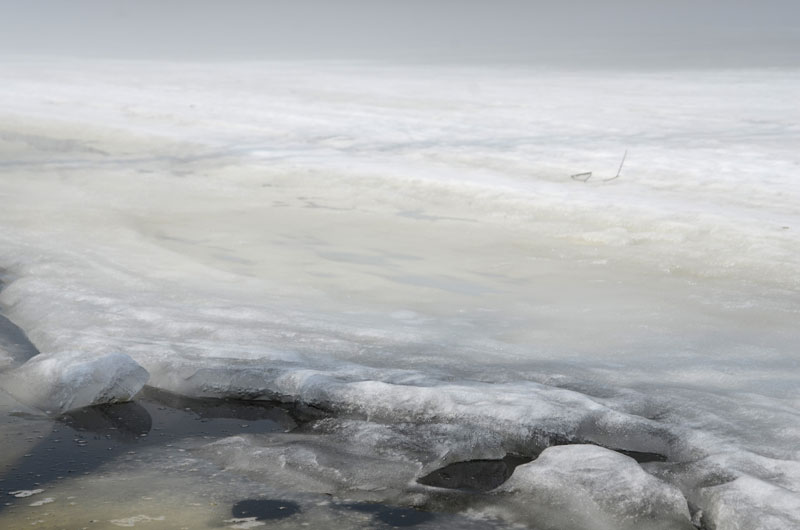
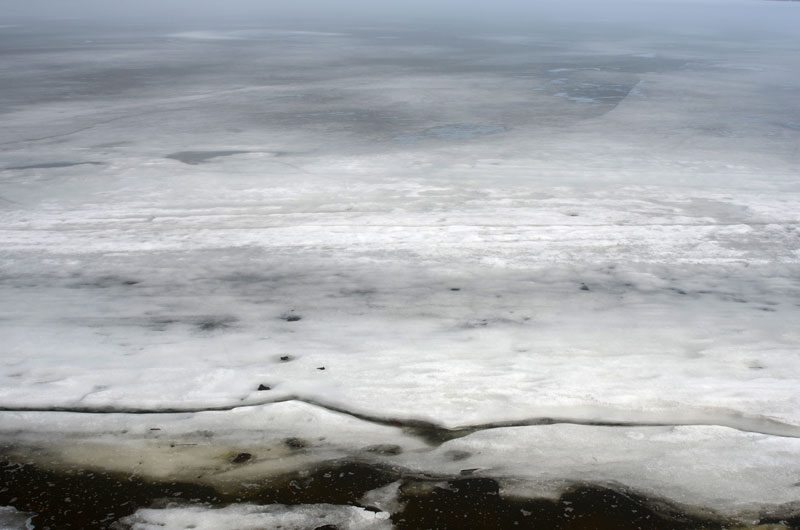
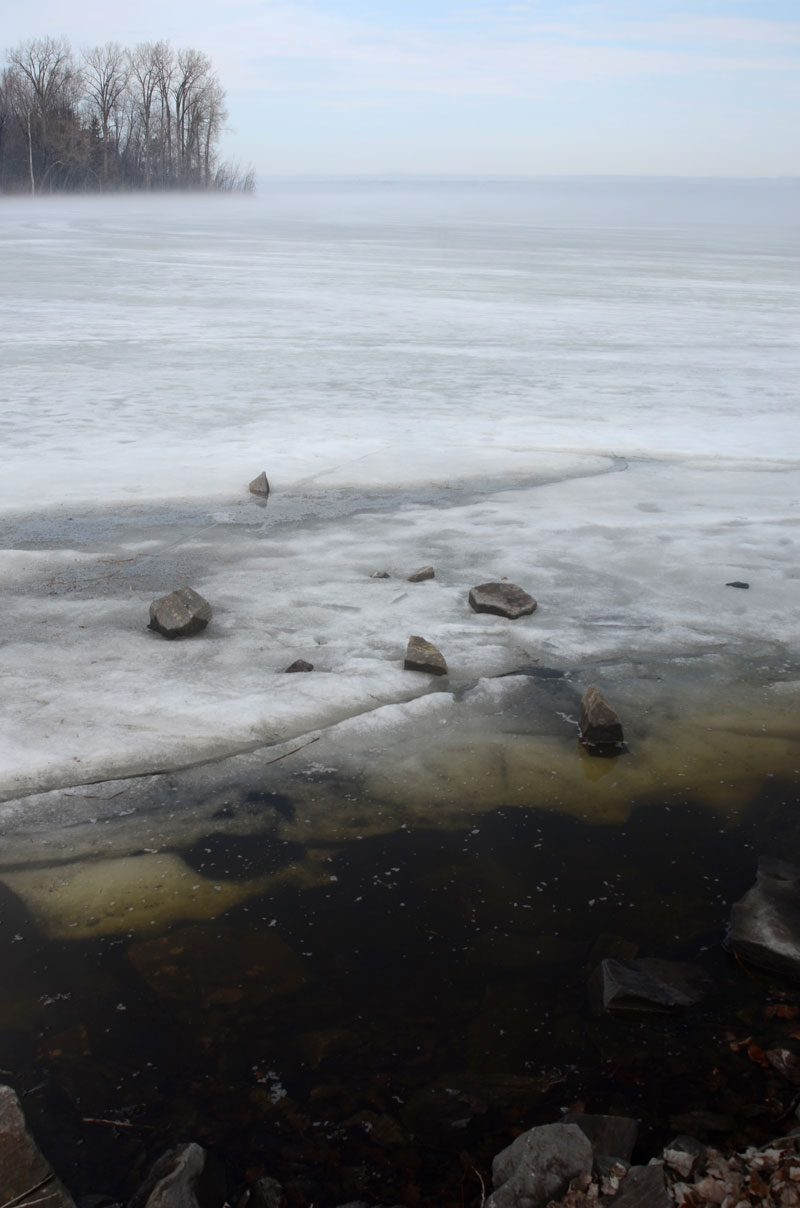
It is the first day of spring but it is like we have skipped spring and moved directly into summer. We are entering our 3rd day of +25° c and the next 2 days are to be the same. It feels very strange, in the same way that it was odd when the robins stayed all this past winter. Like they knew what was ahead. Nature adapts so quickly and responds so intuitively. Instinct.
I’m still on river time, but things are flowing gently and the fog is burning off.

All images © Karen McRae
 draw and shoot