A Small Gathering

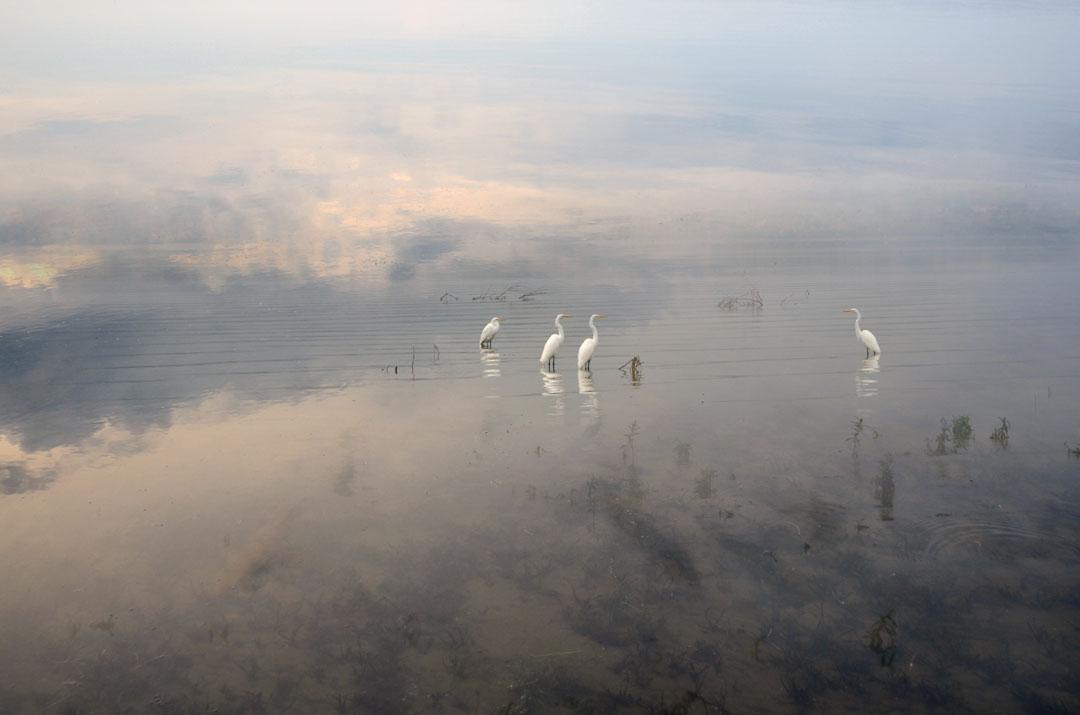
A-Gathering-_-EgretsI made several photographs of these Great Egrets quite a while ago but I never felt like the images really expressed the extraordinary experience of being with these graceful creatures. I say ‘being with’ because I was standing in the water not too far from them – there was no long lens in my camera bag that day so I was pushing my luck.

Anyway, I have played with this image a little, adding a layer of … recollection, I guess. This what it feels like to wade with the egrets.

© Karen McRae, 2013

September Songs 2

SeptemberSong6

SeptemberSong9

SeptemberSong4

SeptemberSong_the-Rains

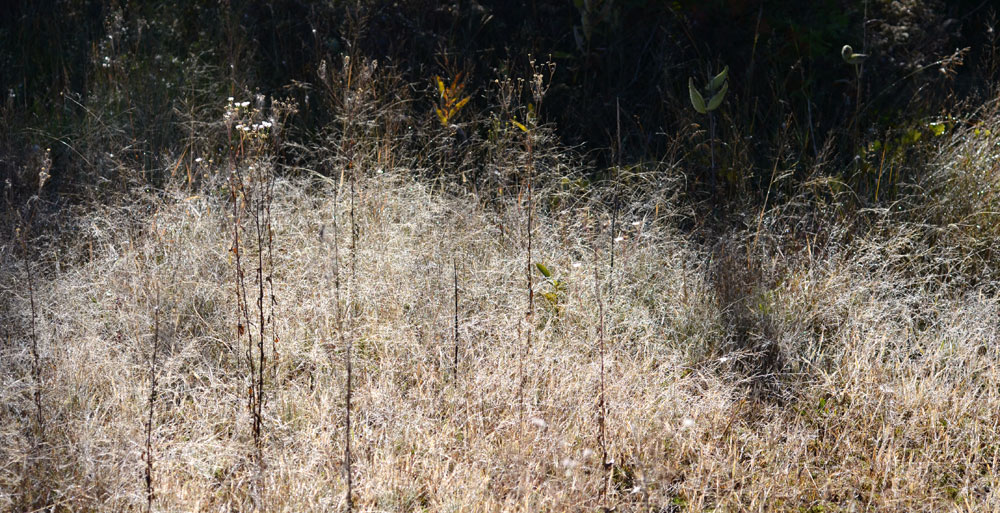
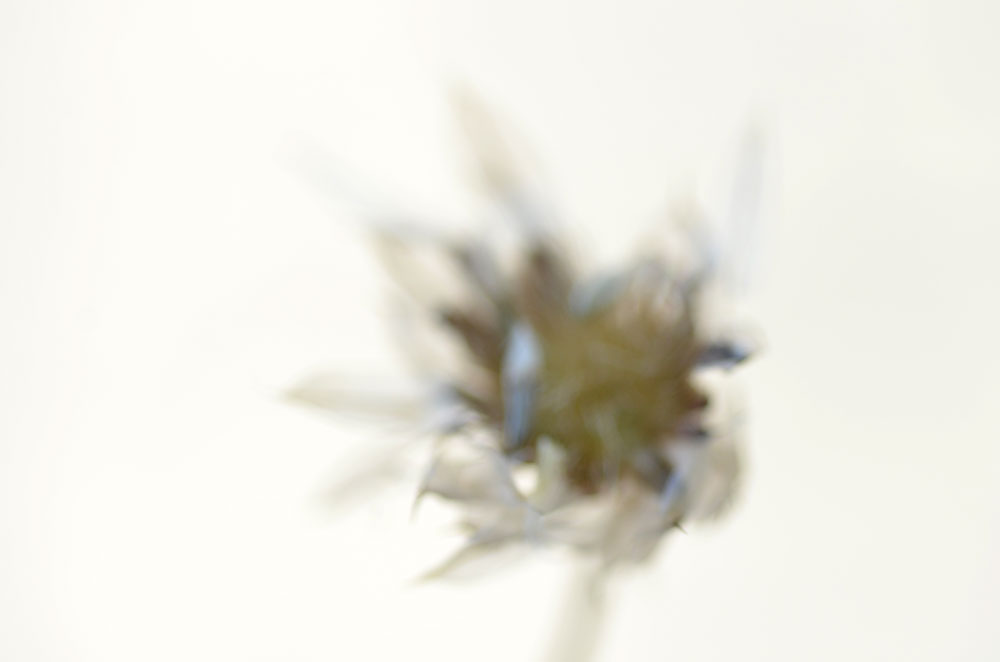
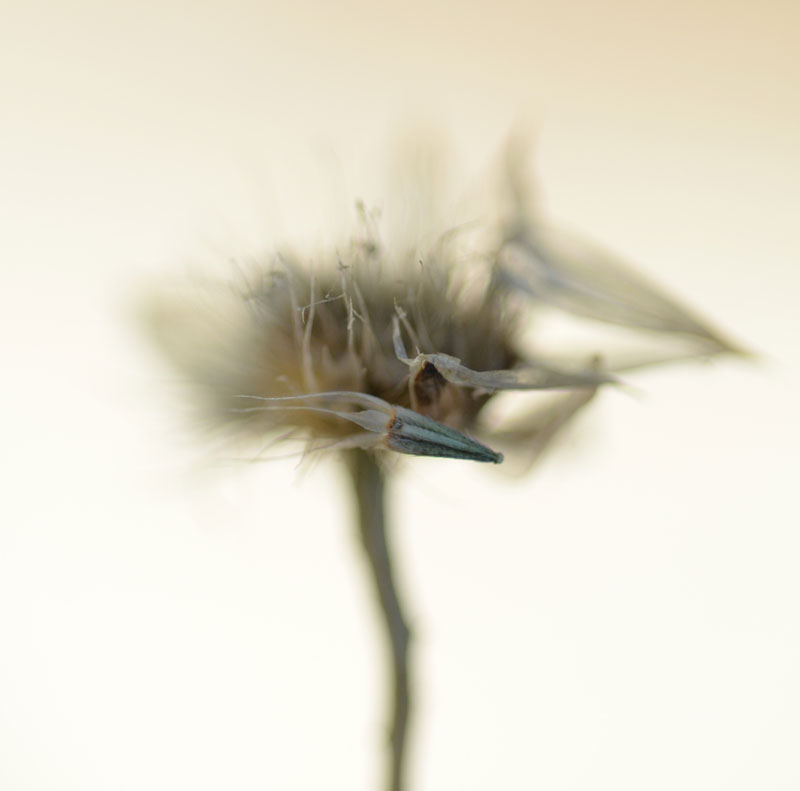
SeptemberSong5Photographs of the seedheads of Lactuca Canadensis (which sounds slightly more elegant than Canada lettuce). These wild plants are not particularly beautiful at first glance, but as with many things, there is often beauty to be found in the details.

SeptemberSong7One of these things is not like the others – a layer of raindrops has been added to one image – at this moment I can hear the last day of summer being washed away by the autumn rains.

© Karen McRae, 2013

Another Monochromatic Gelatinous Post

( So, I’m having trouble coming up with titles … )

This is the third entry (perhaps the last, for now) in a series of sea jelly photographs I’m exploring in black and white. I started looking at their forms for some drawings and found them interesting presented in monochrome.

All of the sea jellies pictured here are Ctenophores (comb jellies). Ctenophores are classified differently from ‘true’ jellies because of their combs – rows of hair-like cilia that are used for swimming and also catching/consuming food (The actual cilia are not really observable in these photographs).

The images above are studies of just one comb jelly – perhaps Mnemiopsis leidyias or Bolinopsis infundibulum (they are difficult to tell apart). When this jelly was not moving it became rather formless-looking and alien-like, especially under these particular lighting circumstances. With different lighting (and in colour!) you may be able to see that this jelly is bio-luminescent.
 

_____

 
The second gallery of images  (with the exception of the last two) are a series of Pleurobrachia (Sea Gooseberries). You can see how they may have picked up the nickname of sea gooseberries.

The two tiny comb jellies at the end are Beroe Ctenophores. The beroe ctenophores have no tentacles and capture food through opening and closing their mouths.


[These photographs of Atlantic sea jellies were made in Cape Breton in the spring of 2012]

 
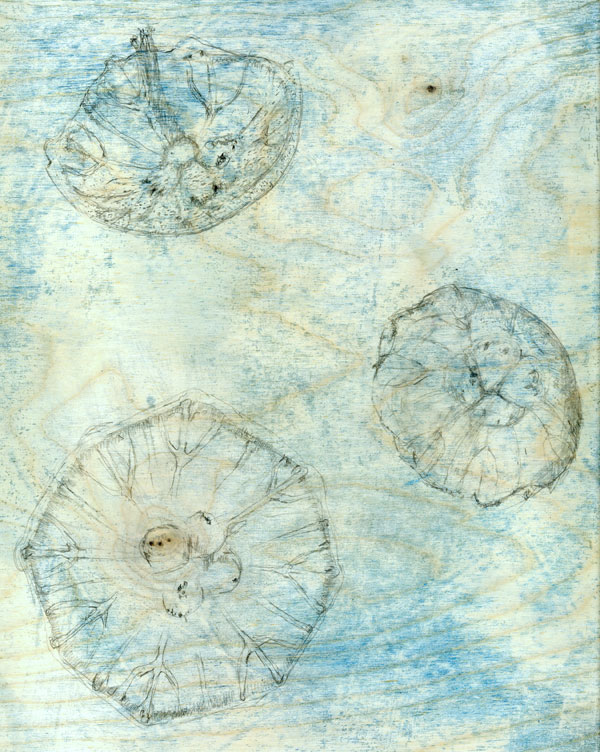
Moon-Jellies_UnderdrawingTo add a bit of colour – quick sketches of moon jellies on board (an ‘under-drawing’ before a layer of Mylar is applied).

© Karen McRae, 2013

More Sketches from the Sea

(Sketched by a camera.) The gallery of images above are a series of macro photographs of a small juvenile Moon jelly from the genus Aurelia. As I mentioned in the previous post I am revisiting some older sea jelly images and shifting them to black and white because I like how the details and forms are emphasized without the distraction of colour.
(Click on the images to enlarge)

The series of images below are possibly young and very small Pelagia noctiluca jellyfish (mauve stingers). You may notice a little amphipod ‘riding’ on one of them! Apparently many amphipods  have symbiotic or parasitic relationships with  gelatinous animals such as jellyfish. I’m not sure what’s going on here – perhaps public transportation – but if you take a look at this not very good video I have posted here you’ll get more of an idea.

[These photographs of Atlantic sea jellies were made in Cape Breton in the spring of 2012]

© Karen McRae, 2013

Late Summer Seedheads

LateSummerSeedheads1

LateSummerSeedheads6

LateSummerSeedheads3

LateSummerSeedheads2

LateSummerSeedheads4The weather is shifting already and last night we had frost. It seems far too soon(!), but anyway, the flora is shifting with the temperatures, too.

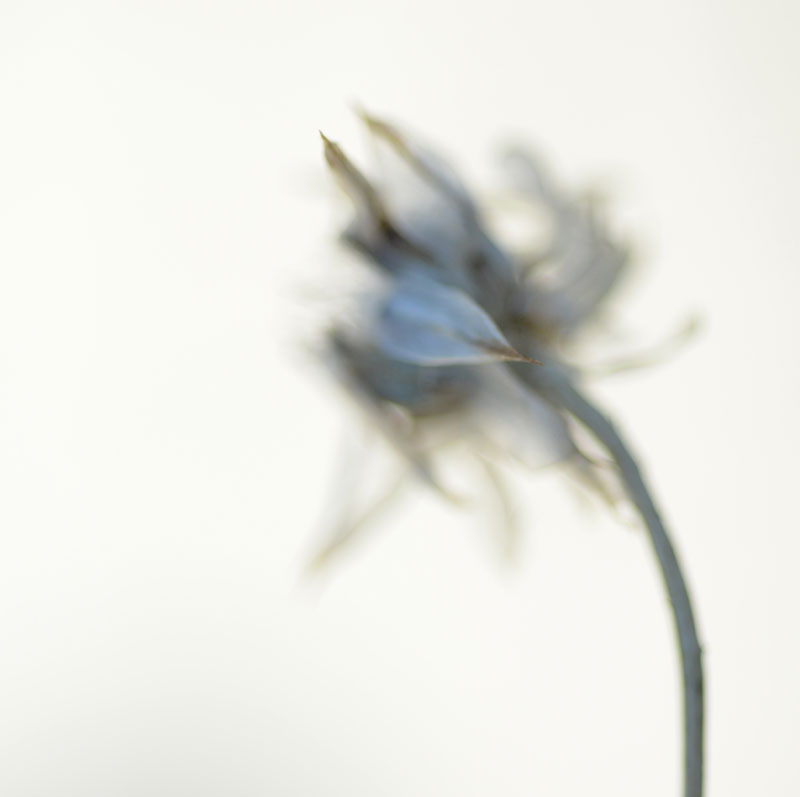
I’ve been photographing these particular type of seedheads from my garden for over a year, through all the seasons (I don’t know what they are called). I can’t seem to make interesting photographs of them when they are still blooming, though. These are just some of the small remnants of summer, each one about the size of my thumbnail. I might try again while there are still a few blossoms left but it seems to be the transforming seedheads that my camera loves.

There are always new shapes and colours developing as the seasons change so I always find them interesting to photograph. I like how the tiny ‘tentacled’ seed forms look a bit squid-like in these images.

Many previously posted images of these (and other) seedheads can be found here.

© Karen McRae, 2013

How Does One Creative Process Shape Another?

The-Trees-Have-Hooves2

WaterRooted2

I was poking through archives, thinking about a particular painting I’m working on and looking for a visual reference. Texture, colour, form … Perhaps I over-think these things … In any case, I found a bit of spring, and a bit of autumn. If you put them together it seems you don’t get summer. But anyway, it is these earthy tones that draw me in.

I remember walking among these young trees in the early spring, the water high, and the thin trunks appearing like lanky hoofed legs wading in a river mangrove. Their reflections moving like a deep gentle breath. What sort of creatures would be attached to these spindly legs?

Of course, there is no such thing as a mangrove here, but if there was, it would be in this place where the trees are living on the edge rooted in both water and land.

Like the shifting seasons – one foot here, the other stepping towards the next. Tentatively. So far.
WaterRooted3As I write this there is classical music (mostly strings) playing in the background. Would my text be shaped differently if I had been listening to another sort of music? Would I have chosen different words or remembered these experiences the same way?
How does one creative process (in this case, listening) shape another?

[These images are layered photographs, made with equal parts of spring and fall]

© Karen McRae, 2013

The Yellow Canoe

The-Yellow-Canoe2A few days and memories stacked on top of each other

I’ve been away on another canoe trip. A bit different from the last one as this adventure involved whitewater. I’d never done a paddling trip like this before on a long winding river with many, many rapids. I spent a fair amount of time grinning while we paddled 65km of that river. I confess, though, there were times I was a bit nervous. Things can go wrong in a hurry. Mostly they don’t.

The yellow canoe is not the one I traveled in (we were 5 canoes in total) but it is the most storied. It has seen many rivers and has touched many rocks. It has some wisdom the other canoes do not. It also has more scars. If you are the older and wiser vessel you will know to carry a roll of Gorilla Tape in your hull. You will know that same tape might be the thing that gets you home in the end.

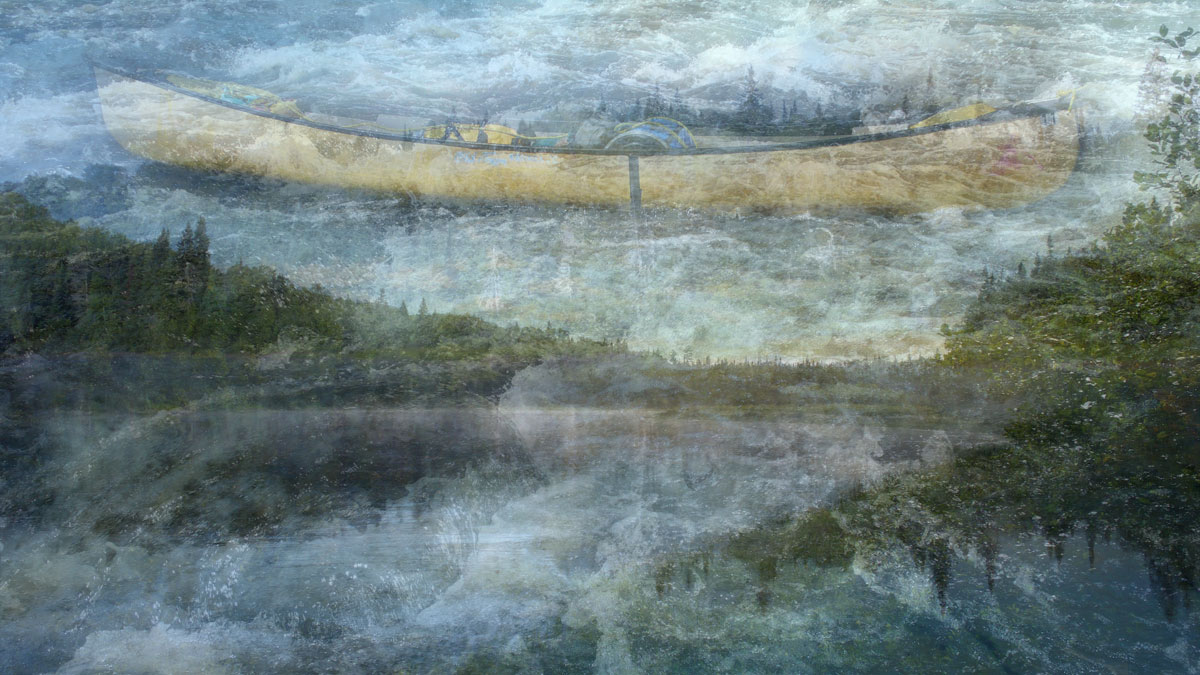
This image is 4 layered photographs. Each layer expresses a different aspect of the trip; The flat water, the landscape, the whitewater, and the fearless yellow canoe. The vertical dark stripe on the canoe interrupts the image, but it belongs there. It is a bandaged scar. The other side sports a similar scar in the horizontal. The yellow canoe was on its last trek.

(These merged images were made during a 4 day camping/canoe trip on the Rivière du Lièvre in beautiful Quebec.)

© Karen McRae, 2013