Another Monochromatic Gelatinous Post

( So, I’m having trouble coming up with titles … )

This is the third entry (perhaps the last, for now) in a series of sea jelly photographs I’m exploring in black and white. I started looking at their forms for some drawings and found them interesting presented in monochrome.

All of the sea jellies pictured here are Ctenophores (comb jellies). Ctenophores are classified differently from ‘true’ jellies because of their combs – rows of hair-like cilia that are used for swimming and also catching/consuming food (The actual cilia are not really observable in these photographs).

The images above are studies of just one comb jelly – perhaps Mnemiopsis leidyias or Bolinopsis infundibulum (they are difficult to tell apart). When this jelly was not moving it became rather formless-looking and alien-like, especially under these particular lighting circumstances. With different lighting (and in colour!) you may be able to see that this jelly is bio-luminescent.
 

_____

 
The second gallery of images  (with the exception of the last two) are a series of Pleurobrachia (Sea Gooseberries). You can see how they may have picked up the nickname of sea gooseberries.

The two tiny comb jellies at the end are Beroe Ctenophores. The beroe ctenophores have no tentacles and capture food through opening and closing their mouths.


[These photographs of Atlantic sea jellies were made in Cape Breton in the spring of 2012]
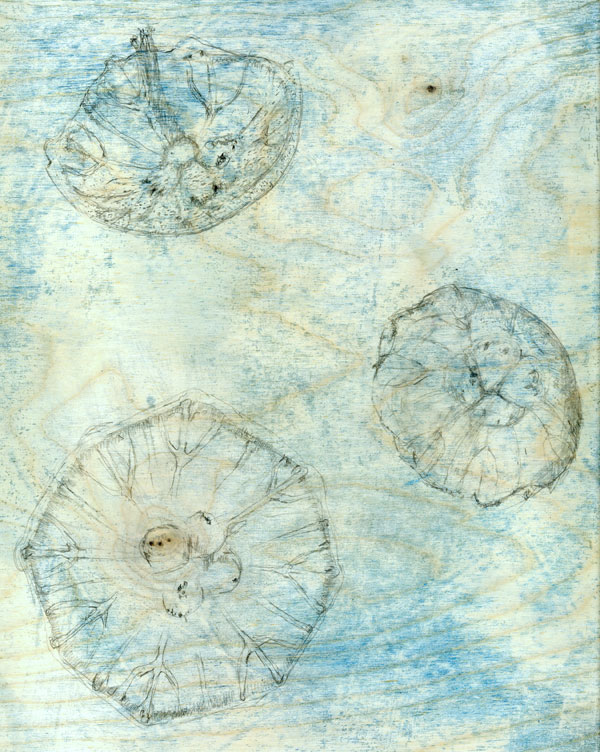
 
Moon-Jellies_UnderdrawingTo add a bit of colour – quick sketches of moon jellies on board (an ‘under-drawing’ before a layer of Mylar is applied).

© Karen McRae, 2013

More Sketches from the Sea

(Sketched by a camera.) The gallery of images above are a series of macro photographs of a small juvenile Moon jelly from the genus Aurelia. As I mentioned in the previous post I am revisiting some older sea jelly images and shifting them to black and white because I like how the details and forms are emphasized without the distraction of colour.
(Click on the images to enlarge)

The series of images below are possibly young and very small Pelagia noctiluca jellyfish (mauve stingers). You may notice a little amphipod ‘riding’ on one of them! Apparently many amphipods  have symbiotic or parasitic relationships with  gelatinous animals such as jellyfish. I’m not sure what’s going on here – perhaps public transportation – but if you take a look at this not very good video I have posted here you’ll get more of an idea.

[These photographs of Atlantic sea jellies were made in Cape Breton in the spring of 2012]

© Karen McRae, 2013

Whispers from the Sea: Aglantha


I have many photographs of tiny sea jellies that I’ve been meaning to post. Simple studies of their beautiful forms and details. I find converting them to black and white  emphasizes these details nicely and I like the way they almost look like drawings here. (Some of them are indeed working their way into drawings.)

This first set is Hydromedusae Aglantha. The jellyfish pictured here is only about 1cm long. If you look closely you will notice the tentacles are mostly contracted into tight spirals in these images. I have previously posted images in colour here, but for some really beautiful photographs of Aglantha (with extended tentacles) go to Alexander Semenov’s flicker page. And if you have a bit of time to get lost in the sea, visit his incredible website.

[These photographs were made in Cape Breton in the spring of 2012]

© Karen McRae, 2013

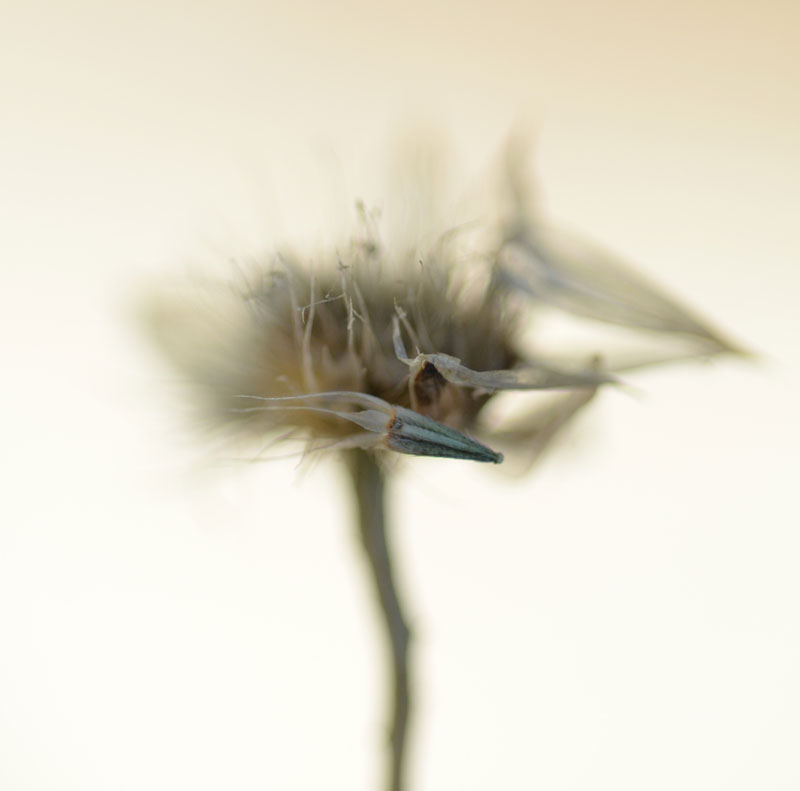
Late Summer Seedheads

LateSummerSeedheads1

LateSummerSeedheads6

LateSummerSeedheads3

LateSummerSeedheads2

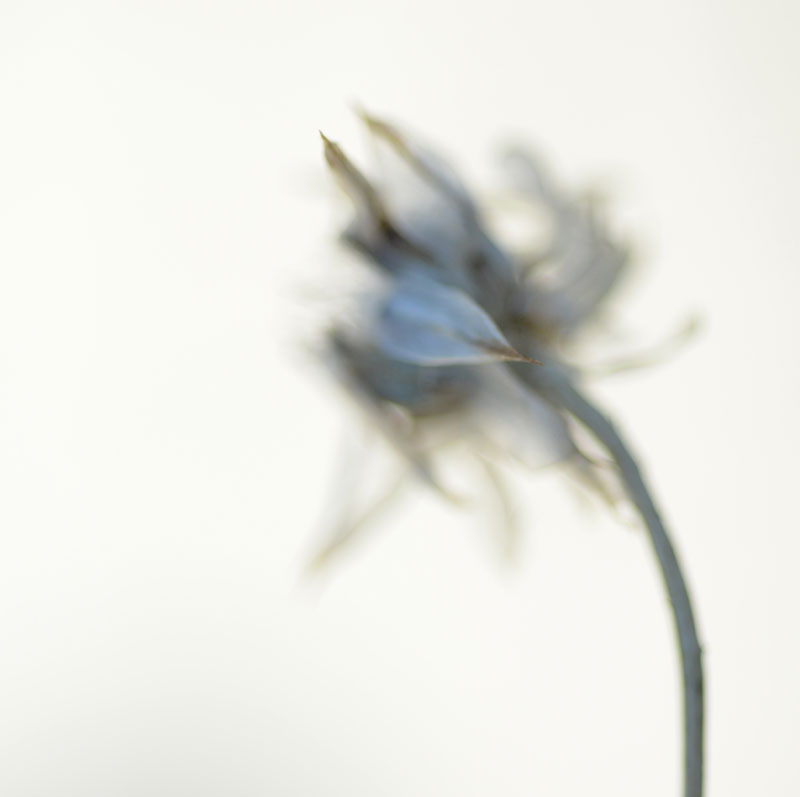
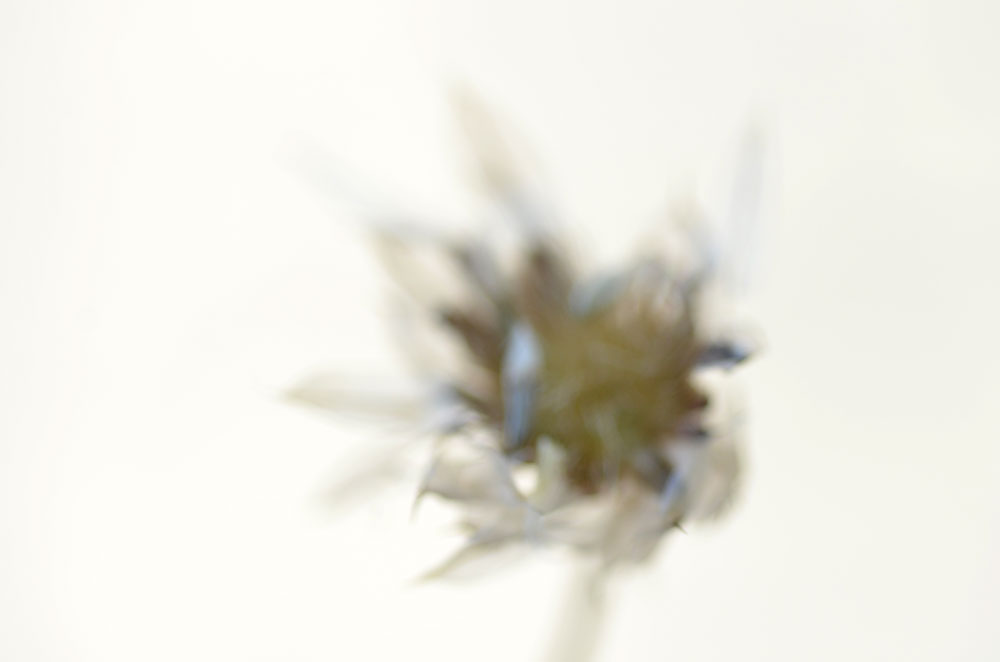
LateSummerSeedheads4The weather is shifting already and last night we had frost. It seems far too soon(!), but anyway, the flora is shifting with the temperatures, too.

I’ve been photographing these particular type of seedheads from my garden for over a year, through all the seasons (I don’t know what they are called). I can’t seem to make interesting photographs of them when they are still blooming, though. These are just some of the small remnants of summer, each one about the size of my thumbnail. I might try again while there are still a few blossoms left but it seems to be the transforming seedheads that my camera loves.

There are always new shapes and colours developing as the seasons change so I always find them interesting to photograph. I like how the tiny ‘tentacled’ seed forms look a bit squid-like in these images.

Many previously posted images of these (and other) seedheads can be found here.

© Karen McRae, 2013

How to Train Your Dragon … fly

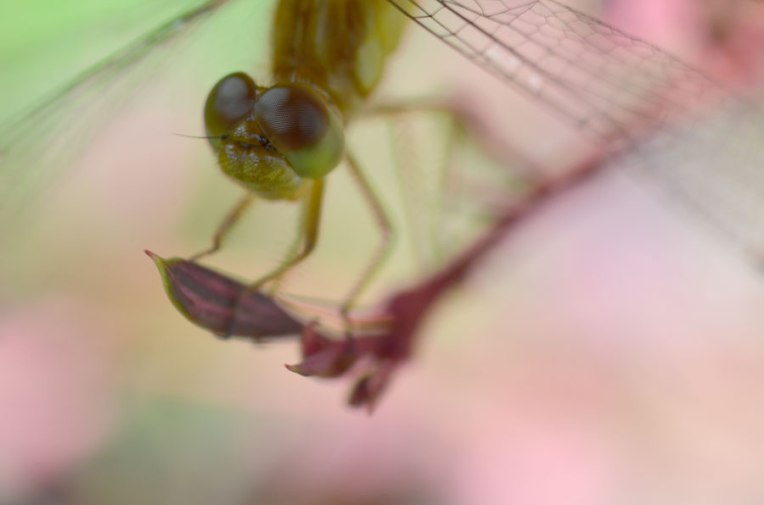
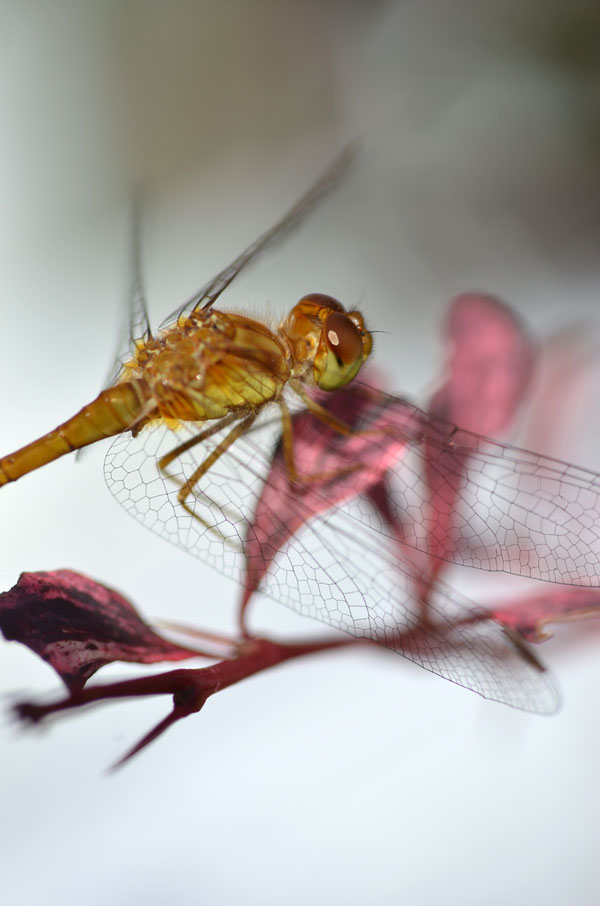
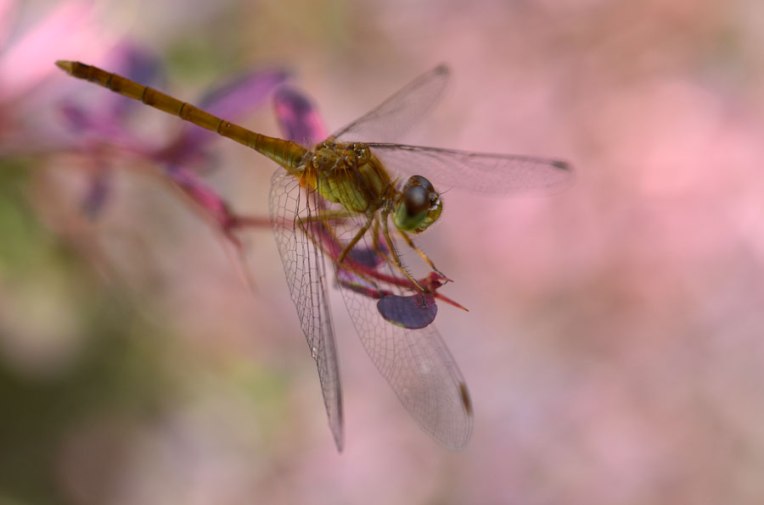
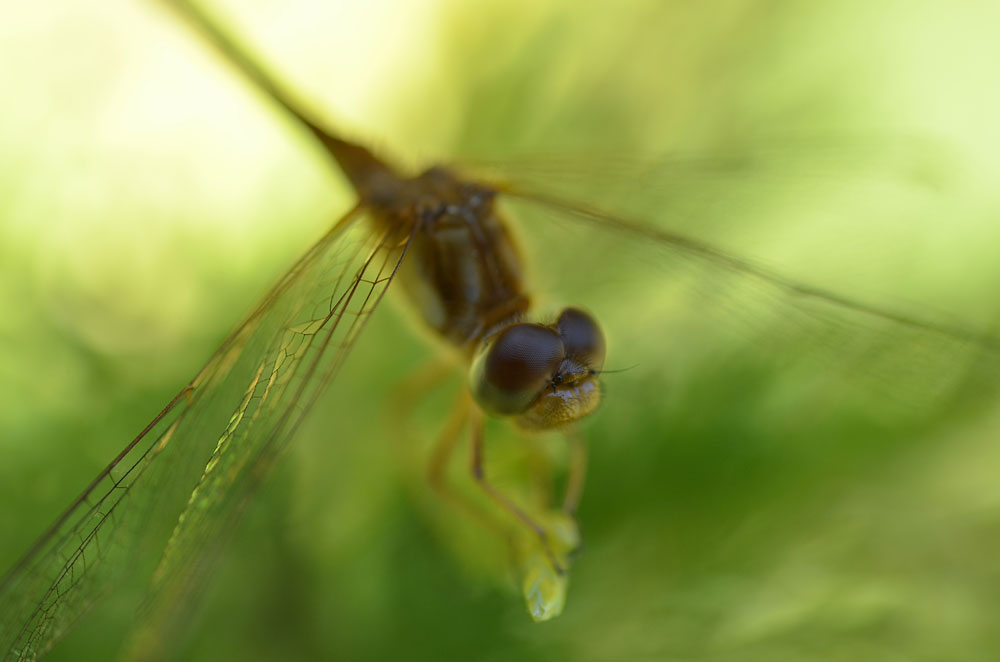
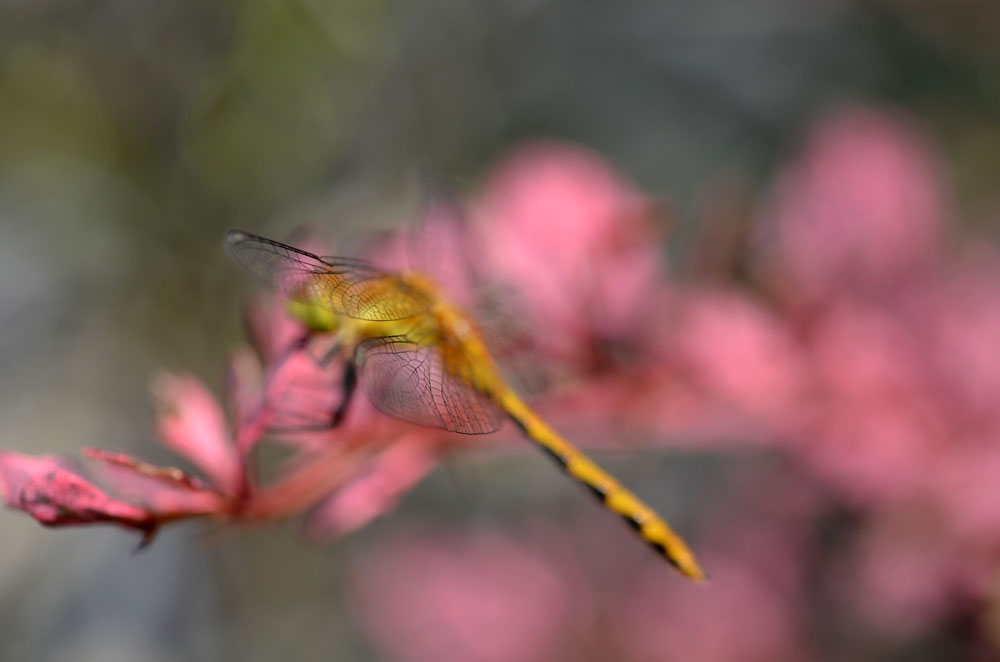
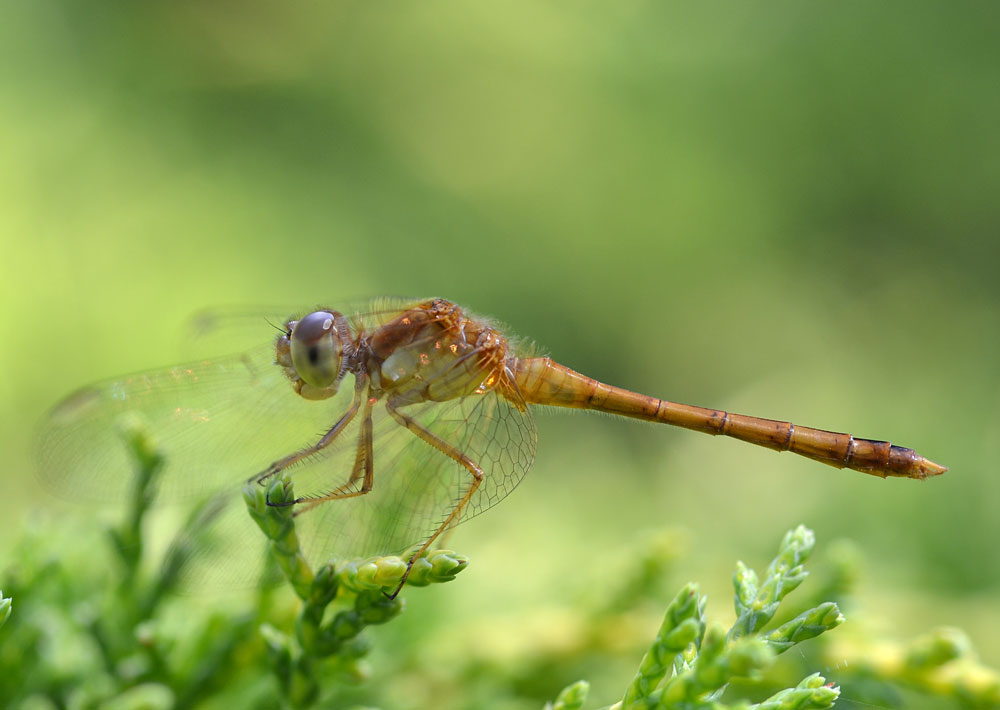
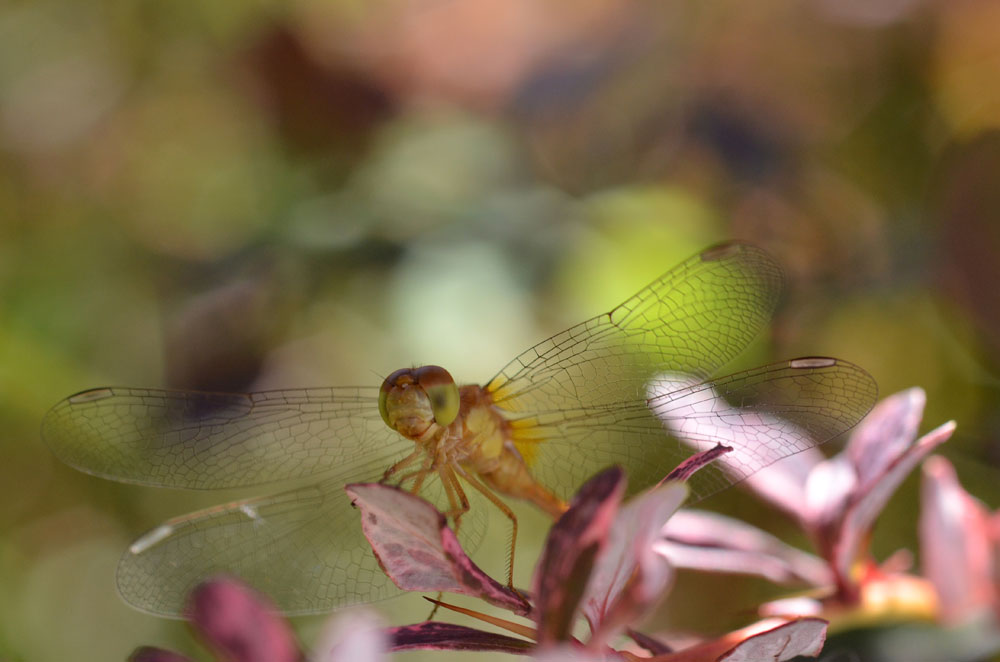
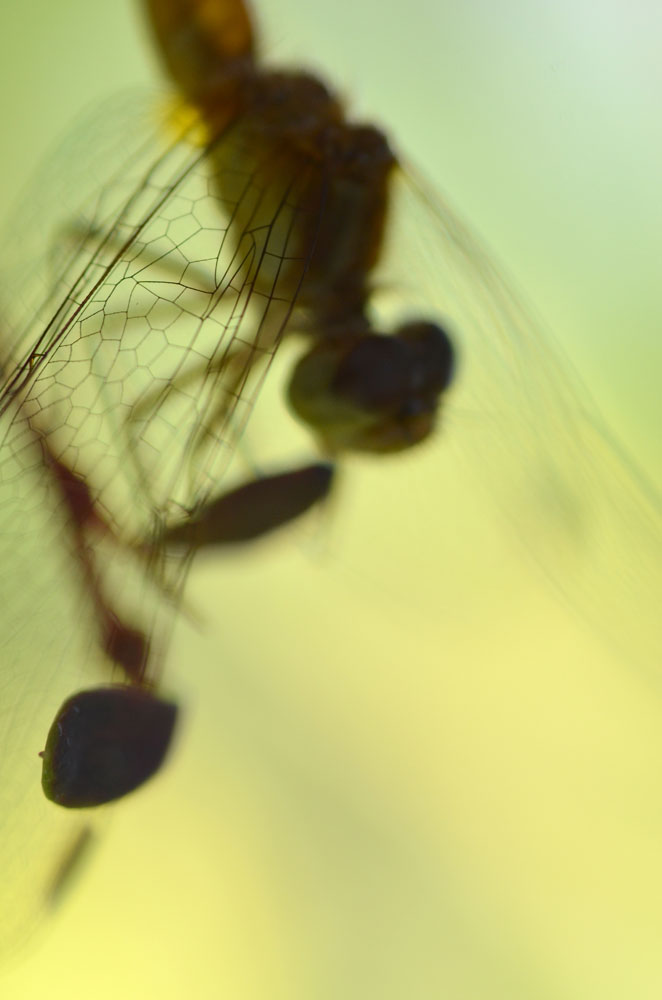
YellowDragonfly1Okay, the title is a little misleading as I really have no idea how to train a dragonfly – these guys just seem happy to pose for the camera for some reason. They sometimes even reposition themselves closer. Perhaps they see beautiful dragonflies reflected in the lens and are curious? Anyway, I have taken so many images I thought I would post a few more.

Seedheadbowed(There is no dragonfly in the above picture, obviously)

YellowDragonflyWings

YellowDragonfly8

YellowDragonfly5

YellowDragonfly6

YellowDragonfly3

YellowDragonfly9

YellowDragonfly4

YellowDragonfly7

© Karen McRae, 2013
It’s a Dragonfly Summer

Yellow-greenDragonfly4

Yellow-greenDragonfly2

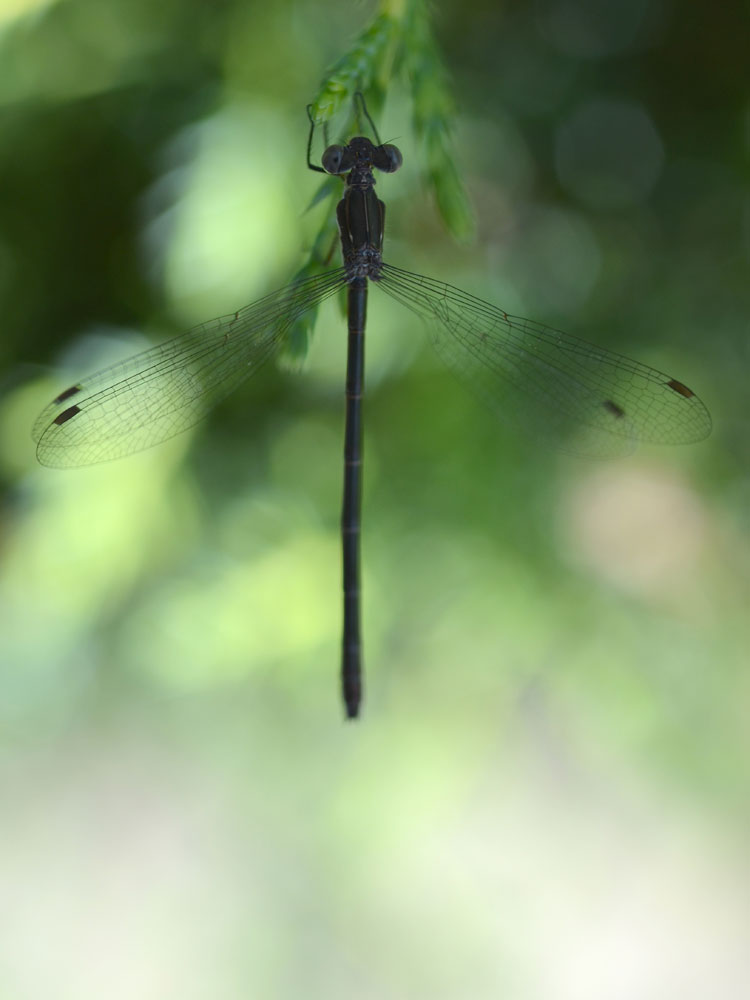
Yellow-greenDragonflyThe dragonflies have been amazing this year. I don’t think I’ve ever seen so many. In fact, as I sit writing this post I can see them flitting around outside my window.

They have been gathering on the sun drenched bushes and shrubs allowing me to observe them rather closely (I’d venture to say that they are willing collaborators, one of them even perched on my nose for a while …). Mostly they are a yellow-green colour but there are a few other types, too, and they are all fascinating up close.

Yellow-greenDragonfly6

Yellow-greenDragonfly8

BlackDragonfly

Yellow-greenDragonfly7

Yellow-greenDragonfly5

Yellow-greenDragonfly3

When we were canoe camping in Killarney a couple of weeks ago I saw a several cast off larval skins from dragonflies and here is one pictured below.
DragonflyShellDragonflies in their larval stage live underwater and when they are ready to metamorphose into adults they climb out of the water on an available reed or water plant and go through the process of emerging from their old skin.

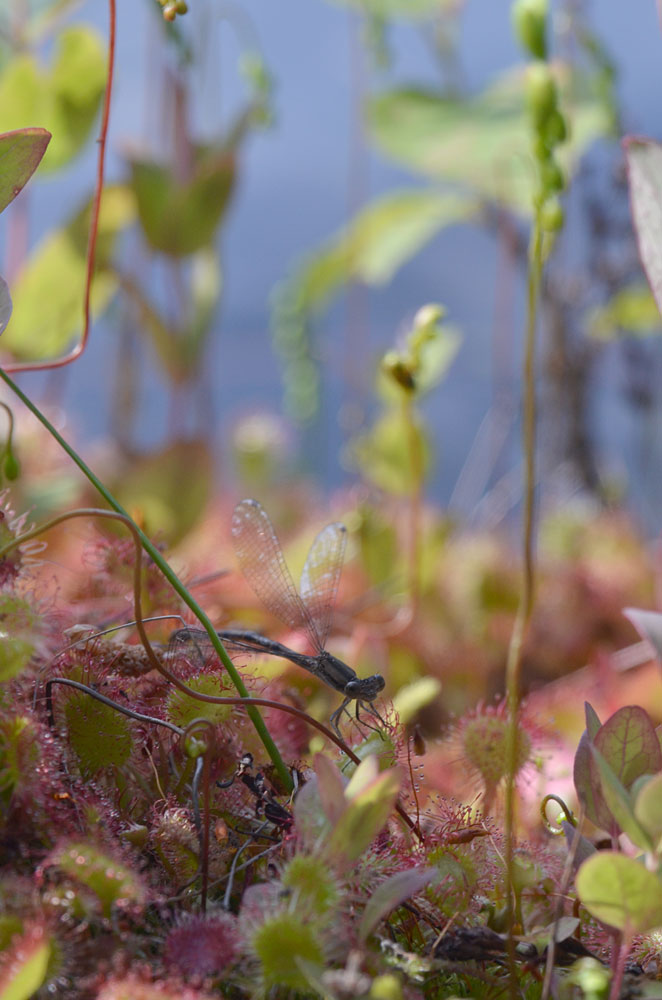
DragonflyinSundewsNear the shed skin was this poor dragonfly caught in some sticky carnivorous sundews (Drosera). Sundews are rather beautiful, I will have to head to the bog one day and see if I can find some locally.

[These above 2 photographs are lacking detail as I didn’t bring a macro lens camping (all other images were taken with a macro lens), and my canoe kept shifting around – next time I think the extra weight of the macro lens would be completely worth it!]

A whiskered closeup:
Yellow-greenDragonfly9_crop(click on images to enlarge)

© Karen McRae, 2013

The Rain Becomes You

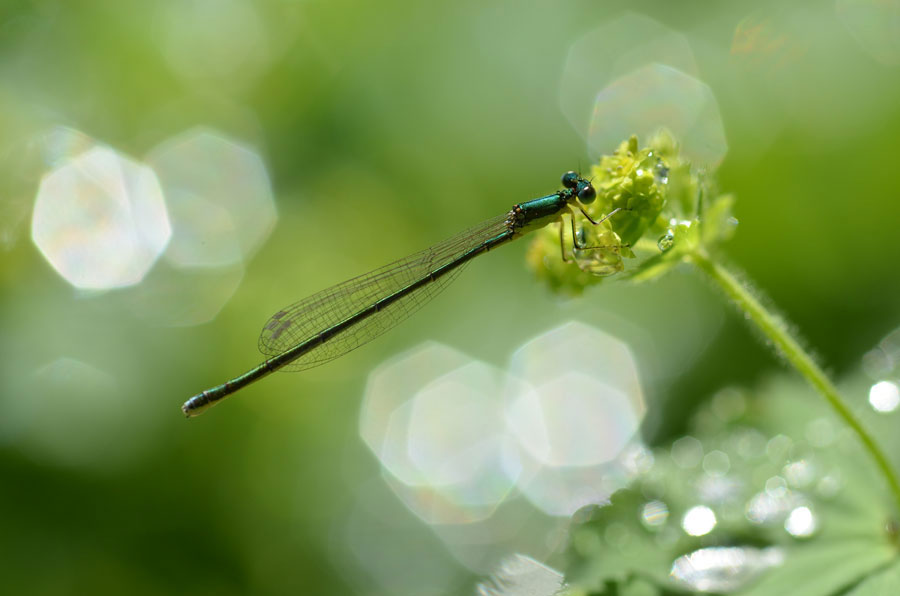
The-Water-GathererA damselfly that tells fortunes…?

Small-Drops-of-Grass

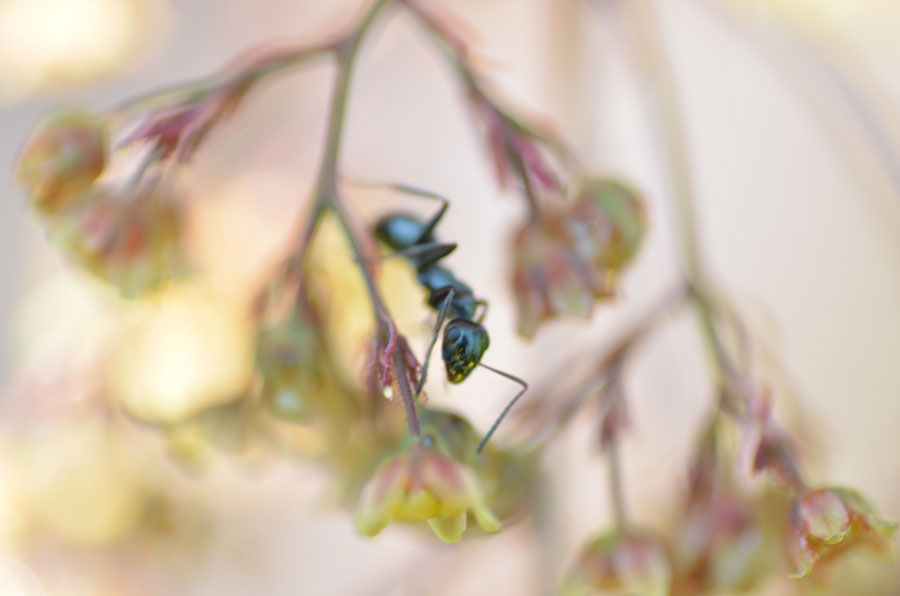
Hold-on-TightI think this might be a small weevil(?) of some sort, managing to hang on to the underside of a leaf with the weight of all that water.

WildStrawberryBlossom

Damselfly1
The-Little-Forager2

HostaDrops

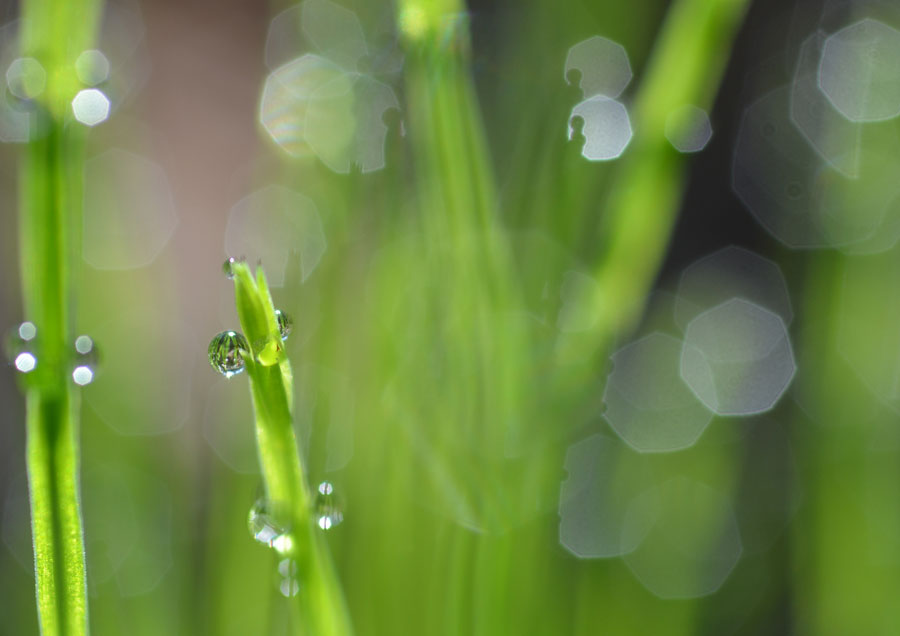
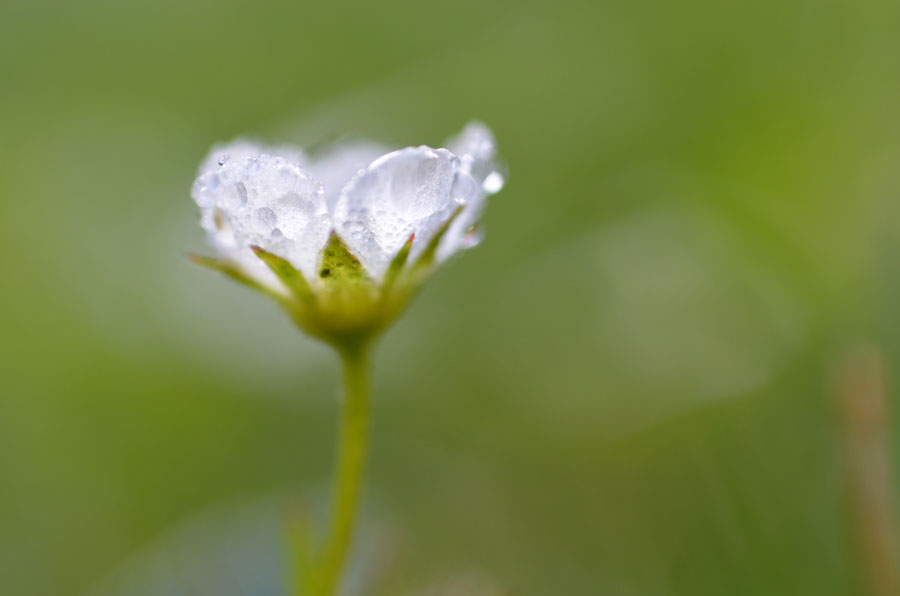
The-Little-ForagerWe have had a fair share of grey and rain around here. The earth is well watered, and you could disappear in the tall green grasses. It is easy to gripe about the greyness of it all, but when the sun returns you are reminded that each drop is a transient gem.

© Karen McRae, 2013
Window Frost Details

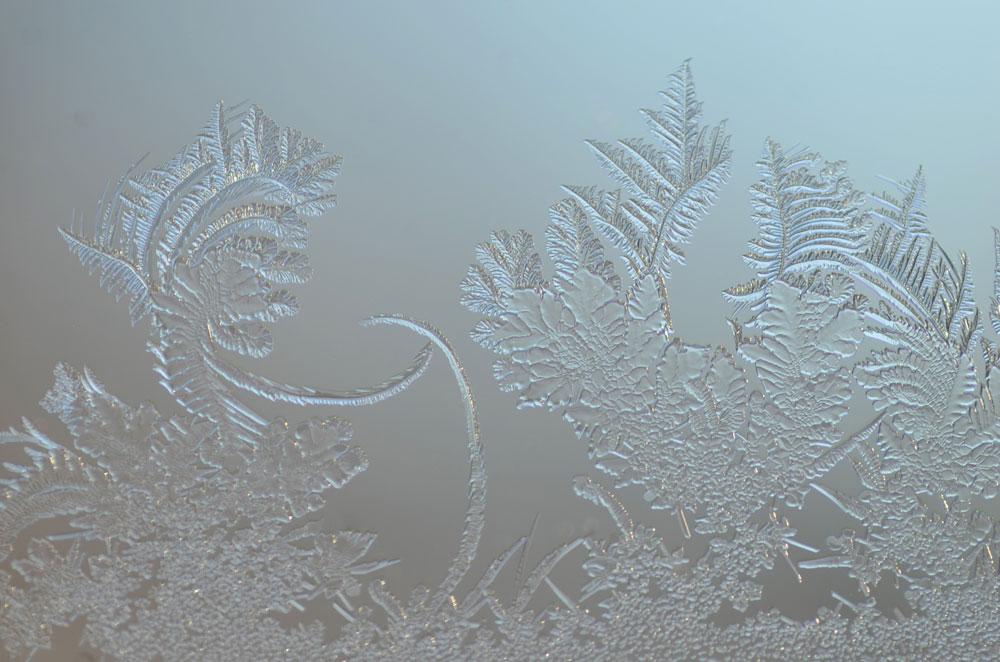
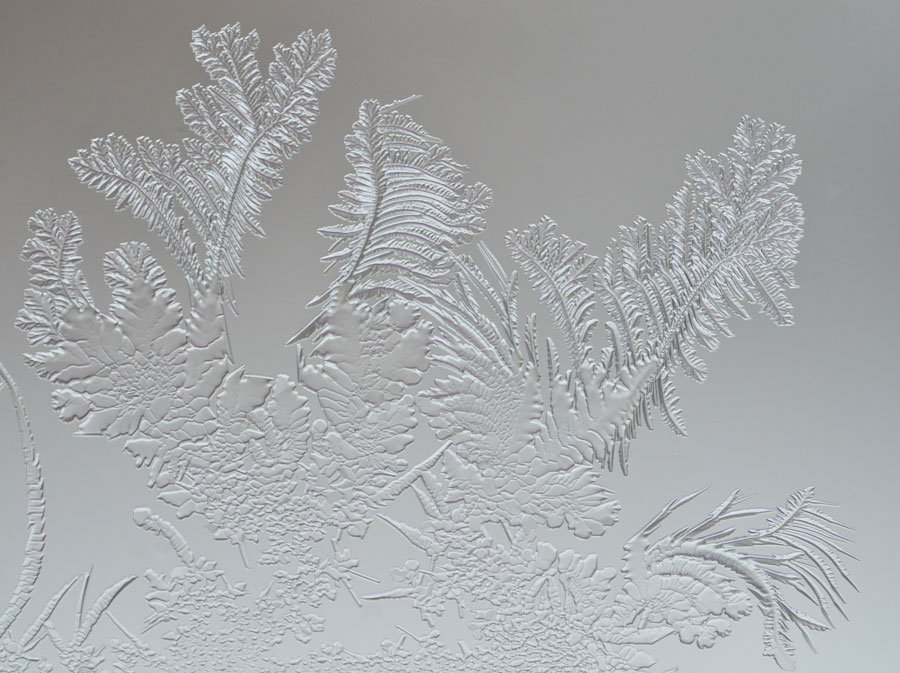
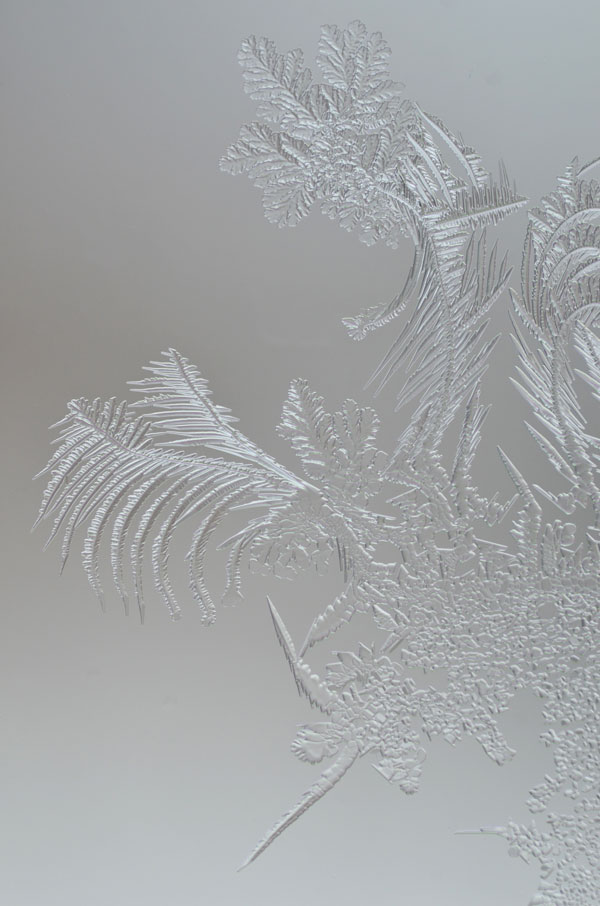
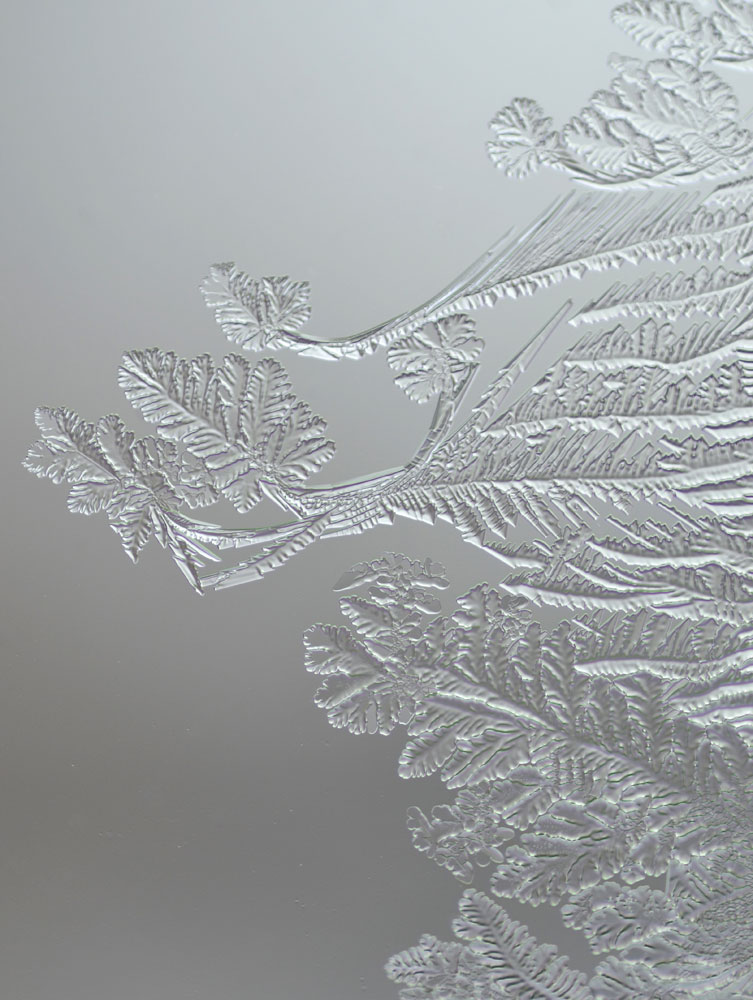
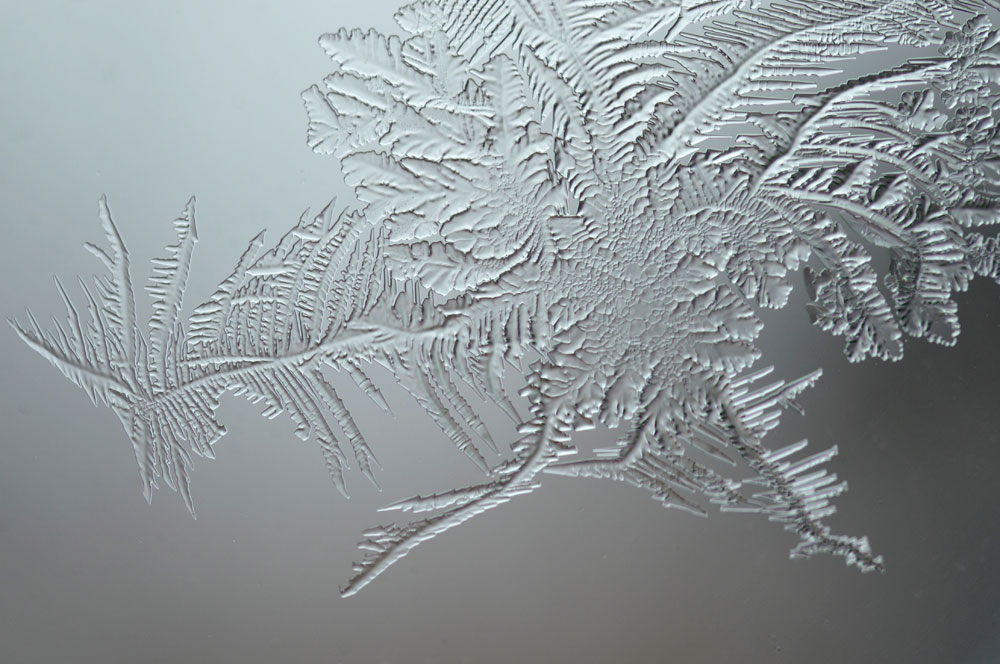
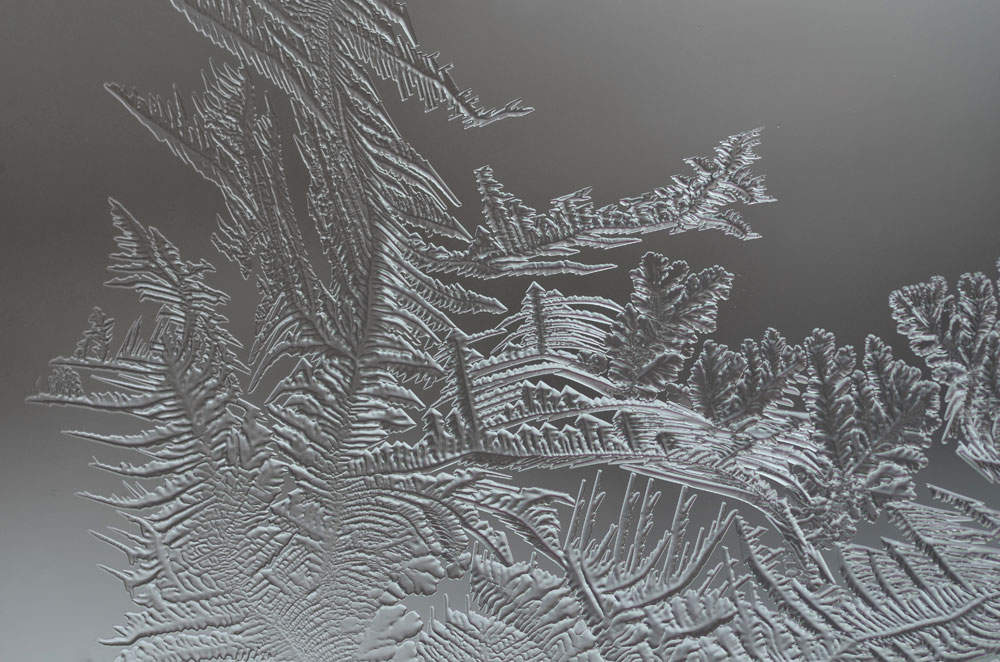
These are the delicate details of frost growth on a window. It has since warmed up here significantly and these icy apparitions have now vapourized but when I look at these images I find they are suggestive of elaborate gardens and graceful trees, Chinese landscape paintings and dragons.
WindowFrostDetails6
WindowFrostDetails1
WindowFrostDetails3
WindowFrostDetails4
WindowFrostDetails5
WindowFrostDetails7
WindowFrostDetails2
WindowFrostDetails8

© Karen McRae, 2013