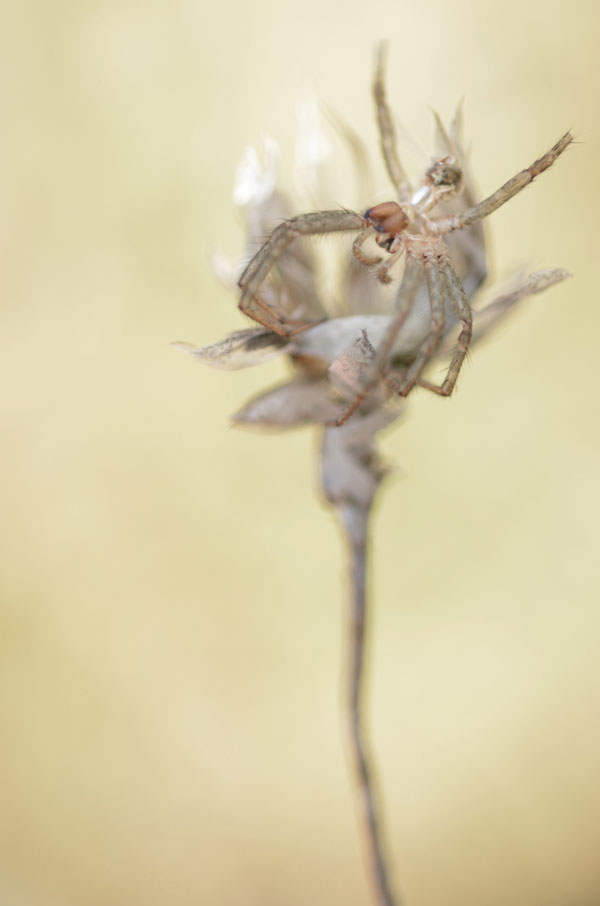

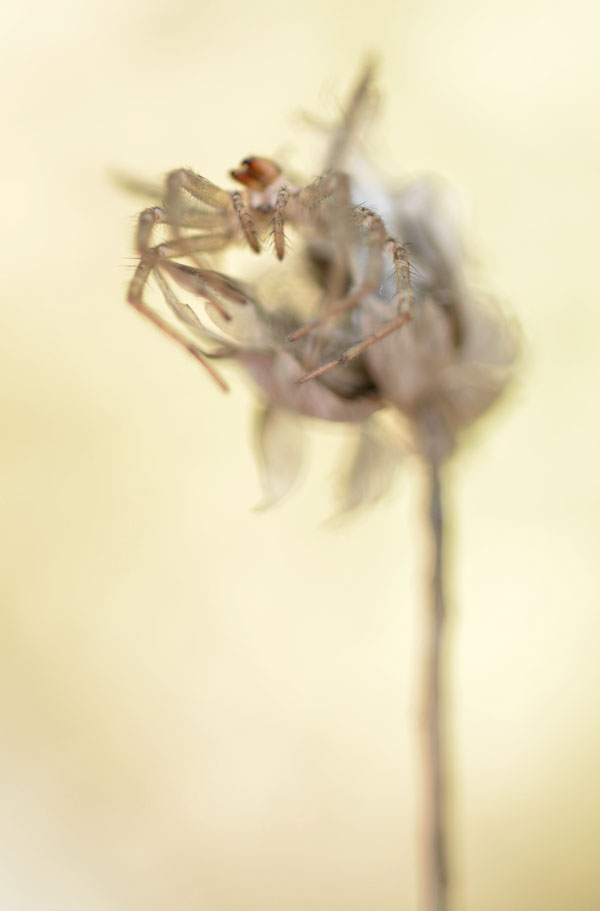
 Remnants from last year, including the spider legs! You may notice there is not much of a body to go with these spider legs but the legs themselves were quite well-preserved.

© Karen McRae, 2014

Remnants from last year, including the spider legs! You may notice there is not much of a body to go with these spider legs but the legs themselves were quite well-preserved.
© Karen McRae, 2014
A rather awkward little animation but it was fun to make. The subject is a seed head from my garden photographed at slightly different angles to allow for movement and then layered and animated in Photoshop.
Unfortunately it cannot be turned off but below is a still image of the same subject for visual relief. GIFs can get annoying very quickly! It’s not something I would usually post (although I’ve made a few other unskilled animations over the years), but for some reason I keep picturing this little dragon breathing…

What’s growing in your garden?
© Karen McRae, 2014
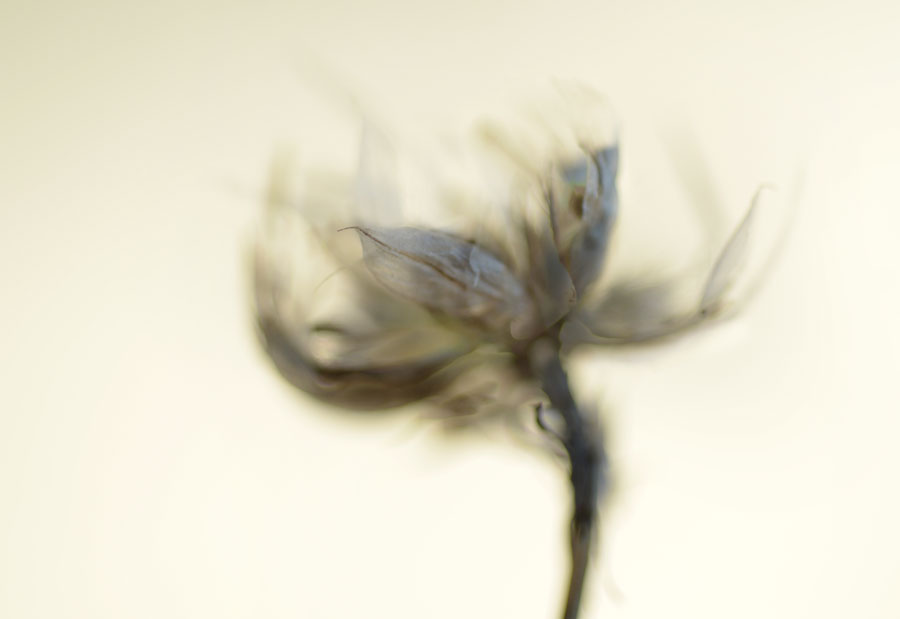
 These little seed heads in my garden keep calling me back to look at them and I like observing their changes as they advance through the seasons and work their way out of the snow. Somehow they still hold a whisper of the faded colours of summer.
Spring is in no hurry, really, but under the trees there are finally circles of earth, damp and tarnished from the winter. These hopeful patches might hold a gentle robin or a few starlings jabbing hungrily at the ground, and today for the first time I am hearing the lovely lilt of a red-winged blackbird. We are grateful for any bits of spring that we find even if it is simply the incremental folding back of the snow or a few pussy willows breaking through their skins.


Below: The first pussy willows, a couple of weeks old now…
© Karen McRae, 2014


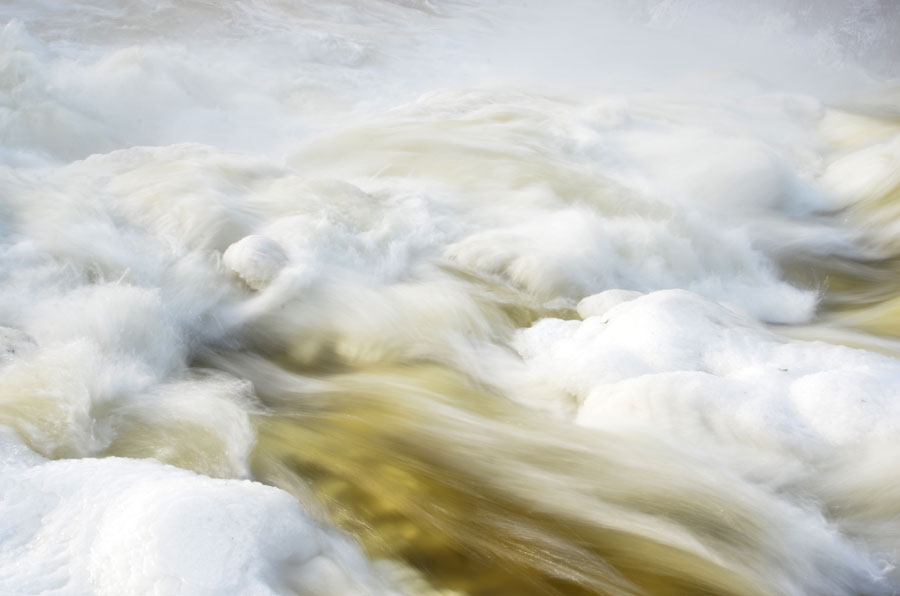

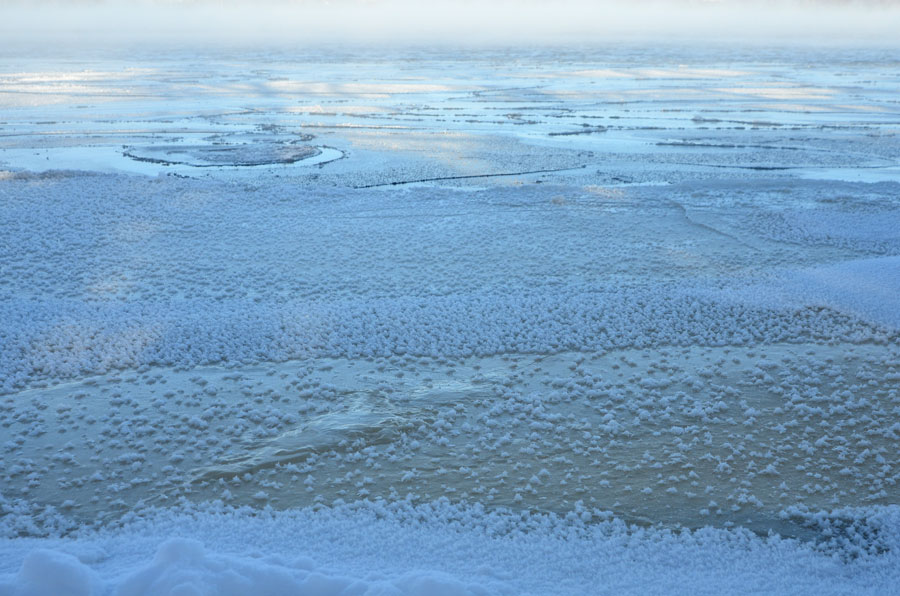
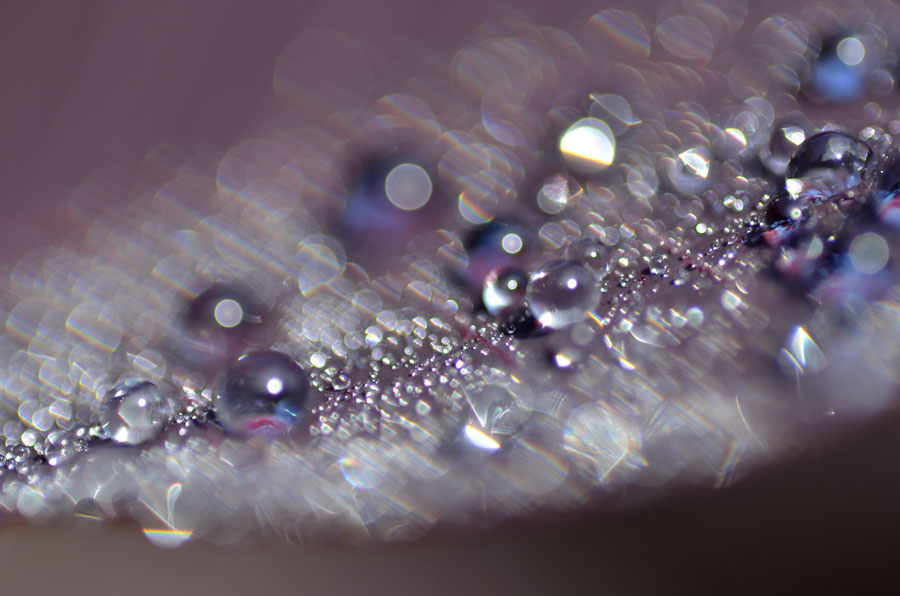

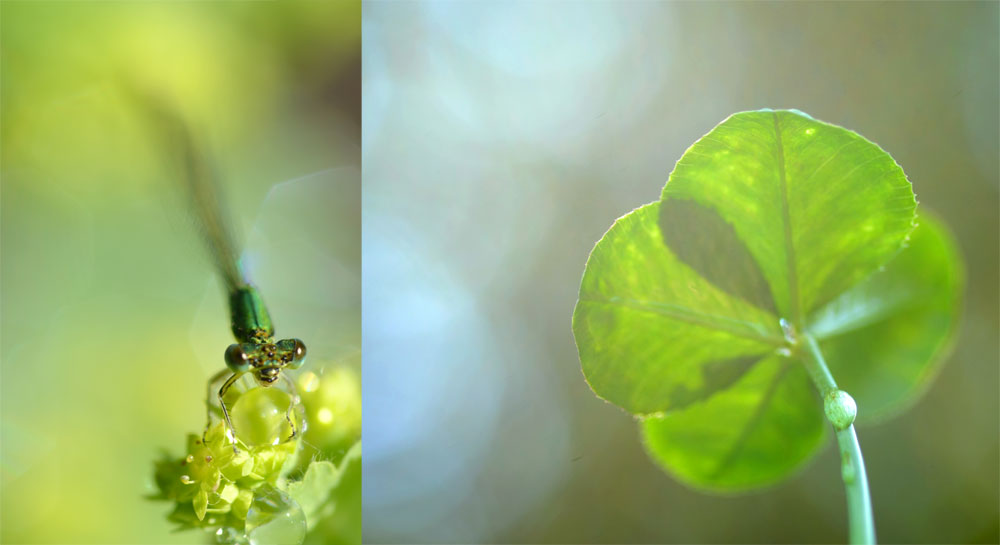 Most of these photographs have been posted somewhere on this blog before, but together I think they tell a small part of a very big story.
© Karen McRae, 2014


A winter sky and roadside grasses. The sky actually looked just like this, with rainbow colours shimmering at the edges of the clouds. The little bird flew right into the frame just as I pressed the shutter.
[Photographs made while riding in a moving car.]
© Karen McRae, 2014
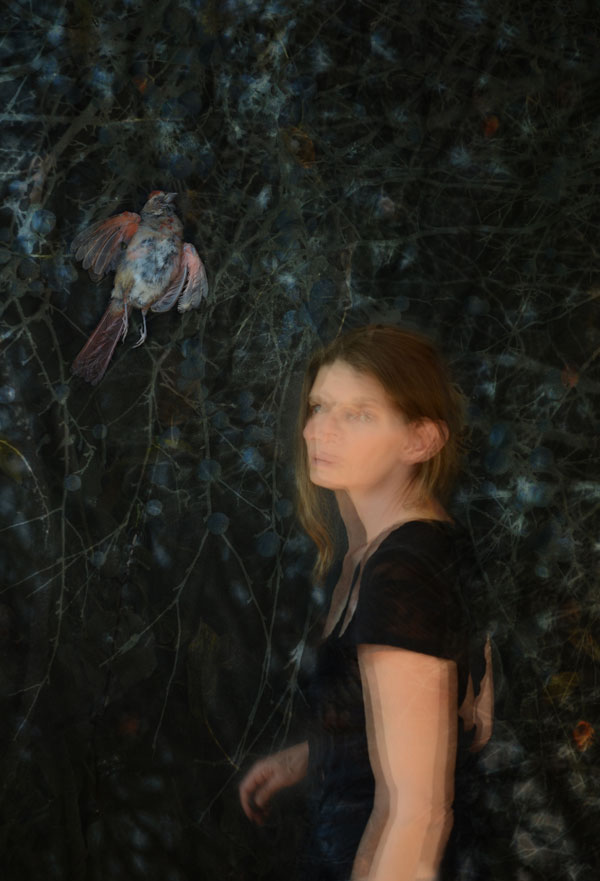
[A multi-layered double exposure]
© Karen McRae, 2014
 Since today is the first(!) official World Wildlife Day I thought I would post some photographs of an at-risk species I was introduced to on my trip to the Bahamas. These are Bahamian Rock Iguanas that live on many of the small islands in the Exuma Cays. These iguanas are on the IUCN (International Union for Conservation of Nature) Red List as a threatened species. On some islands there are a number of factors putting them at risk such as poaching and other (introduced) animals including cats, dogs and feral pigs (more about the pigs later!), but I was particularly interested in the impact of ecotourism (since I was there as a tourist myself) and the fact that they are often fed by people visiting the islands.
As our boat pulled up to the sandy beach one could see many iguanas sitting there on the sand, and oddly they didn’t move away when our small group stepped out of the boat and walked to the shore. These wild reptiles are now quite familiar with human intrusion and have little fear. They were waiting for food. As honoured as I felt to be walking among these beautiful creatures their lack of fear left me kind of unsettled.
If you want to delve further into the complicated relationship between tourism and conservation here is a paper evaluating just that: Effects of ecotourism on endangered northern Bahamian Rock Iguanas (Cyclura cyclura)
– Hines, K. 2011. Herpetological Conservation and Biology Vol 6, No. 2:250–259]

And here are some interesting facts about the Northern Bahamian rock iguana from the Bahamas National Trust website:

© Karen McRae, 2014
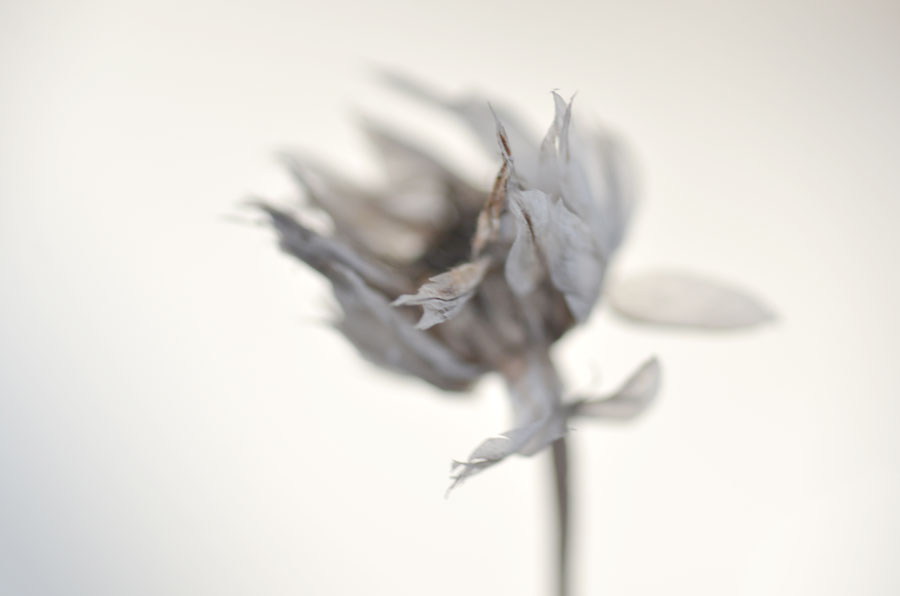

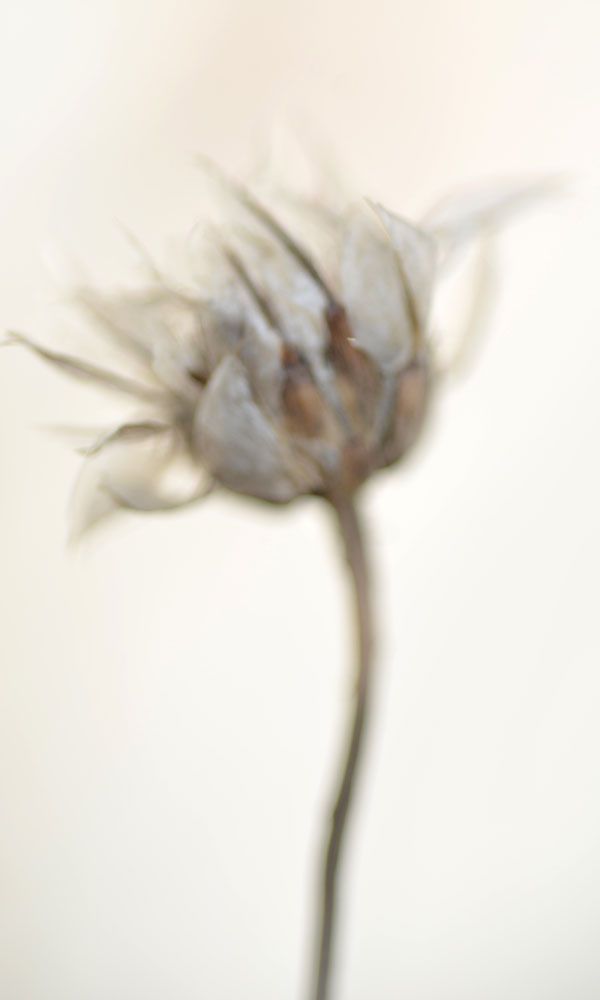


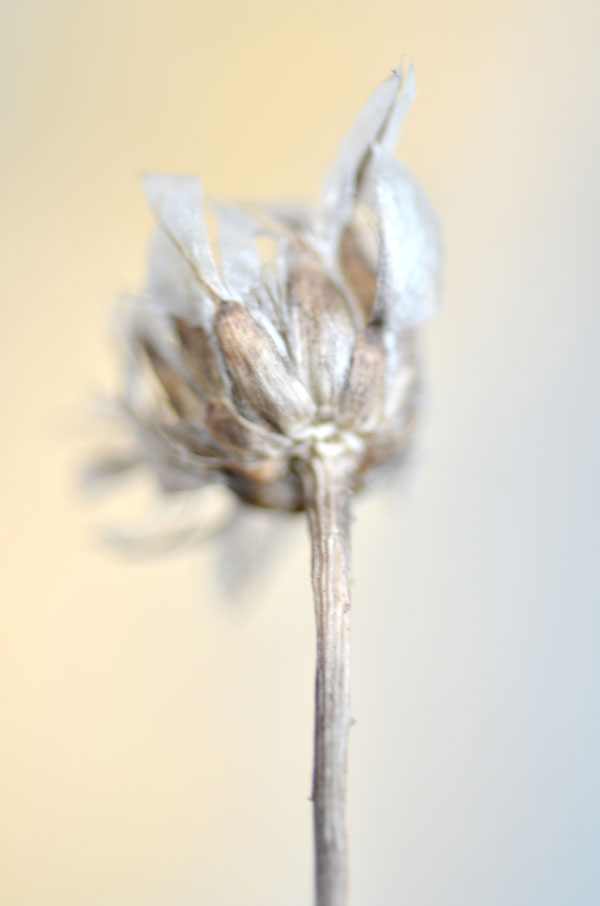 After a bit of warmer weather a few days ago, I noticed some of the tiny seed heads from last year had managed to make their way up through the snow for some air. I think it will be a while before any more of them show their ragged little heads; we are back to winter and that snow is still thick over the earth. I like seeing how they change over the seasons so I took a few photographs this morning as we shivered together in the wind. Happily, they are still filled with little seeds of hope.
© Karen McRae, 2014


Shadows and snow angels.
I am relatively certain these little snow angels are made by the ‘spring birds’ (robins) who have heroically stayed for the endless winter.

© Karen McRae, 2014
 draw and shoot