
There is a sojourn to the sea on the very near horizon.
It may be quiet here for a fortnight.
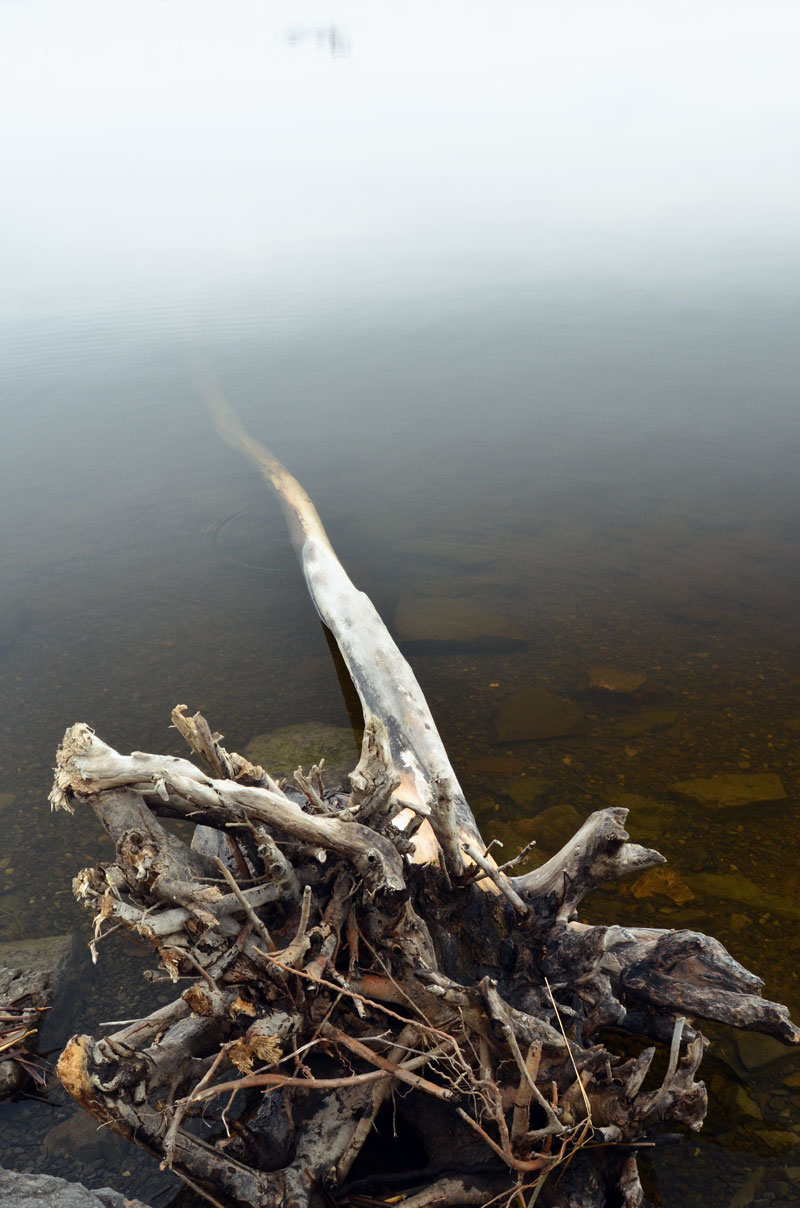
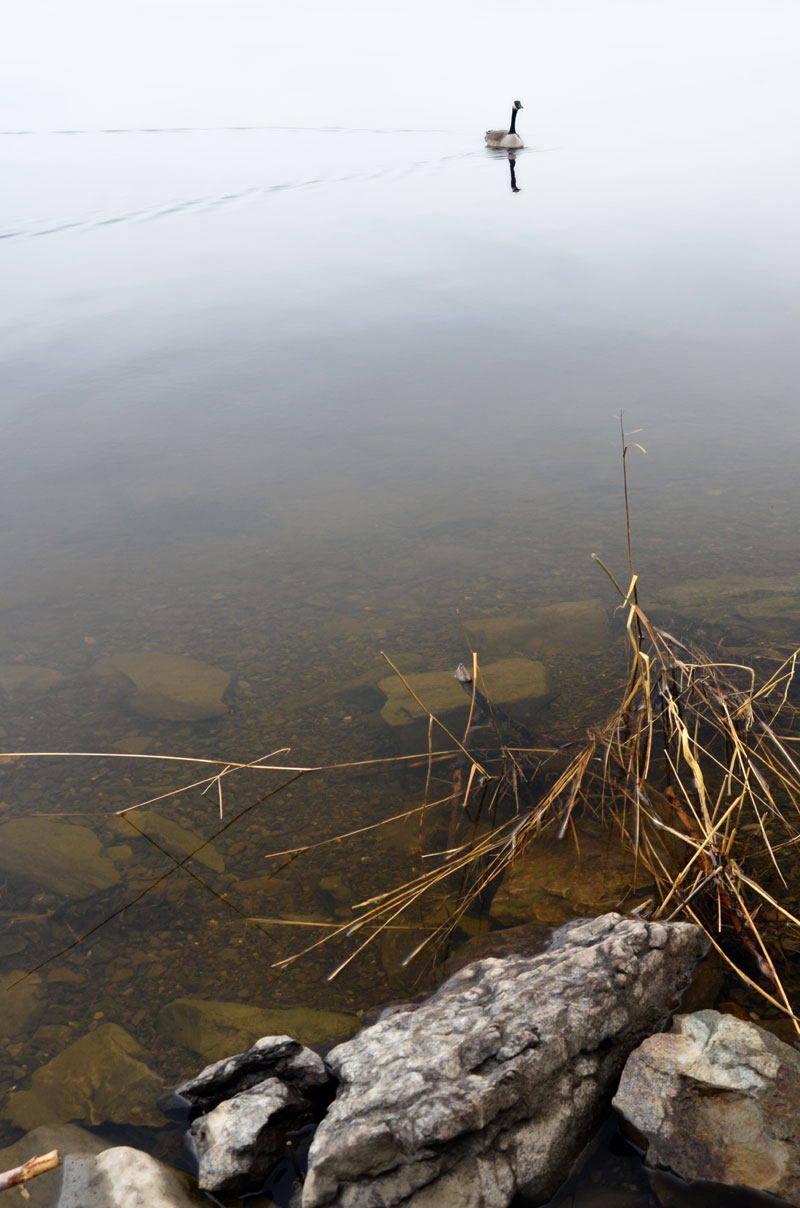
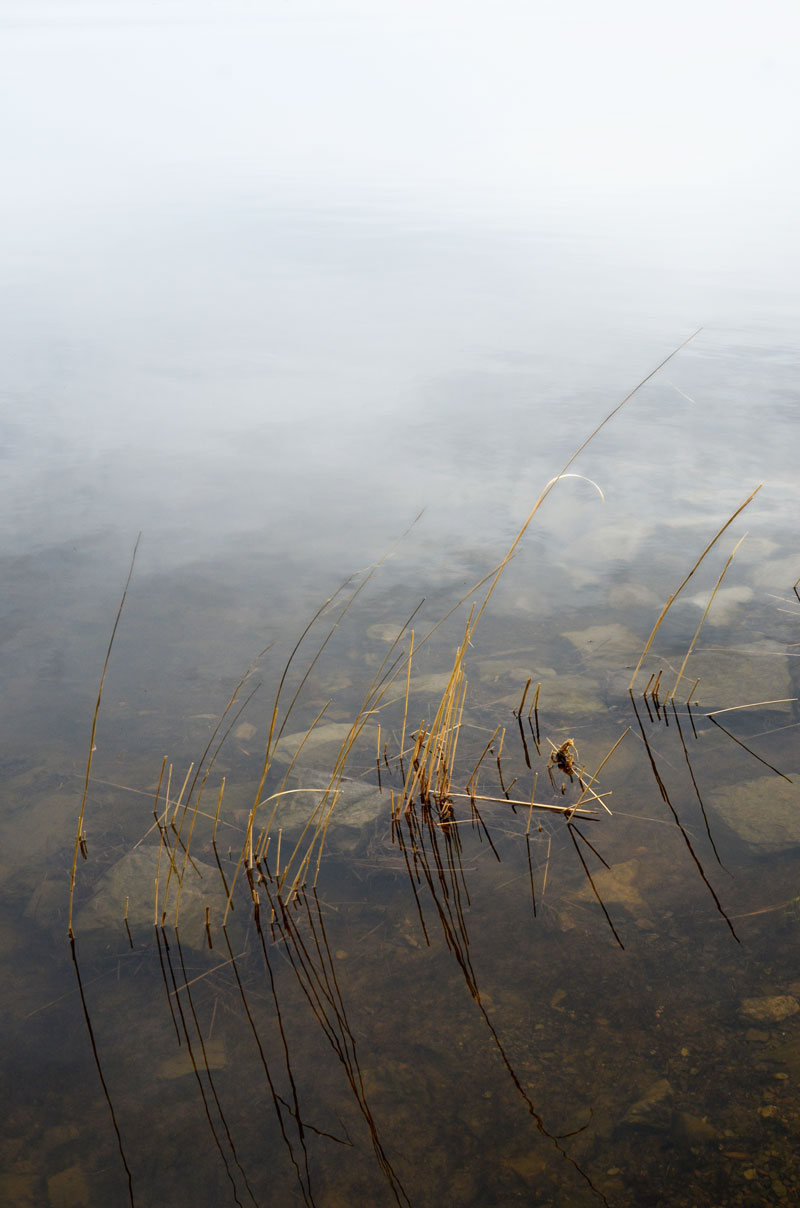
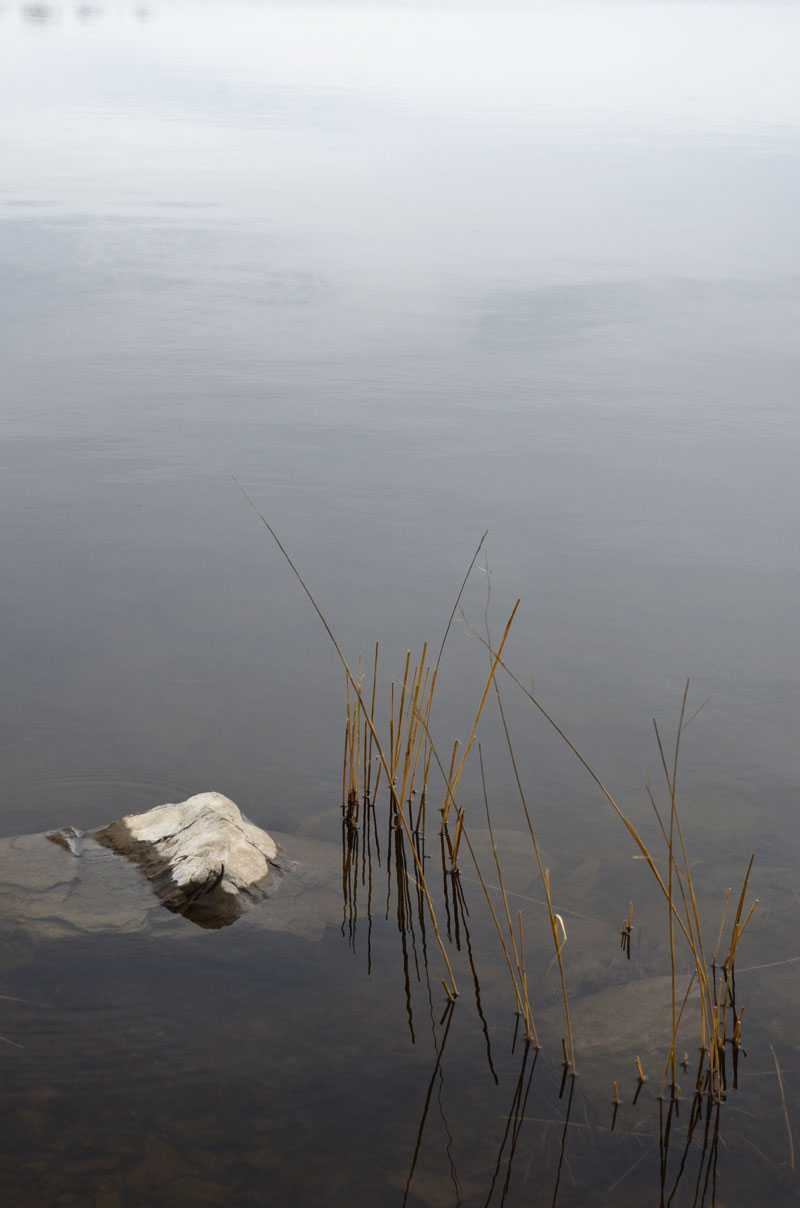
All images © Karen McRae
landscape
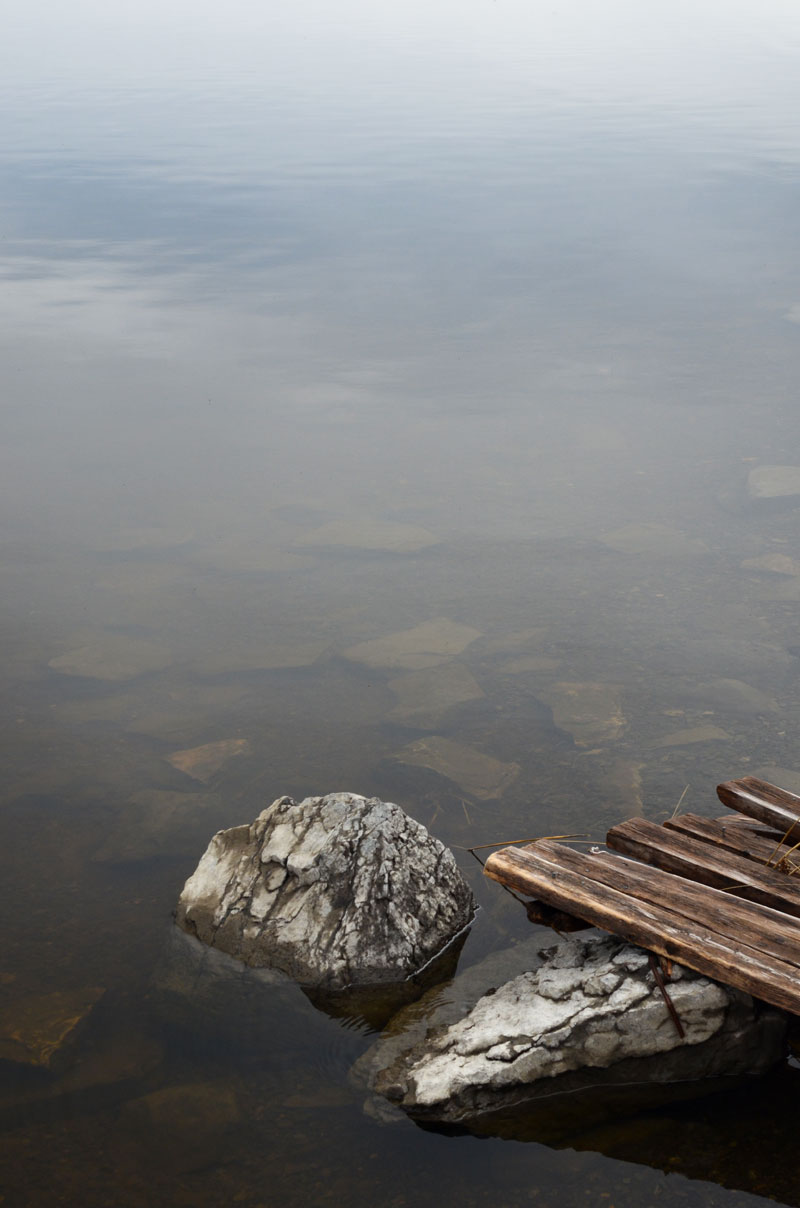
Muted


All images © Karen McRae
A River of Thought
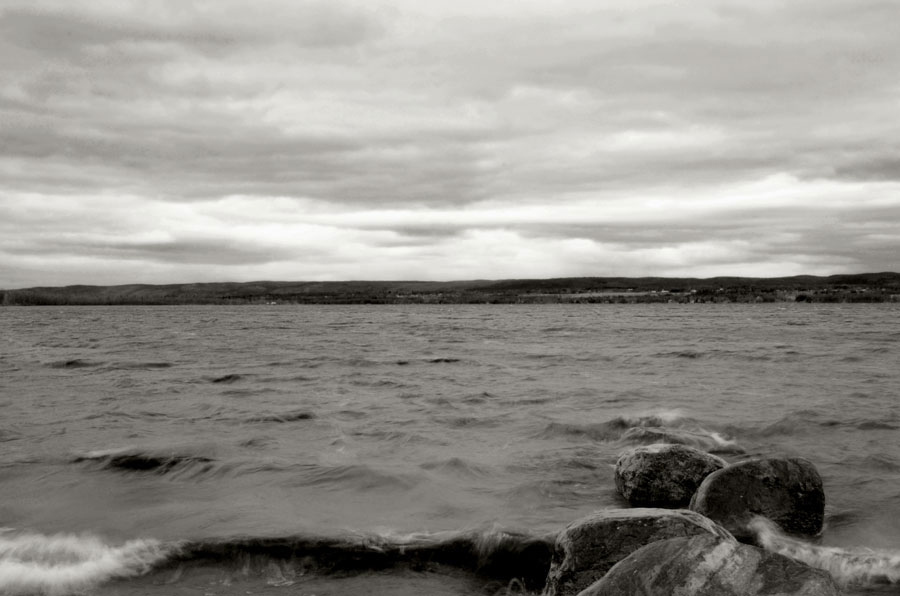
For the majority of my childhood, I grew up beside a river. It was part of my backyard, really. As essential as the ground beside it. I remember the day I discovered it had been used as a dumping ground of sorts. I started finding things.
Old medicine bottles, broken glass, shards of faded pottery.
I remember asking my mother about it, she said, yes, people used to put their garbage in the river. I remember being stunned. Of course, years ago there was no garbage pick up. People burned their garbage or buried it on their land. Or in their rivers.
But what struck me is that these people were my grandparents. I knew these people.
I was thinking about this today, about how it connects in a way that I hadn’t realized before to my interest in understanding the landfill. And my longstanding love of the rivers, lakes and oceans. If you want to read the introduction about my ongoing landfill project you can find it here.
Another thing that struck me. The river is still a dumping ground. It is cast with thoughtlessness. You won’t see it here, but I can tell you about it. I can tell you about the hundreds of plastic bottles that wash up every spring, the half-shredded plastic bags, the old tin cans and beer bottles. The Styrofoam. I can tell you about the bags of garbage that I’ve picked up when walking the shore.
 A winter river, breaking open
Back to the landfill. You don’t see garbage there. It is taken care of. It is a full landfill.
How could the landfill be cleaner than the river?

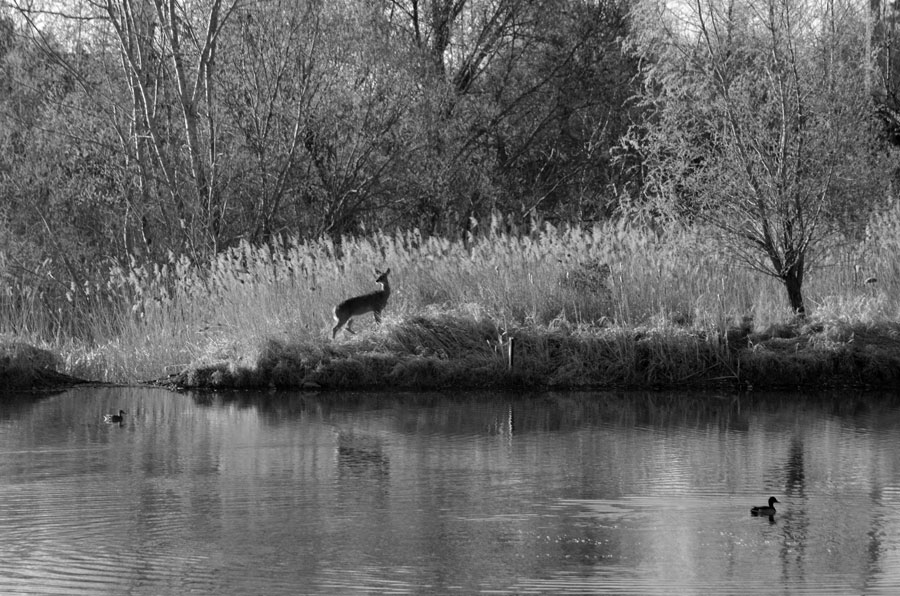
I recently spent another morning there. You might be surprised to know that there is a certified wildlife habitat within the boundaries. There are hundreds of birds and many deer.
You also might be surprised to know that because this landfill is closed and another one has not yet opened, we send 70 percent of our city garbage (industrial and business) out of the area.
In fact, we ship some of our garbage to Michigan.
Canada’s capital city sends garbage to the USA.

But I’m still wondering about the river. I’m wondering why it’s still a dumping ground? As a caretaker of the earth, I’ll be working this weekend.
All images © Karen McRae
A Soft Place to Land: Part One
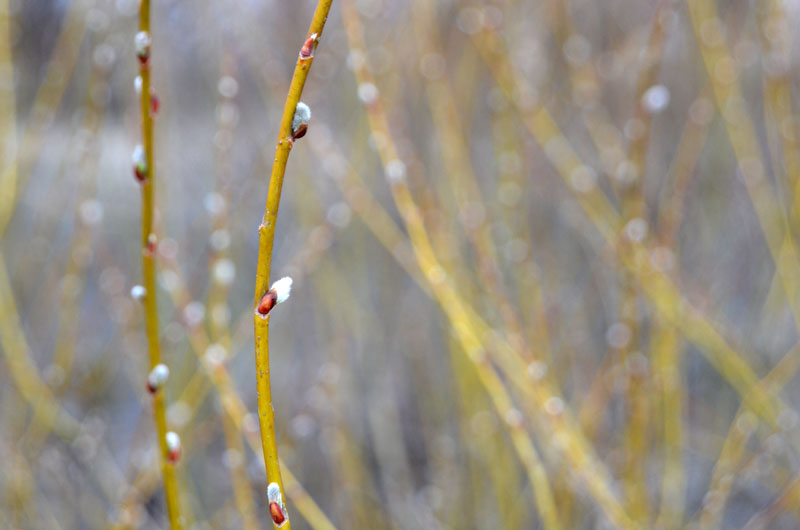
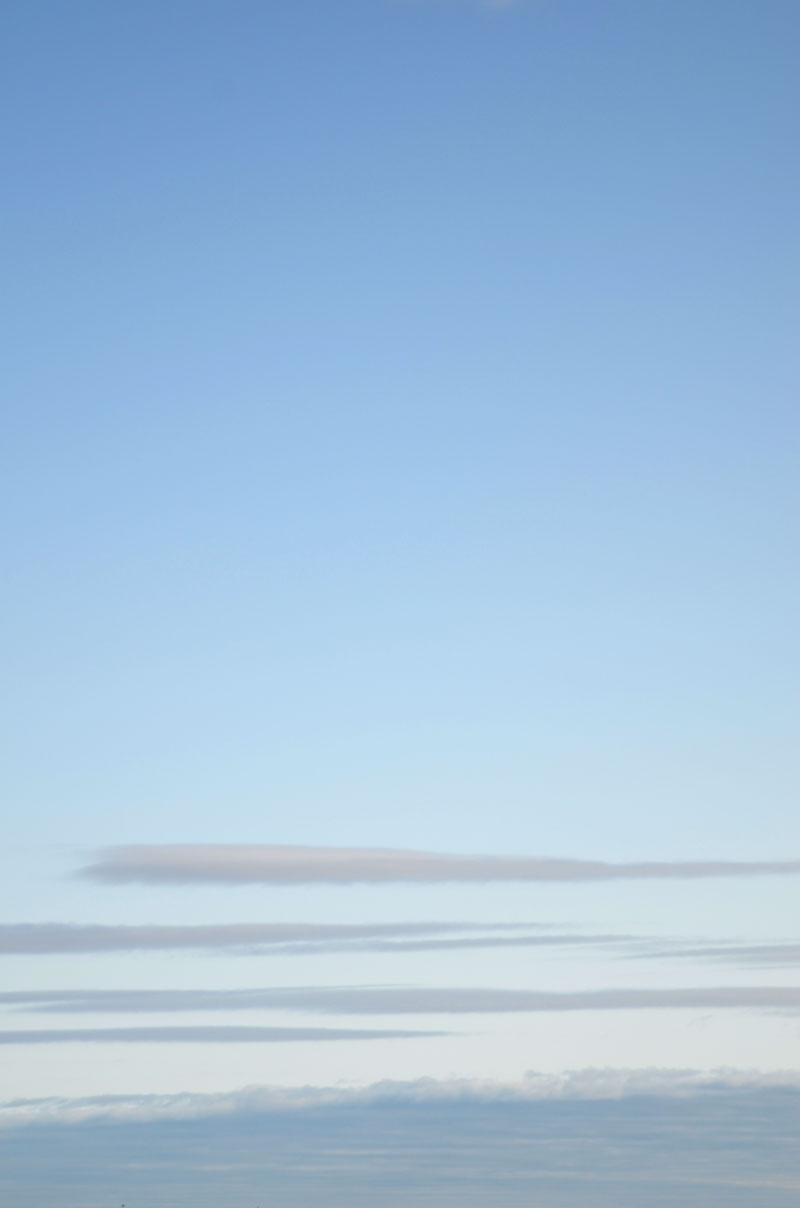 I’ve been thinking about the textures of spring. The things you slowly come to notice. Like the way the air sort of rushes through you instead of around you. The yellow-greens that hover at the tips of the trees like a dancing mist. The velvet carpets that slowly roll out under your feet. Some of them solid. Some of them shifting. How your senses heighten and make everything more absolute. But with this, a softness.
The temperate softening of the landscape. There is a beautiful energy to the spring; a measured growth and a bursting freshness.
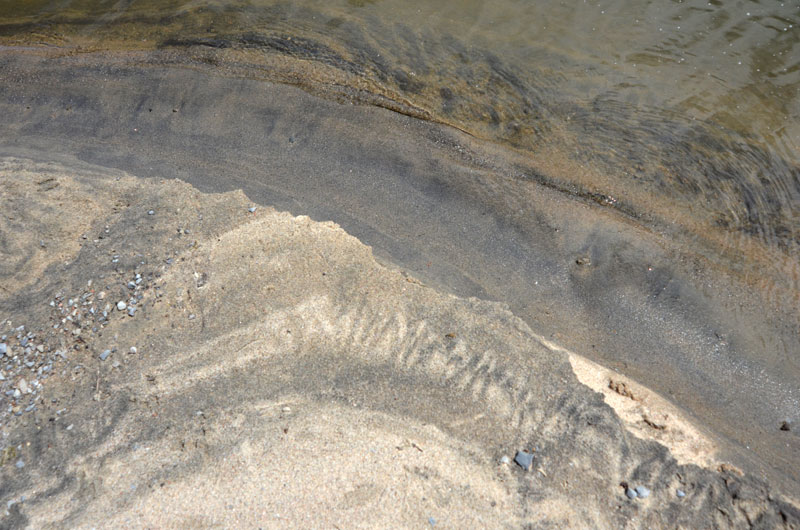

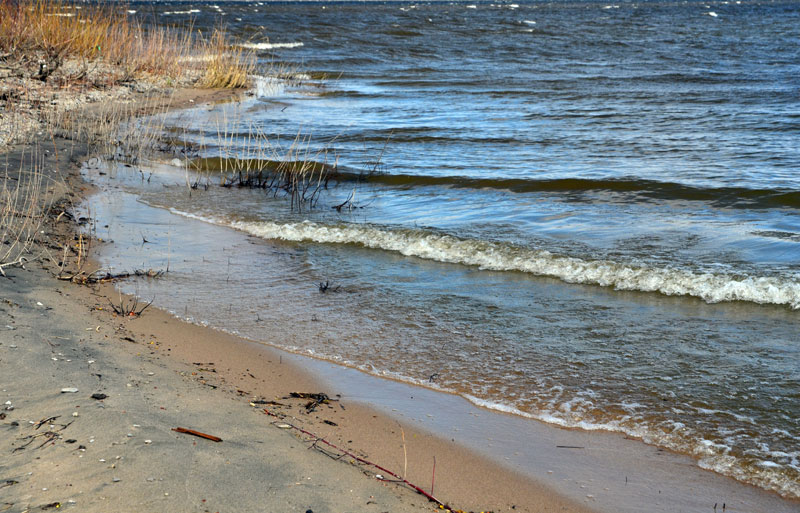

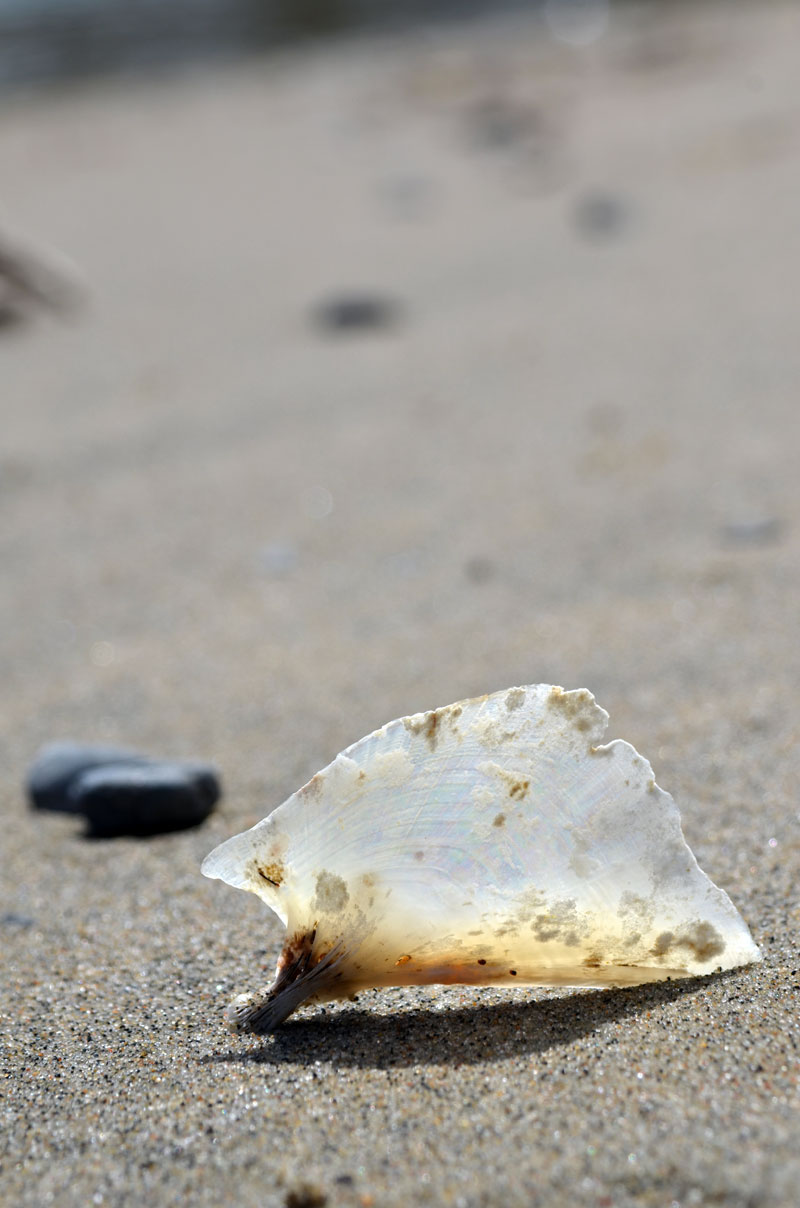



All images © Karen McRae
Ready for Release
 I had a chance to visit with the wrapped trees today. I thought they might be released from their winter trappings, but no. Surely, it must be well past time. The little trees are trying to fight their way out with the aid of the prevailing winds. They are ready to feel the sun and the rain on their restrained boughs. There are bits of green popping out.
I brought a little sun-shower with me but it’s not enough. The earth is cracked and dry.


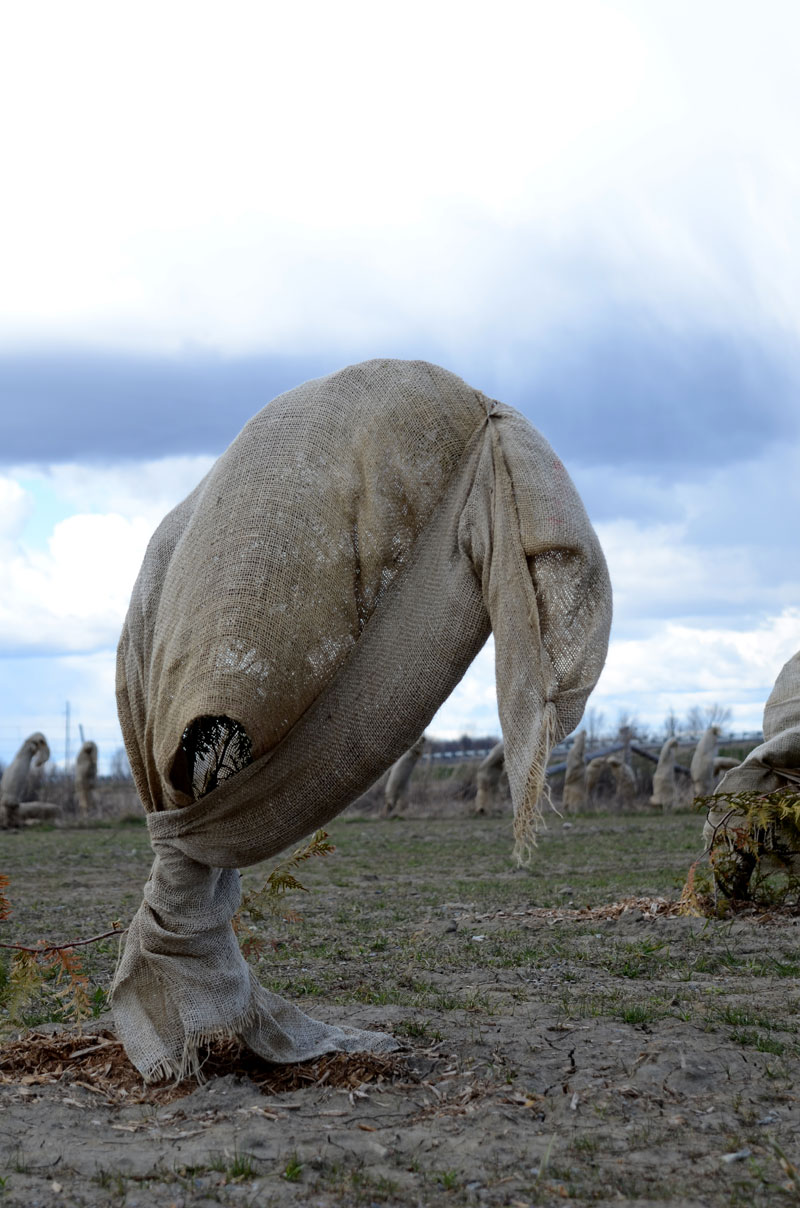 Some of them are looking rather defeated. Who will come and start the unraveling?
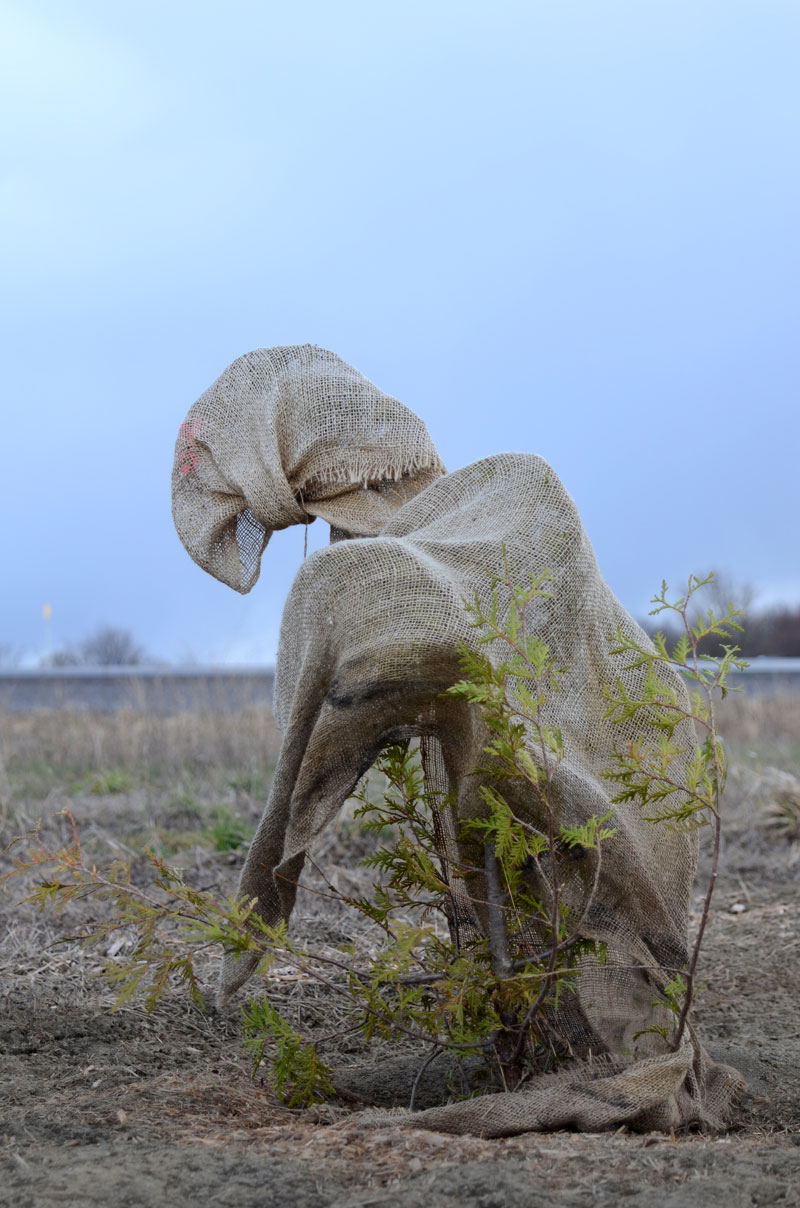
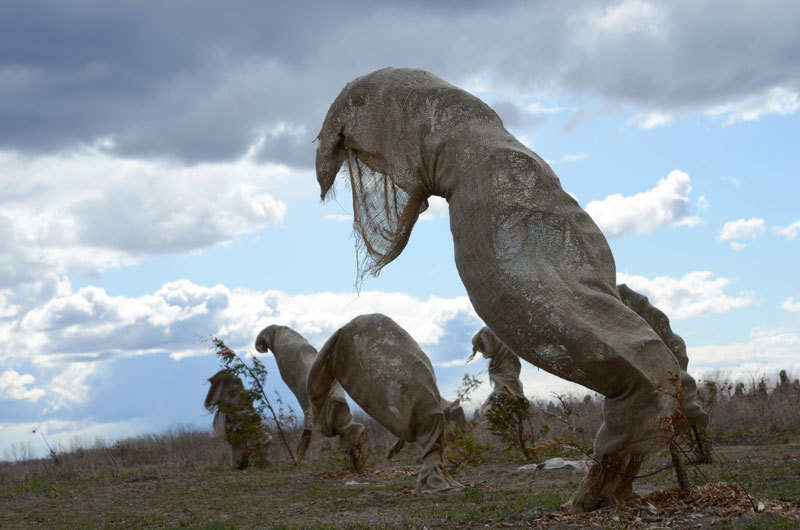


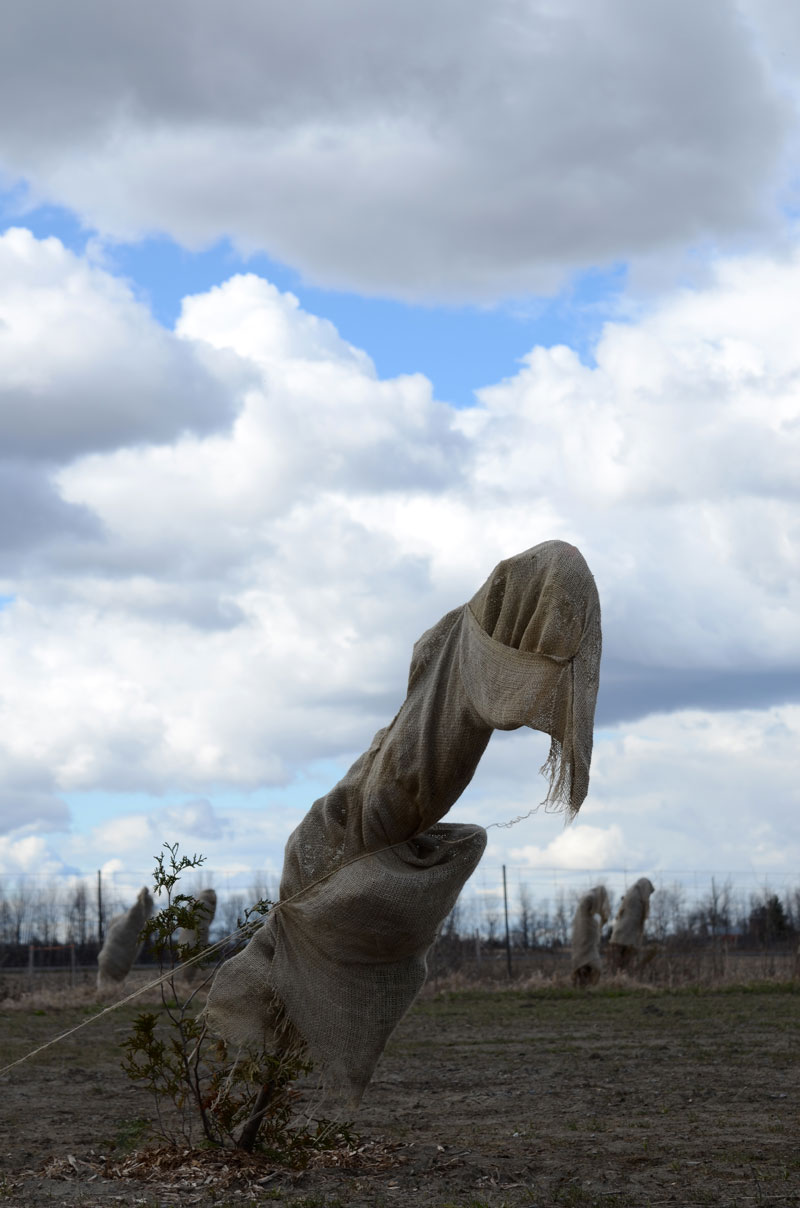
 *All these trees are as I have found them, along the highway and wrapped for the harsh winter. I have been documenting them through the seasons and you can find the whole series here.
All images © Karen McRae
Landfill
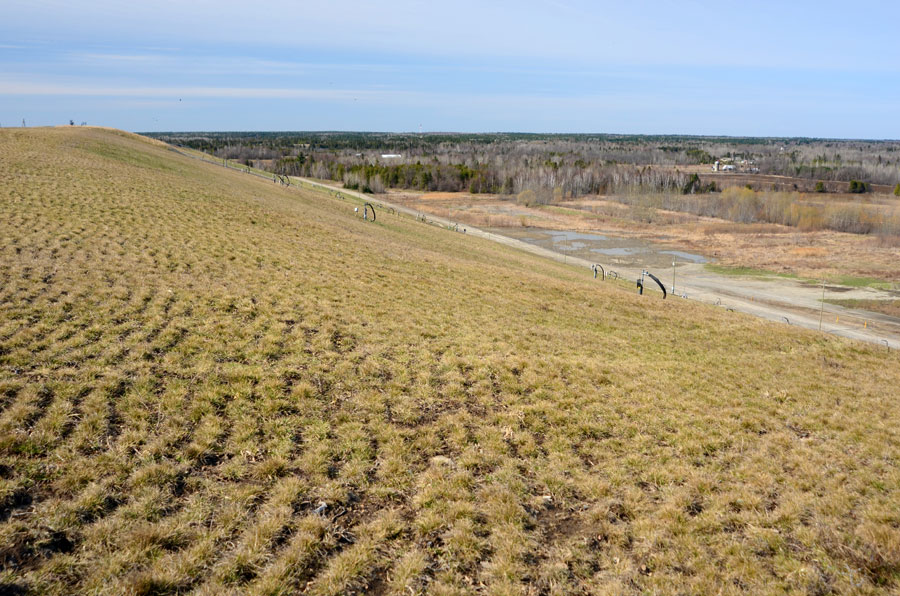
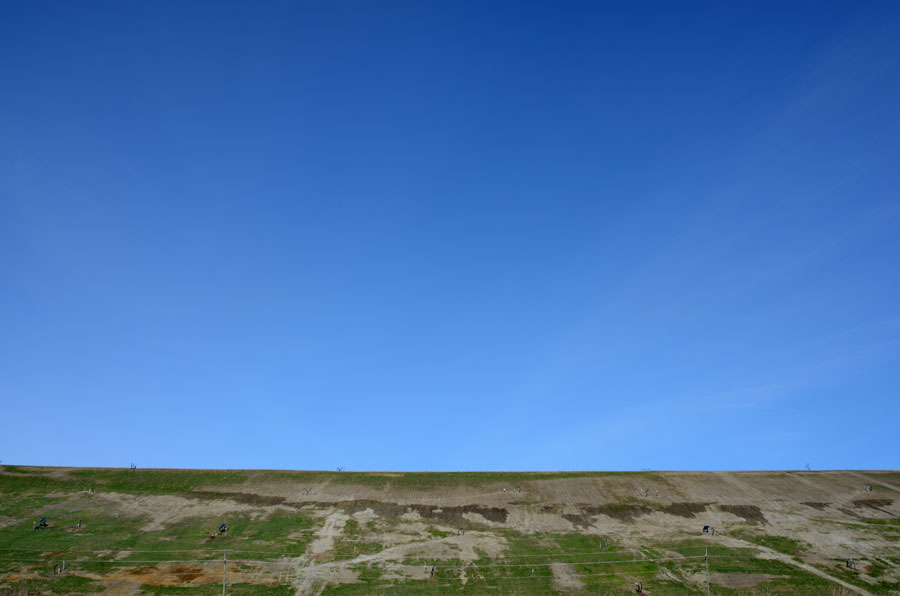
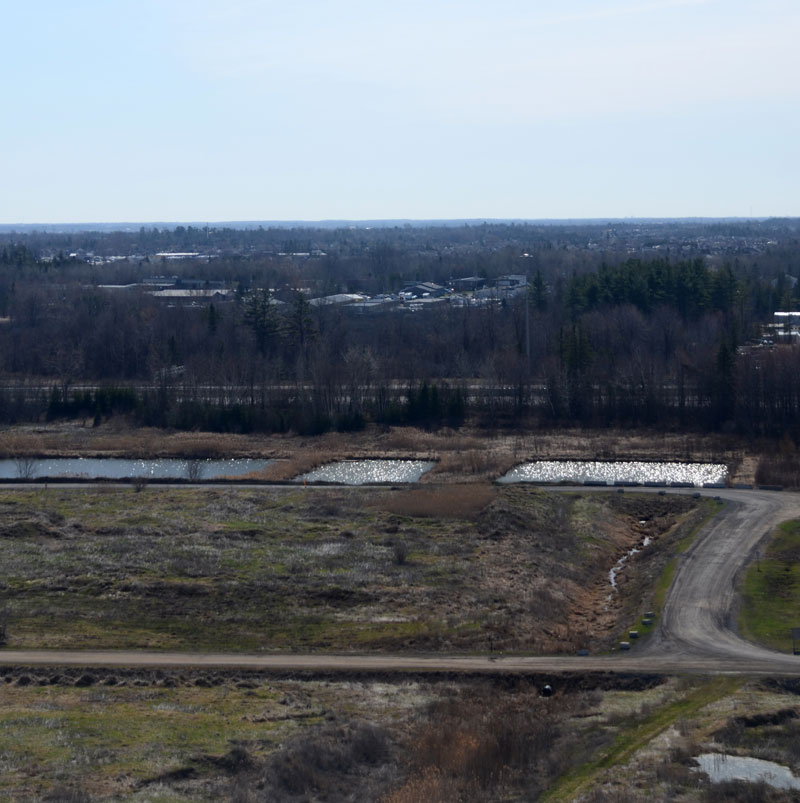
These are images from my first visit to a site where I am working on documenting the land. I wasn’t initially going to post these as I consider them to be snapshots really, quick reference images for the start of the project but I now see some value in them, even if it’s just for myself. A small introduction:
 It is strange perhaps, to be intrigued by a landfill. In a way it is an interest 20 years or so in the making. Twenty years of driving by; observing, passing glances, fleeting questions. Images stuck in my head.
I pass no judgement on this place. I only want to get a sense of it, to understand it and to learn. In a way I know that part of me is already here. A cast-off part. I am one of the small bones in the spine of the ridge that makes up this place. I am implicated.
There is also a beating heart to this place. We have shaken hands. We share a respect, for the landfill, for each other. The beating heart and the fragment of spine have an understanding. I am after the beauty of it. I’m not sure how this will unfold exactly…


All images © Karen McRae
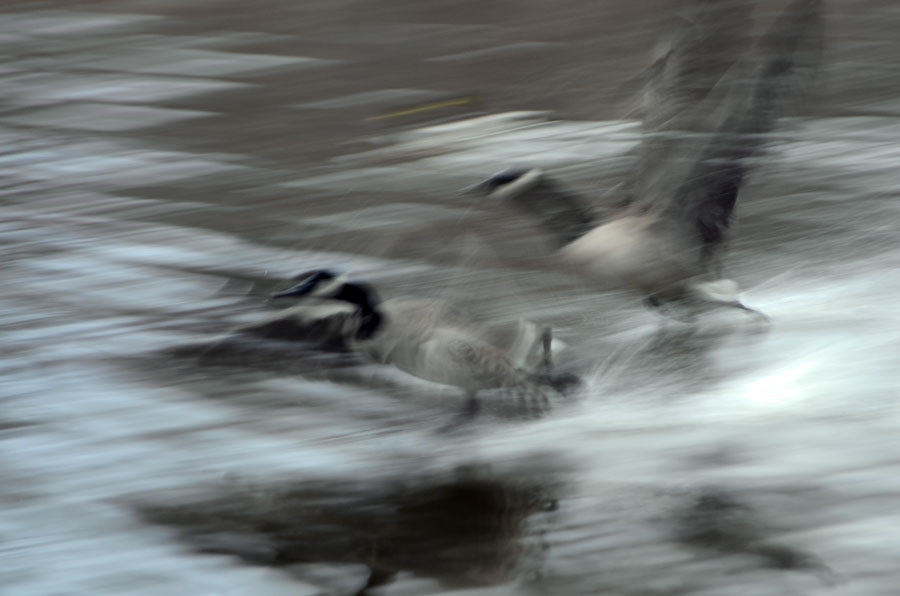
Sedimentary Skies and a Sketchy Landing
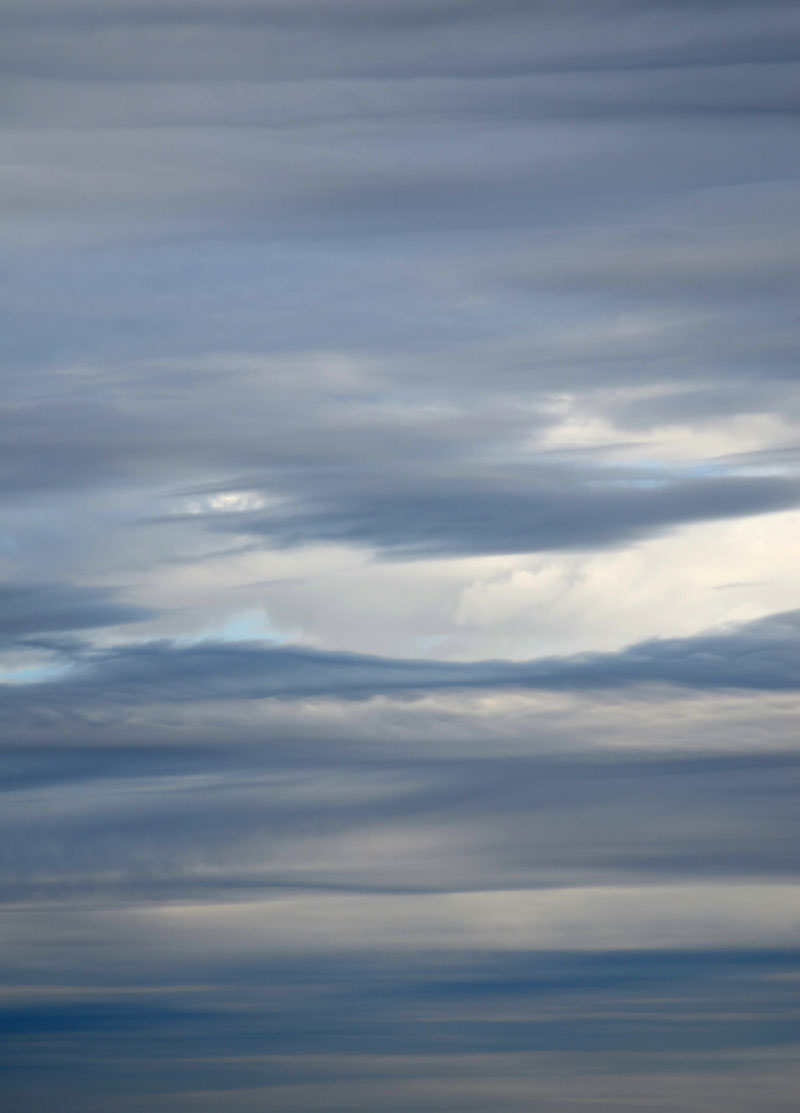
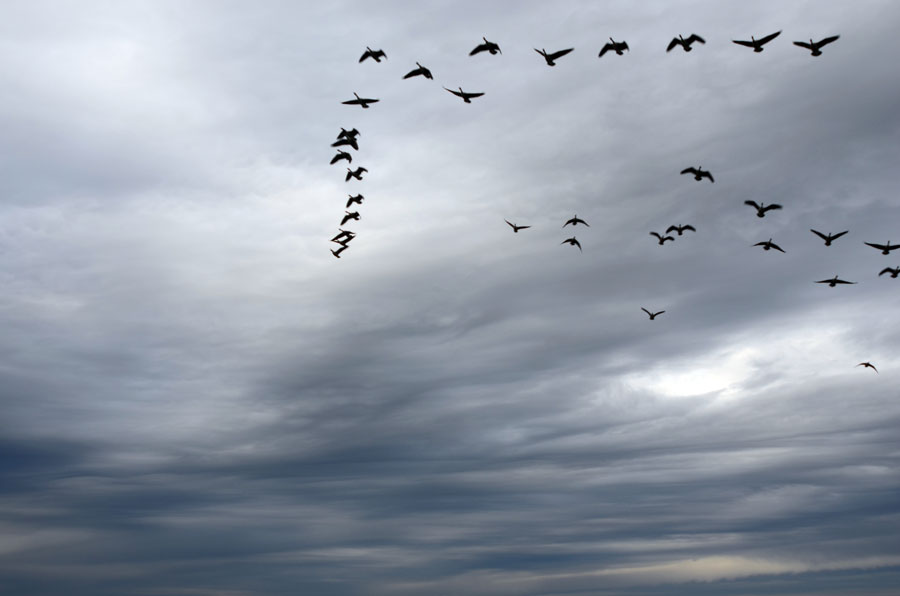
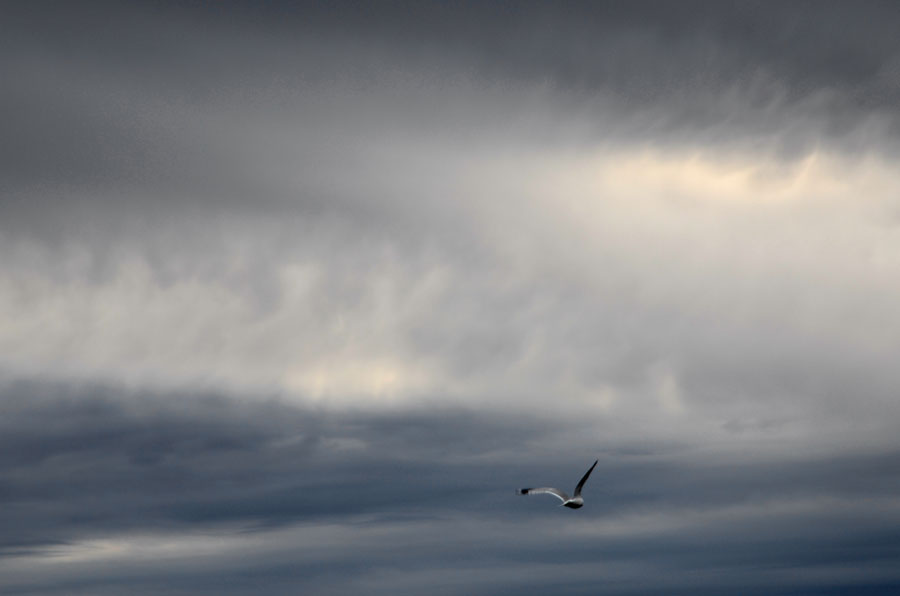
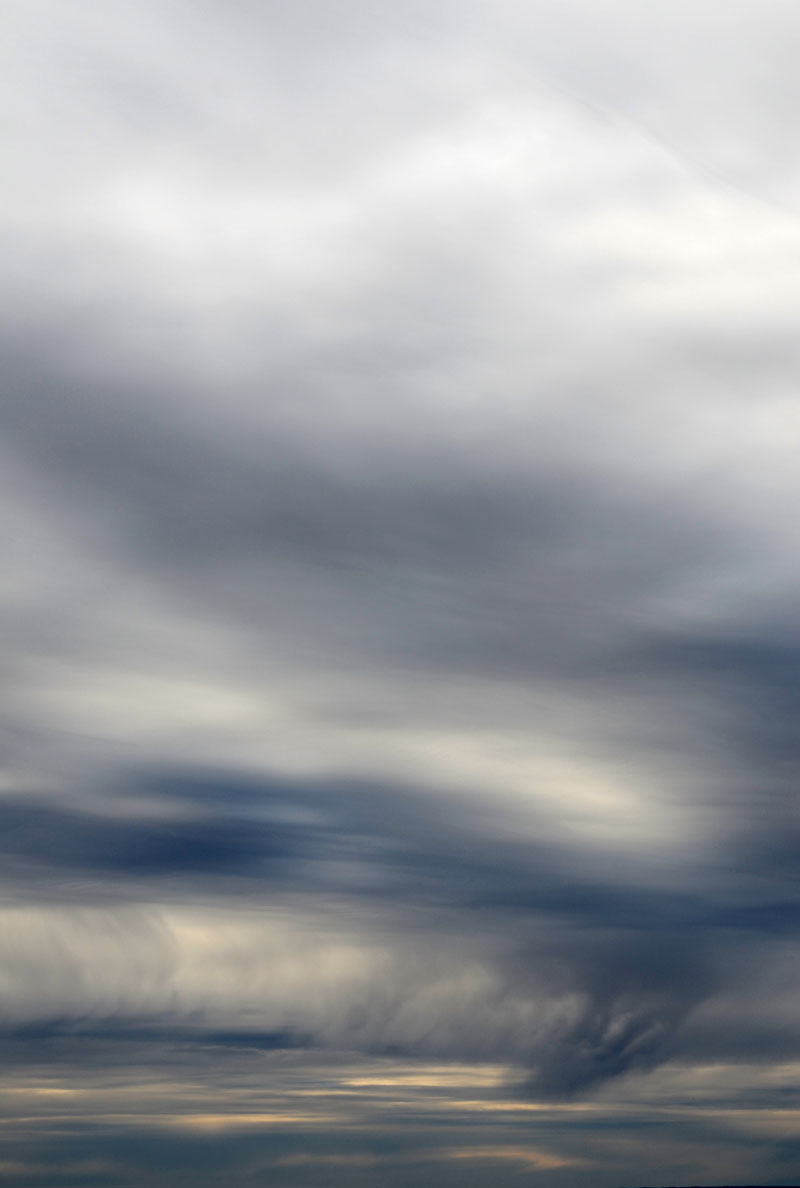

All images © Karen McRae
A Residual Winter Breath
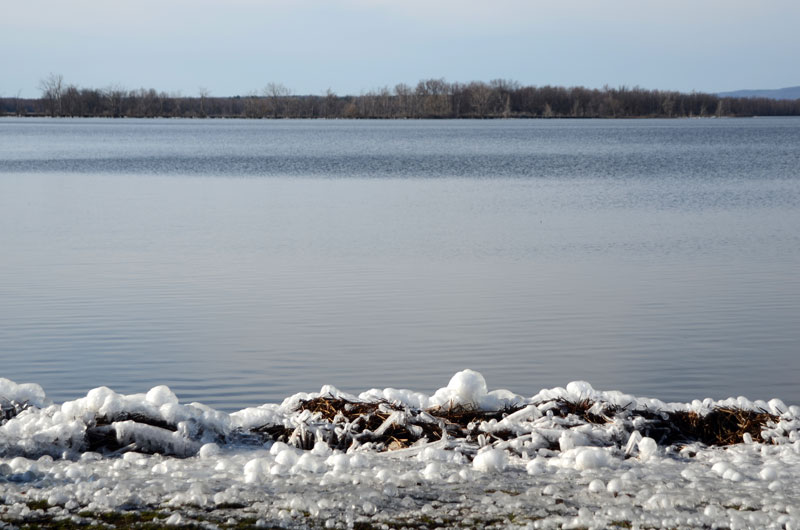 Our temporary “summer” has been replaced by more normal seasonal temperatures.
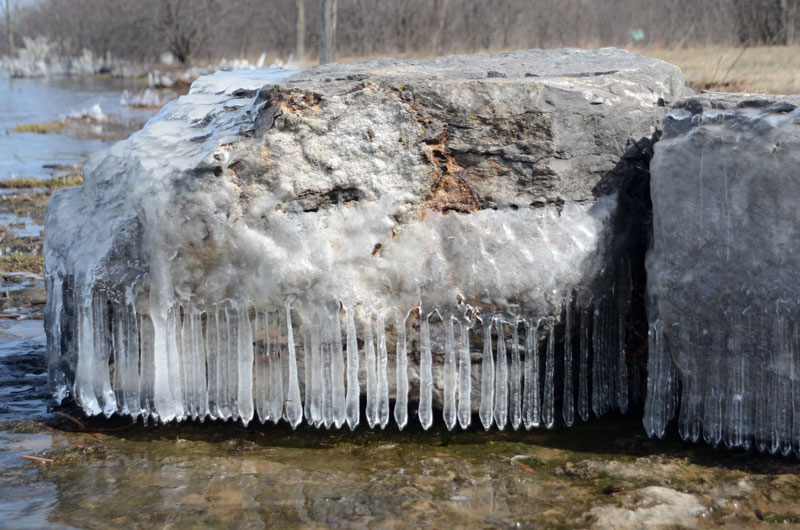
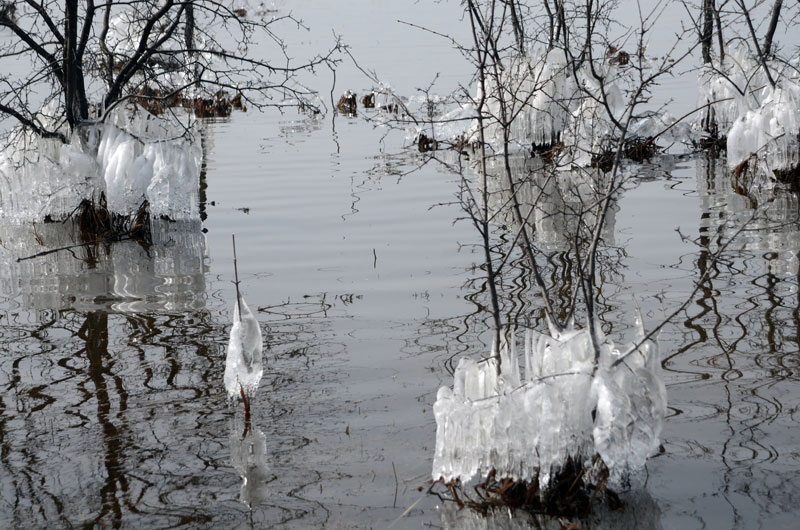
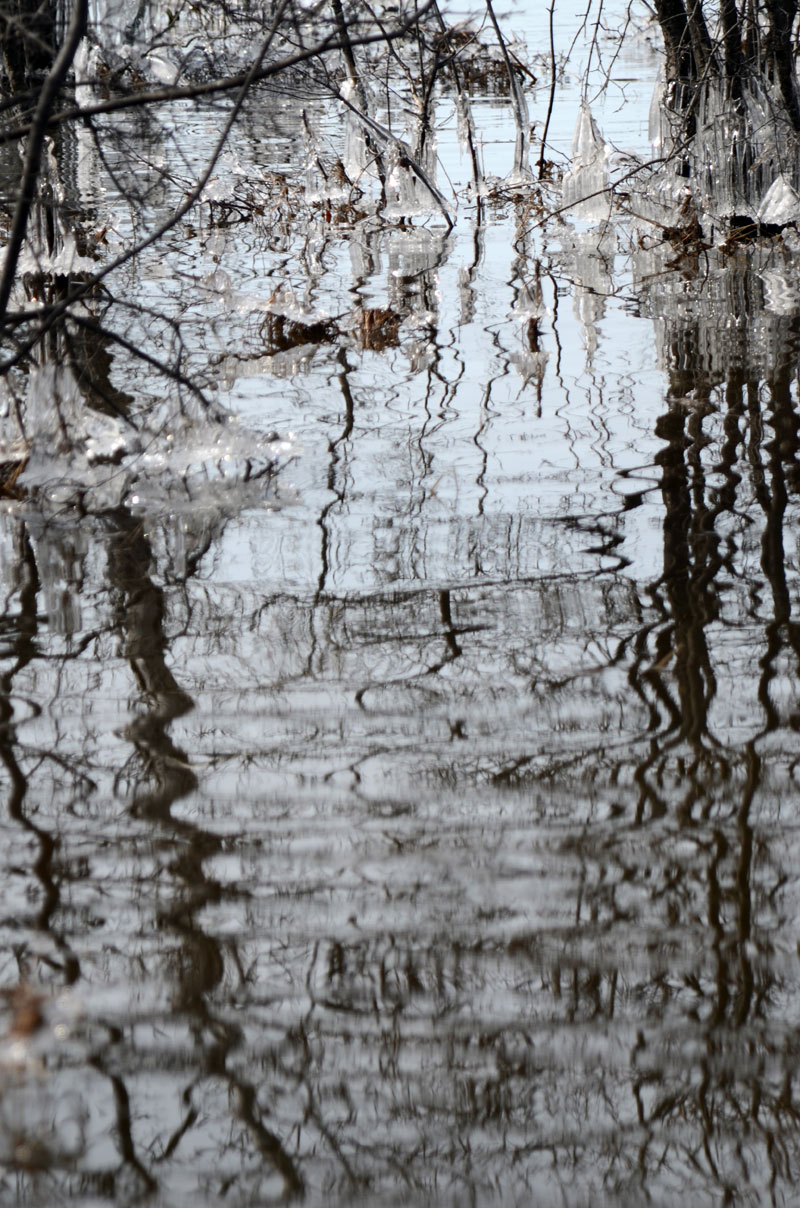
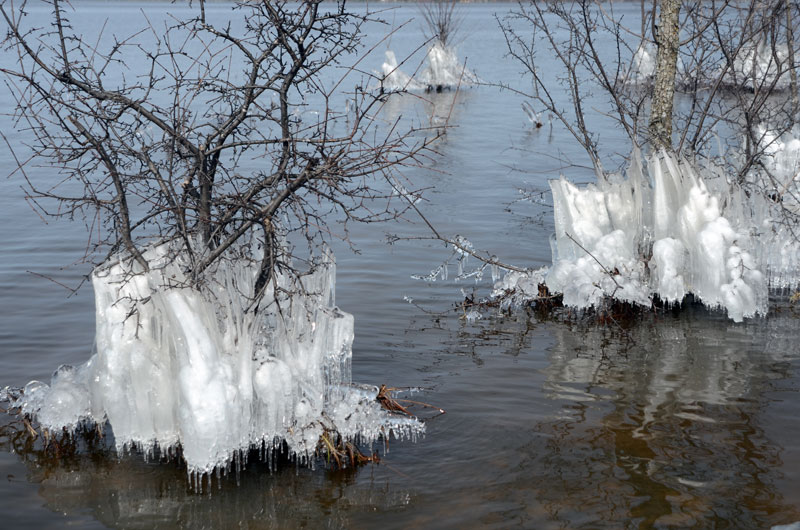
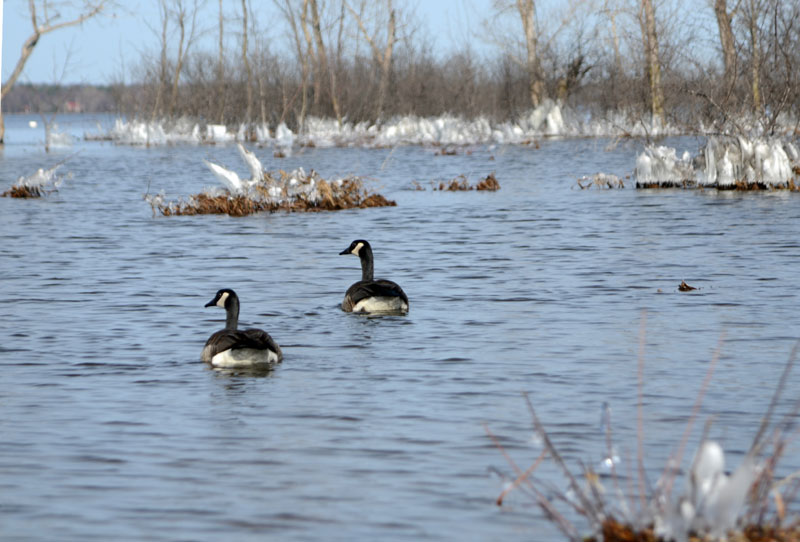
A windy breath of -10° c overnight drove the waves and spray up on to the sloped shore of this bay resulting in a strange and magical landscape when I came upon it yesterday. Not that long ago the ice fishing huts resided in this wide bay.
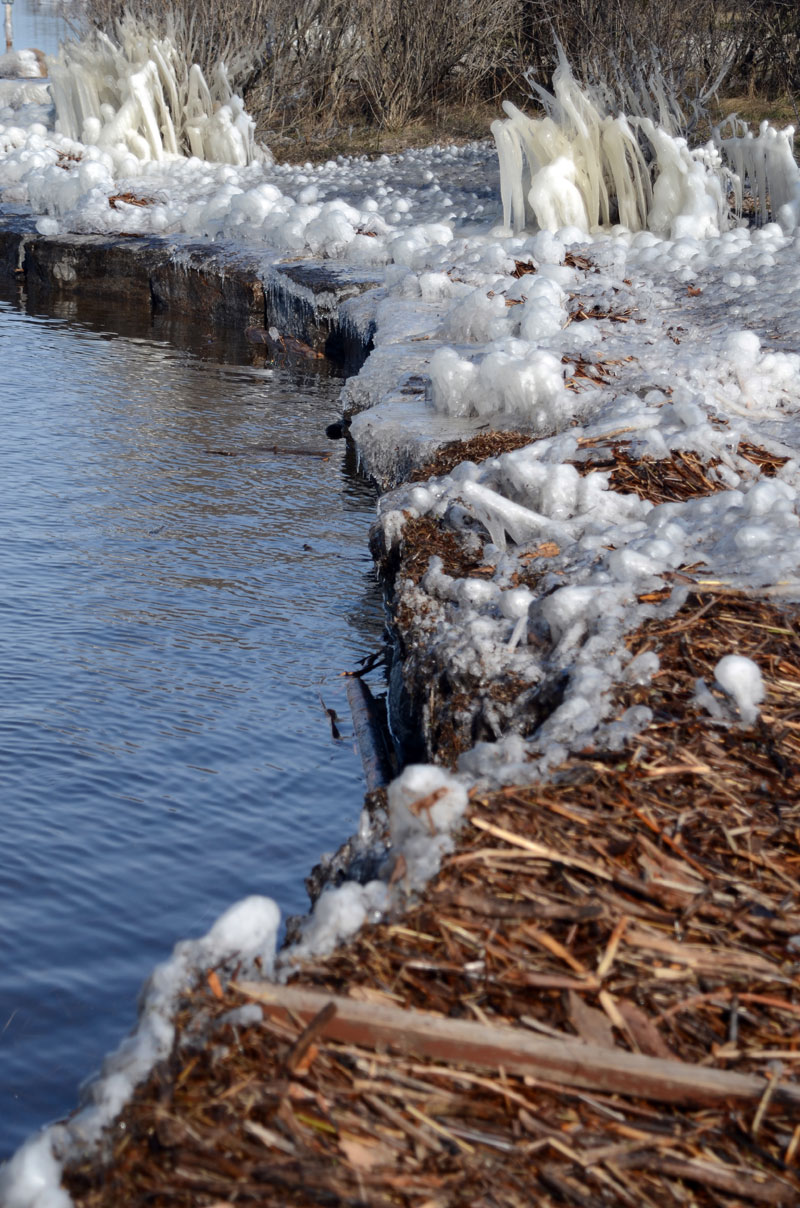
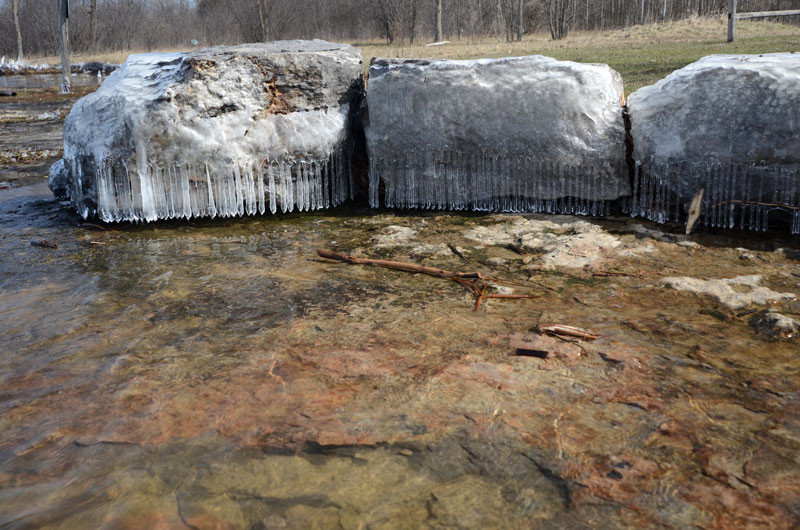 The perfectly ice-upholstered and fringed rocks along the shore.

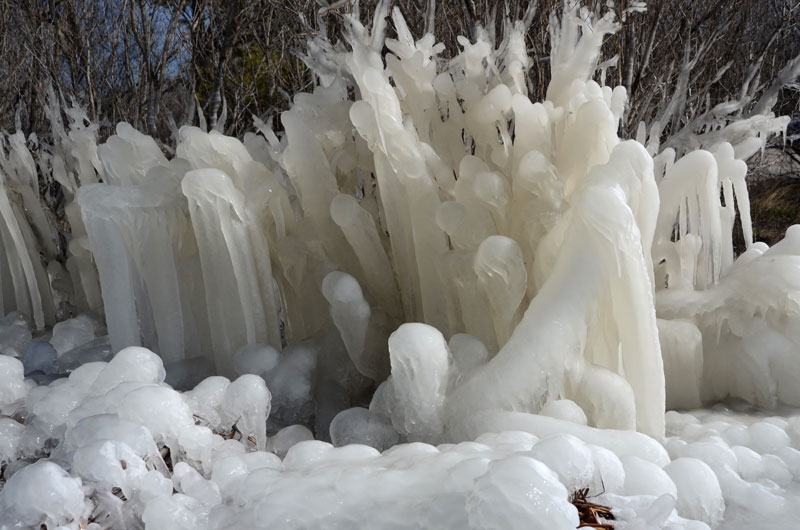
Surreal spaces…
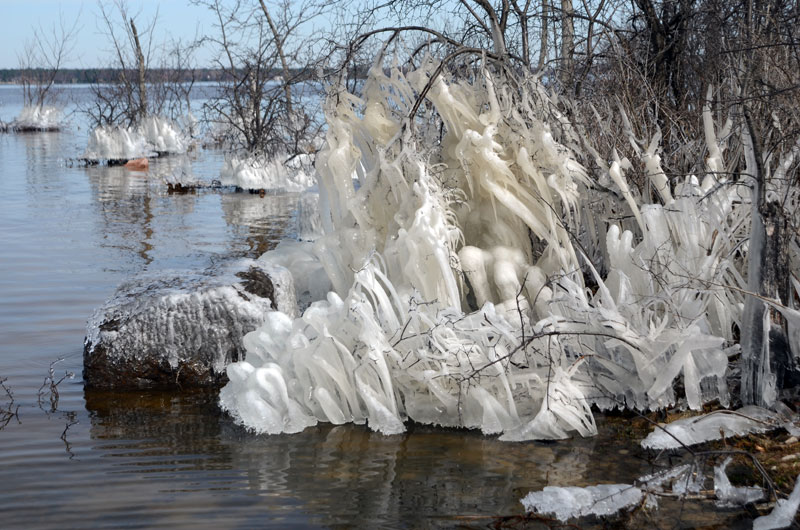

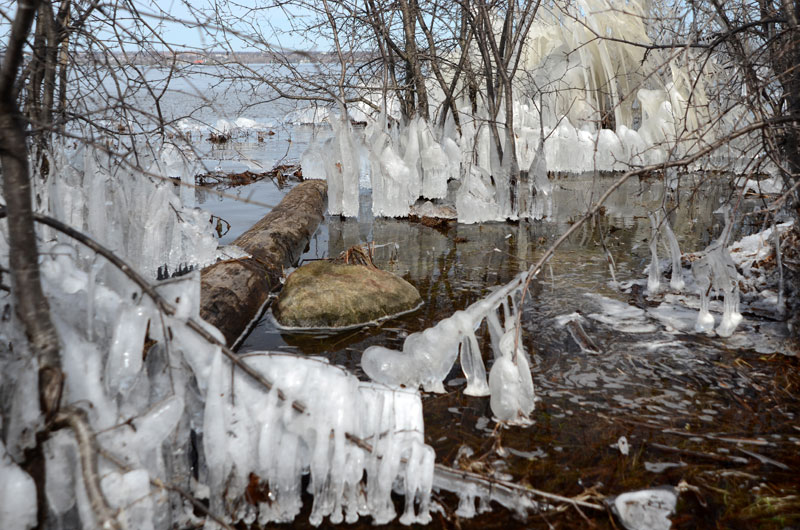

Although this place is quite removed from the city and looks idyllic and peaceful there is a strange juxtaposition of bird song and intermittent rapid gunfire from the nearby rifle range. It all feels rather surreal as I wade through the water in high rubber boots; a strange shore bird among chandelier skirted trees.
 Shirley’s Bay, Ottawa River
All images © Karen McRae
The Ephemeral and the Enduring

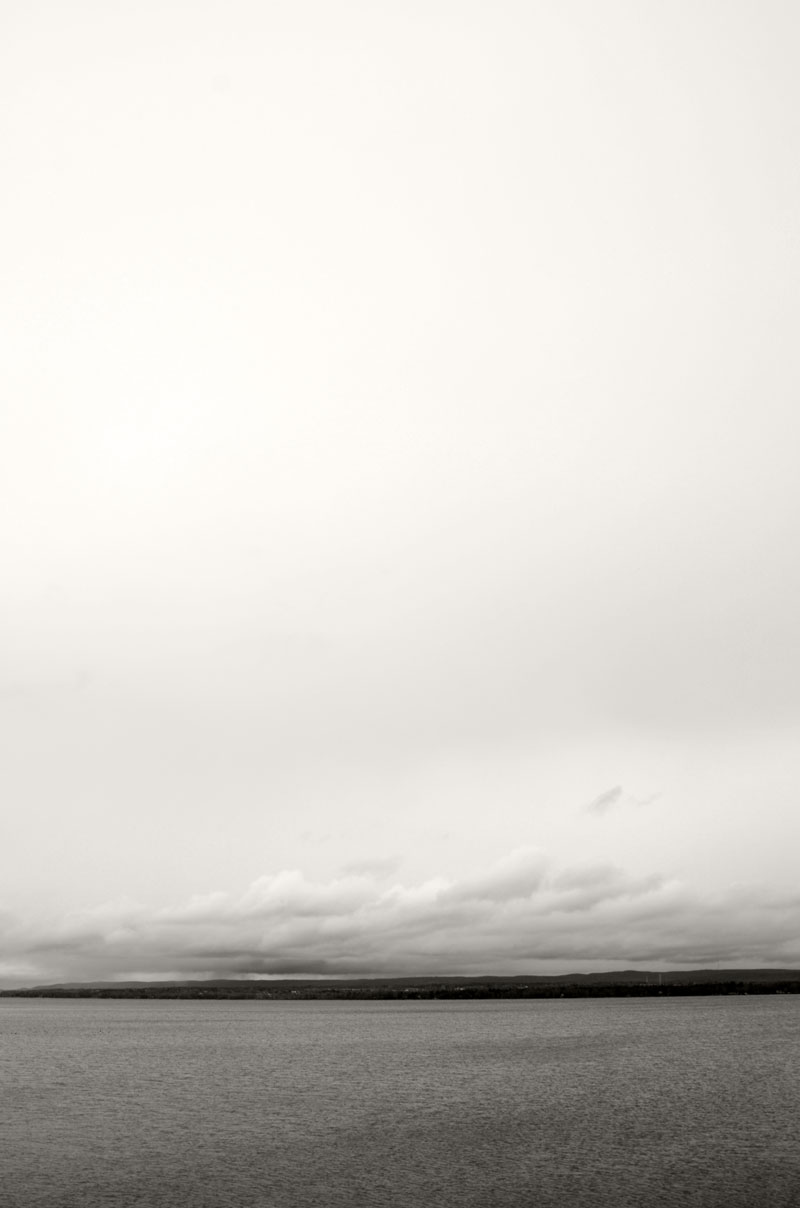
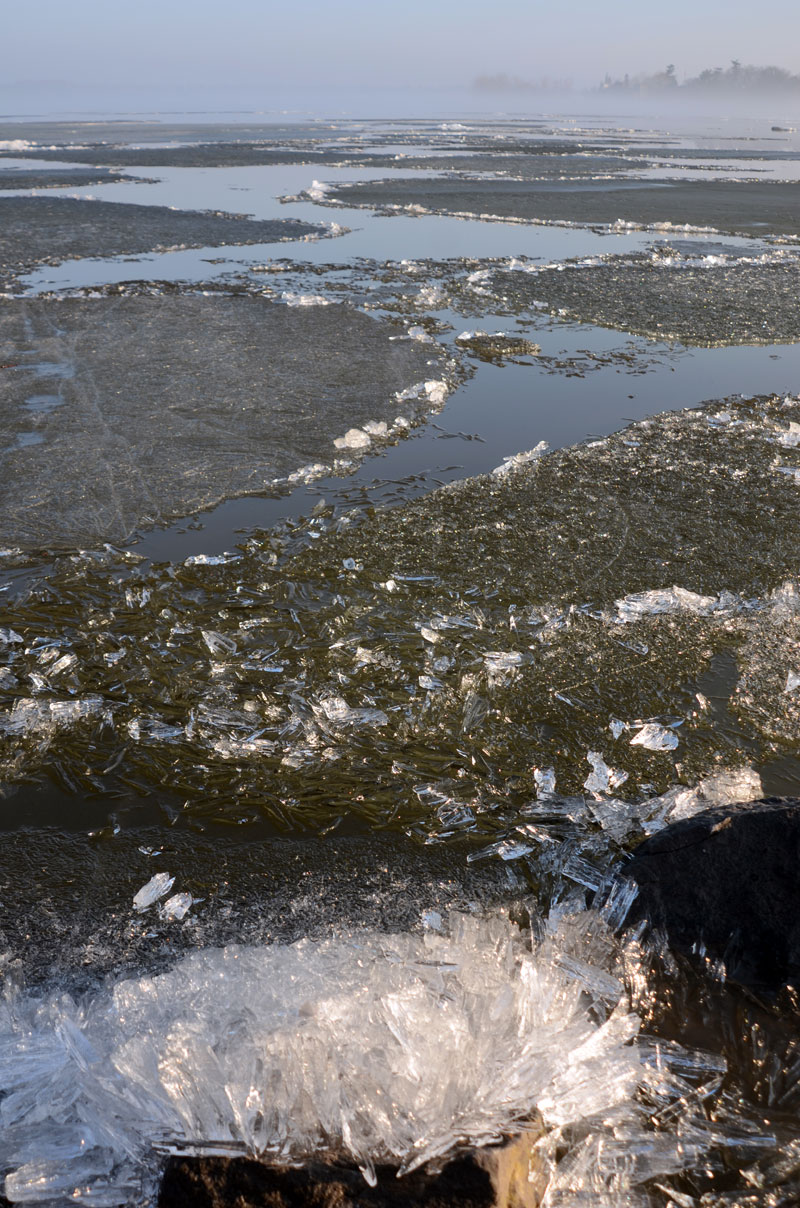
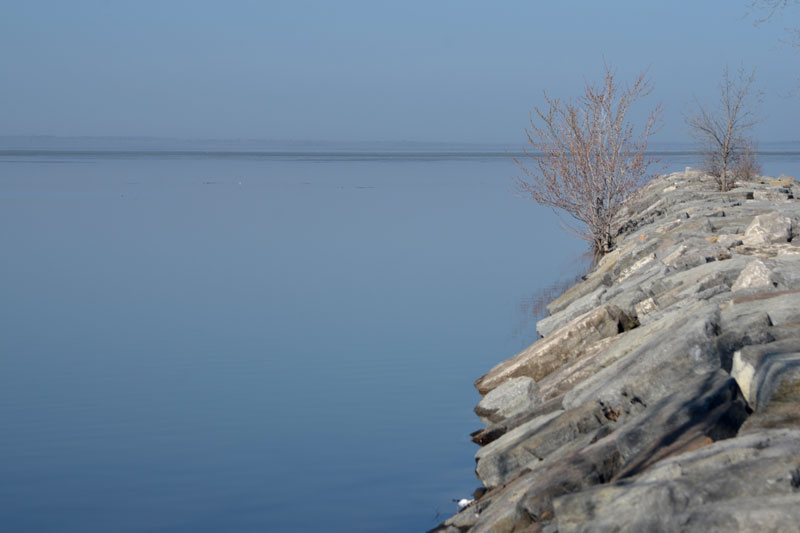
 This is what it looks like walking out to the breakwater. A still quiet morning with the only sounds being a gentle hum of the slightly removed city and the many birds. Misty water and muted colours.
As you walk further out to the boulders another quiet sound becomes apparent. The sound of what is left of the ice gently coming apart as it sways onto the rocky edge of the breakwater. A scattering of pops and cracks. It has turned into candle ice, columns of ice perpendicular to the surface of the water that easily break apart from each other. There is some pushed onto the shoreline and I pick it up and listen to it fall back into the water and onto the rocks. A sound like tinkling glass. A sound, I think to myself, that will not last the day.
The last few sheets of ice are melting quickly in the warmth and moving slowly towards the rapids just downstream. It has been a quick melt.


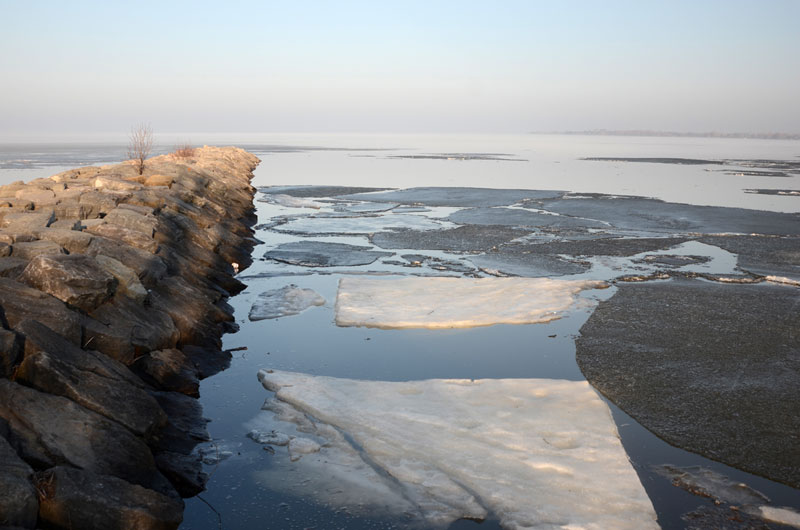 I am standing on the large limestone boulders that make up the breakwater. In stark contrast to the fleeting ice they are ancient and enduring. They are also generously scattered with visible fossils. Fossils that are of Ordovician origin, which makes them somewhere around 450 million years old!
I only know this because I have had a collaborator for this post. Paleontologist Graham Young and author of the excellent blog Ancient Shore very kindly identified the fossils I photographed along the breakwater. Graham is Curator of Geology and Paleontology at the Manitoba Museum in Winnipeg.
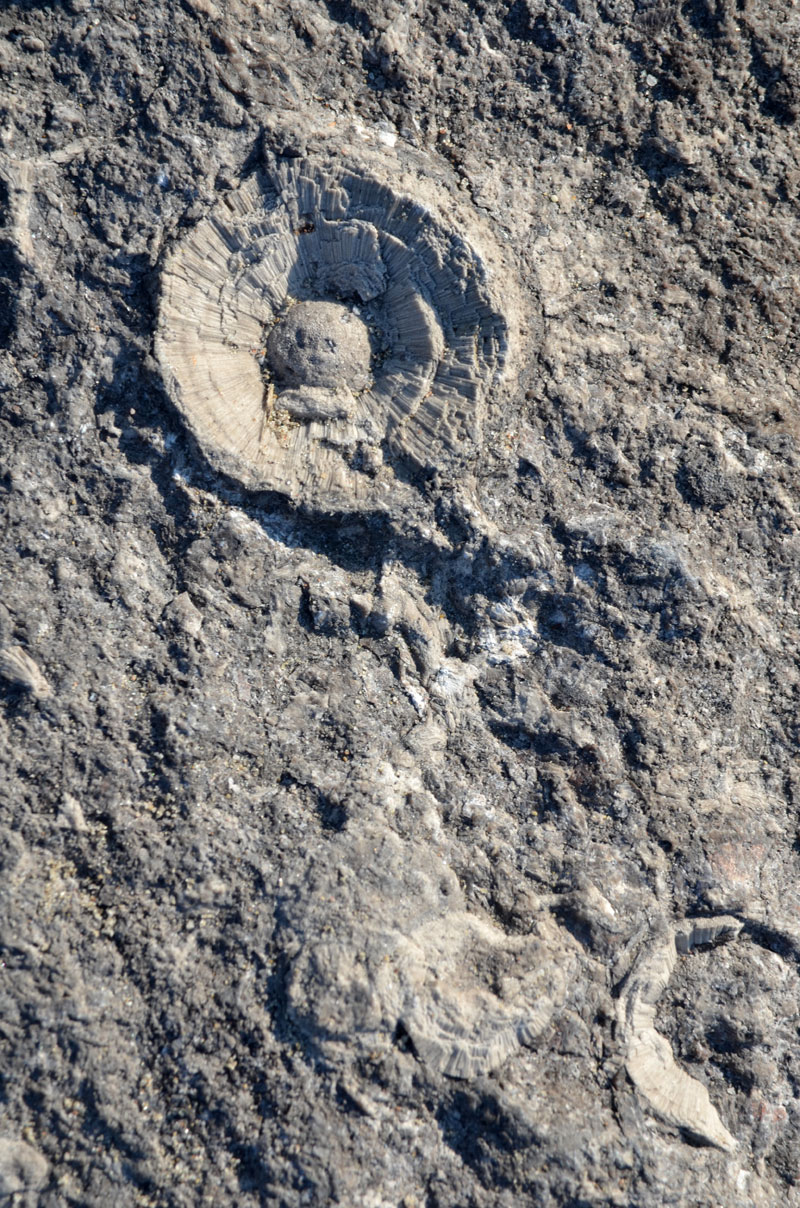 These appear to be rounded bryozoan colonies that have been broken open. Bryozoans are aquatic invertebrate animals that live on the seafloor.
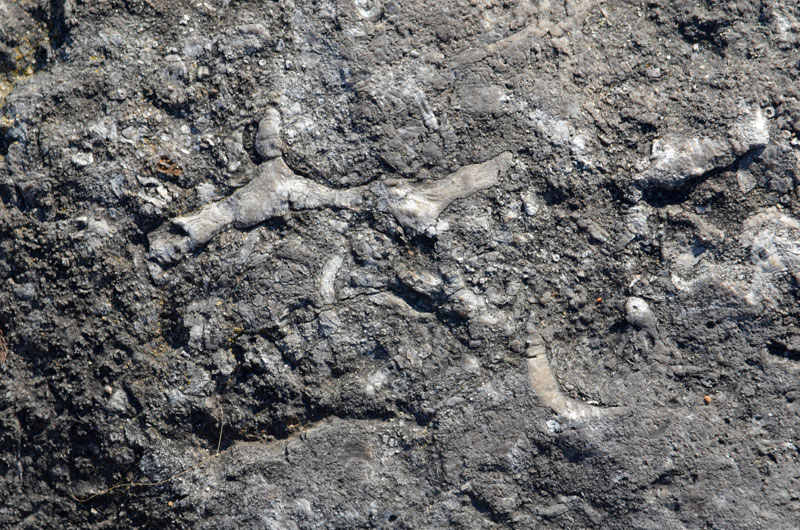 Branching bryozoans are mixed up with a lot of other debris, including echinoderm stem segments, probably from crinoids or sea lilies (these are the little donut-shaped fossils)
 The shells are rhynchonelliformean brachiopods (lamp shells)
 More bryozoans, again in a bed of mixed fossil debris.
 I’m not sure about this circular structure; it is probably a badly preserved bryozoan.
 These appear to be burrow structures (trace fossils), which stand out because they are better cemented than the surrounding muddy material. They would have formed as burrows in the seafloor, perhaps made by arthropods.
 A large batch of bryozoans. These are very neat because they have been “nested” together, possibly as a result of movement by currents after death.
 A large straight cephalopod, related to the chambered nautilus. Imagine a nautilus that has its shell stretched out, rather than coiled.
 A glance back.
* Fossil descriptions by Graham Young with some editing by me.
Thank you Graham!
www.ancientshore.com
All images © Karen McRae
 draw and shoot