
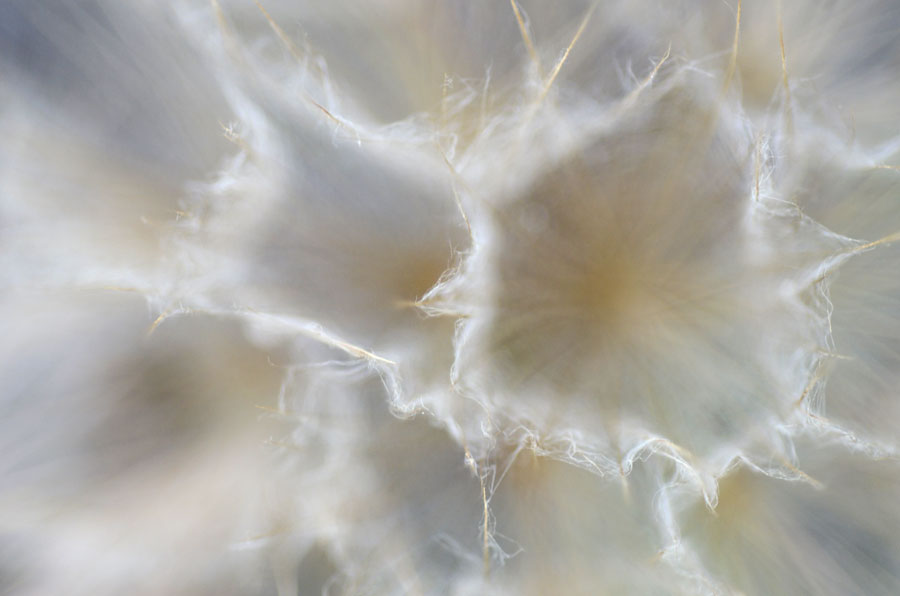
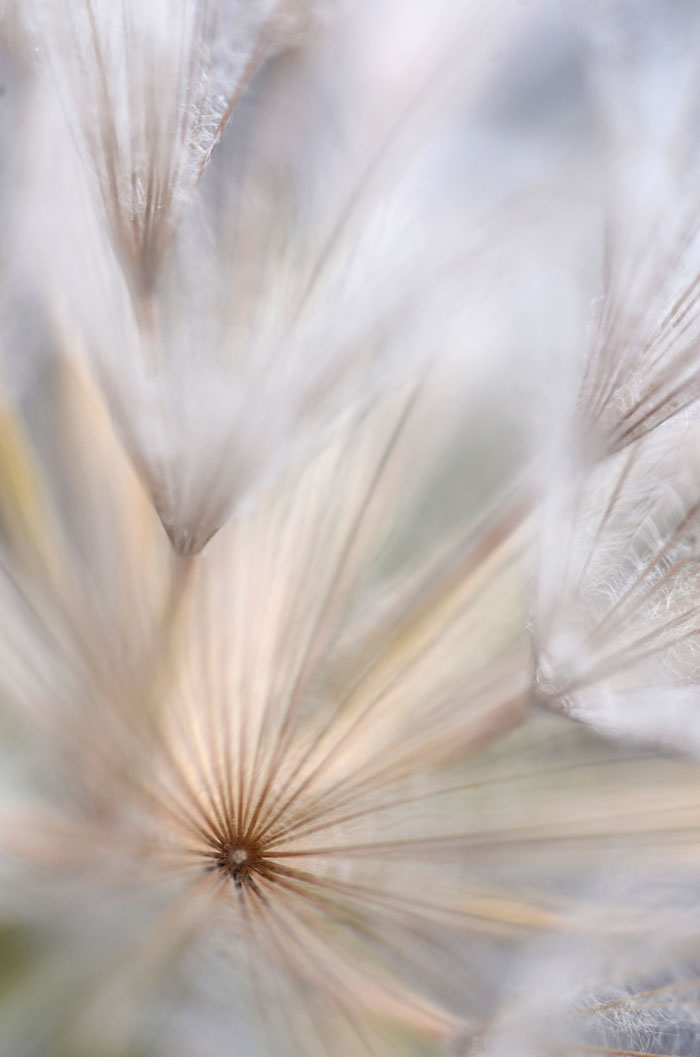
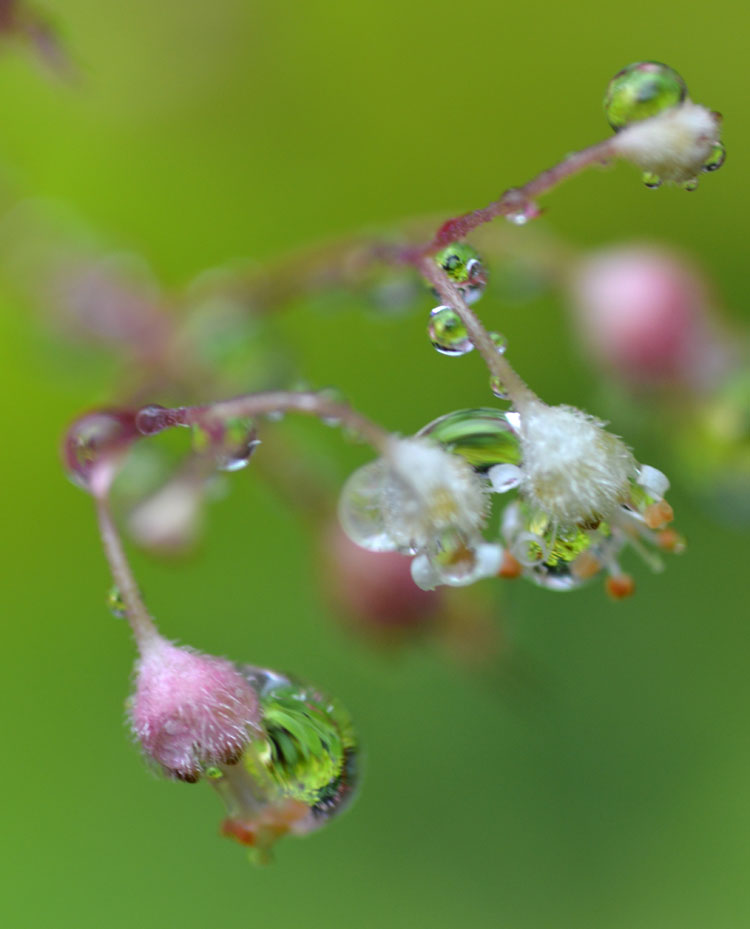
 I‘ve had several inquiries about how I go about photographing macro flora images to achieve the look that I want, so I thought I would share a few techniques here. This particular set of images are all from one type of flower in my garden that is currently going to seed and I am not sure what it is, actually.
I’ve mentioned before how I find the shifting forms of seed heads so visually interesting, but also I am interested the whole idea of transitioning and transformation in nature.
When are we not in transition?

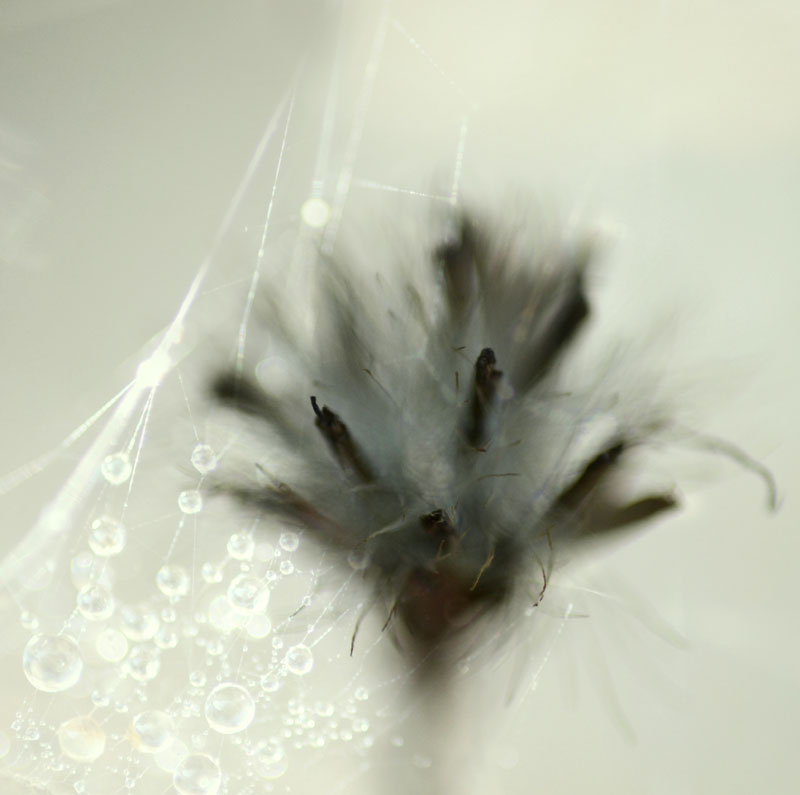
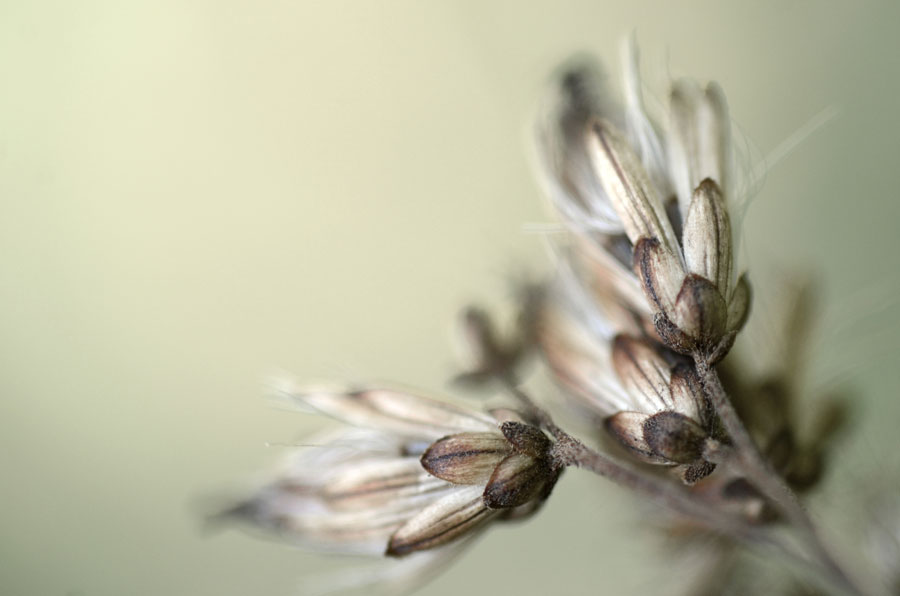
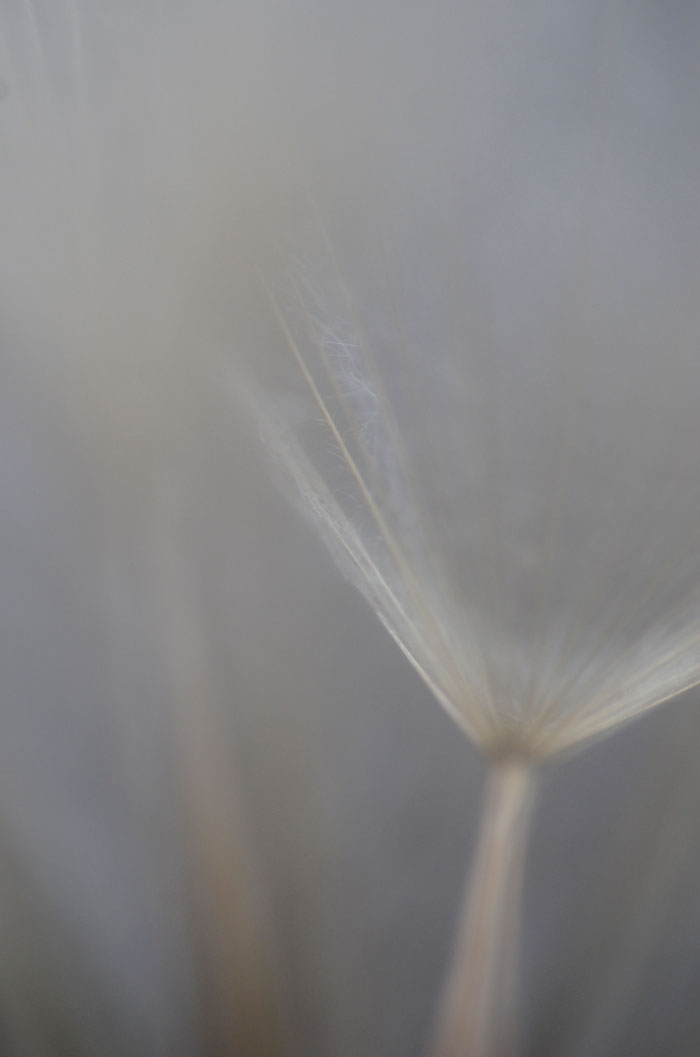
 The seed head series that I’ve been working on generally have light backgrounds and subtle lighting on the subject. How this is done is quite simple. All of these particular flora images are taken outside but I am using indirect back-lighting and shade to bring out a little bit of mystery. I also am using the smallest depth of field I can and keep the lens in the manual adjust mode for control over where I want to focus.
The subject is usually photographed in indirect light. So if I need shade I will create it by blocking the sun with my body, however I am always looking for a lighter background than my subject so I frame the (shaded) subject in front of a background area that is brighter, such as sunlit grass or rocks, or whatever is nearby. I experiment with various strengths of light and shade as I’m working to find the look I want.
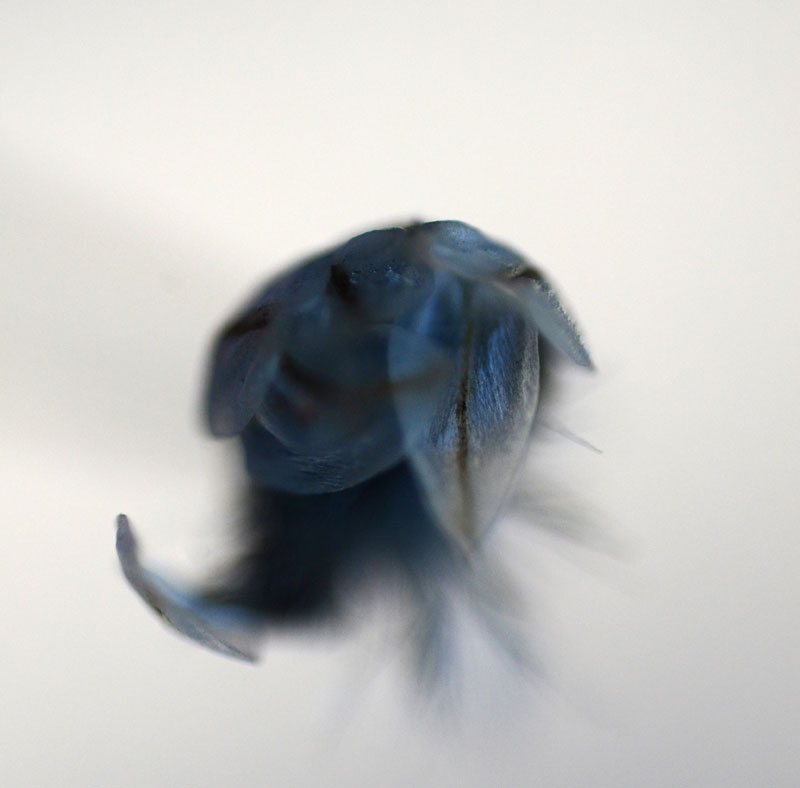
In the images you see here the light backgrounds are actually the sunlit rocks from around my flowerbed. If I was using lit grass as my background, the colour behind the seed head would be a green or yellow, and the colour of the subject might shift also. I love the blues that come out in the greyish seed heads when they are shaded in this way and have a more neutral background colour.
I also find it fascinating how the forms sometimes come out looking like insects, or other creatures. Well to my eye, anyway…

 I often shoot early in the morning or late evening for warm and interesting light, but one of the things I like about applying these techniques is that even in the harshest noontime light you can still find a way to make a little magic.
 To see the rest of the series, click here: In Transition: Seed Head Series
All images © Karen McRae, 2012



























 draw and shoot