Foxtails & Sedges

Grasses_River'sEdge4

Grasses_River'sEdge2

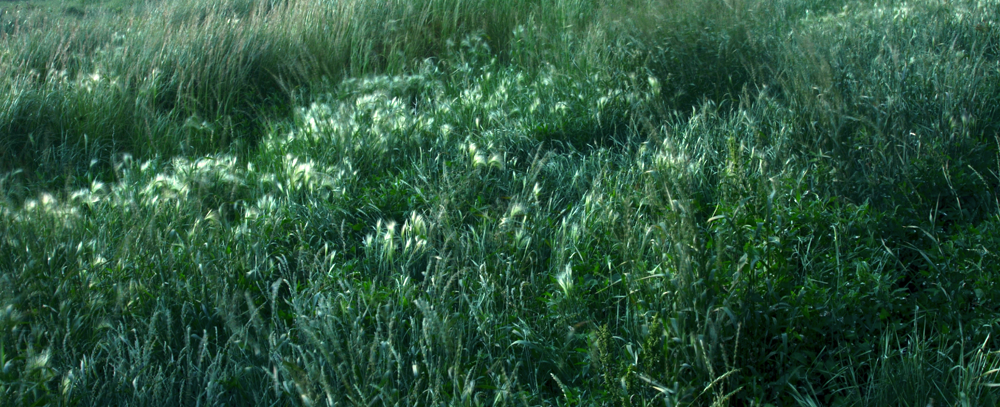
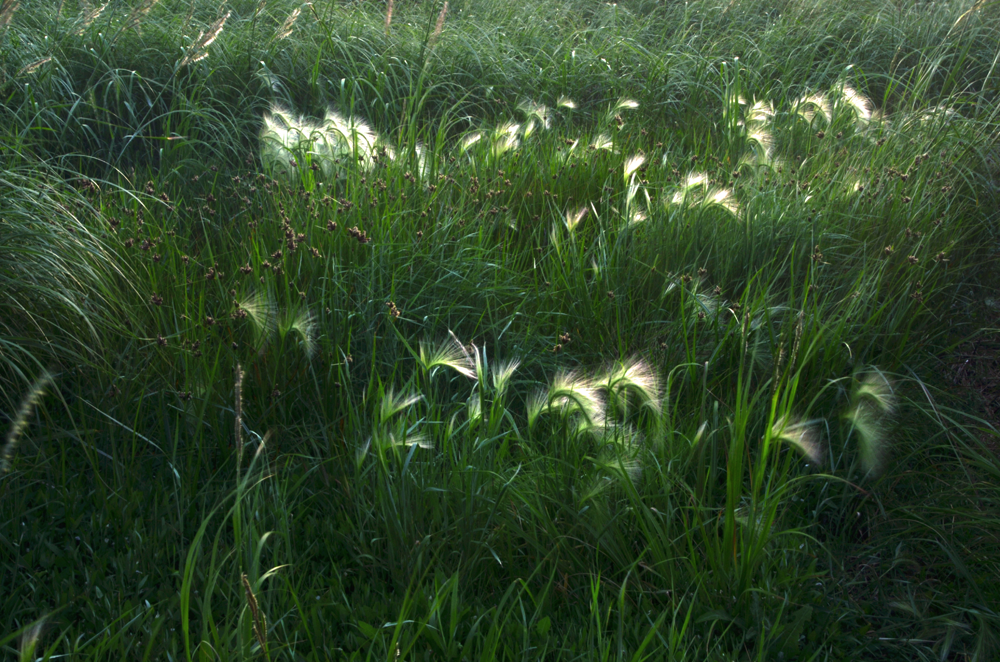
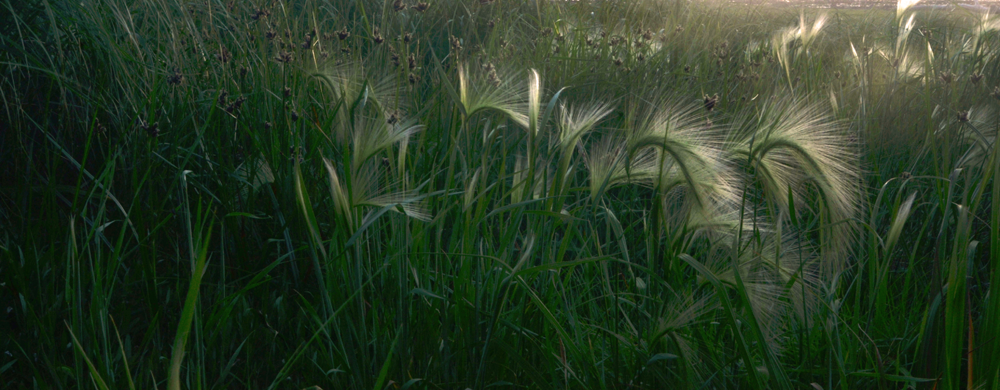
Grasses_River'sEdgeFoxtails, sedges, and other grasses in the saline wetlands along the St. Lawrence River

I have been somewhat enchanted with silky foxtail barley since I was a child but these ones seemed particularly luxurious rippling in the saltwater breezes at the end of the day.  The light had mostly slipped away over the horizon so I made these photographs using long exposures (with the camera mounted on a tripod) hoping to capture a bit of movement in some of the flora.

© Karen McRae, 2014

Singing Sands

A September road trip, Part 1 ~ PartoftheLandscape2

PartoftheLandscape1

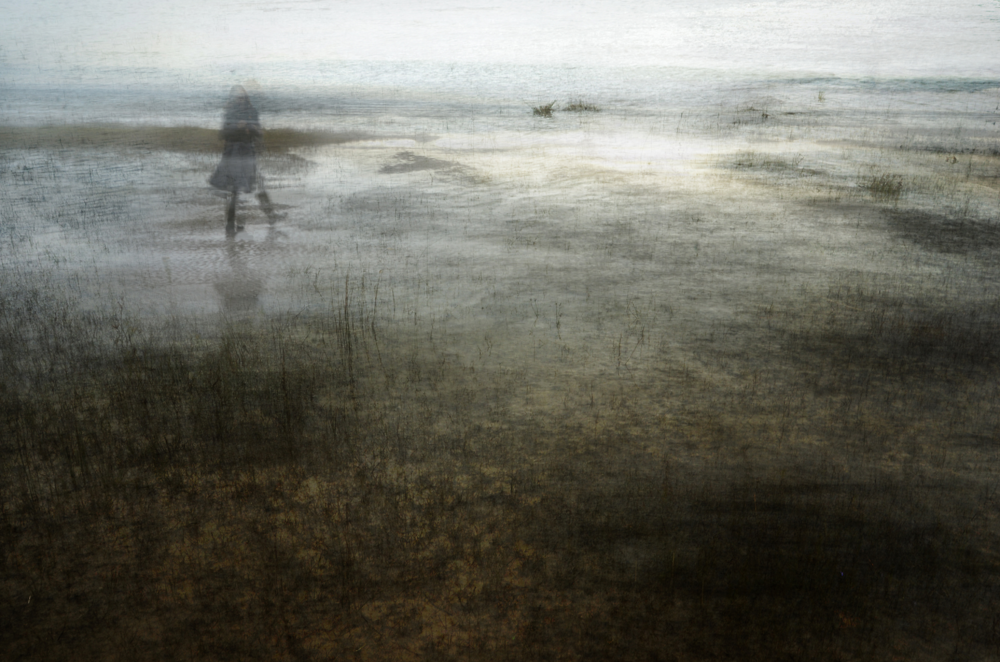
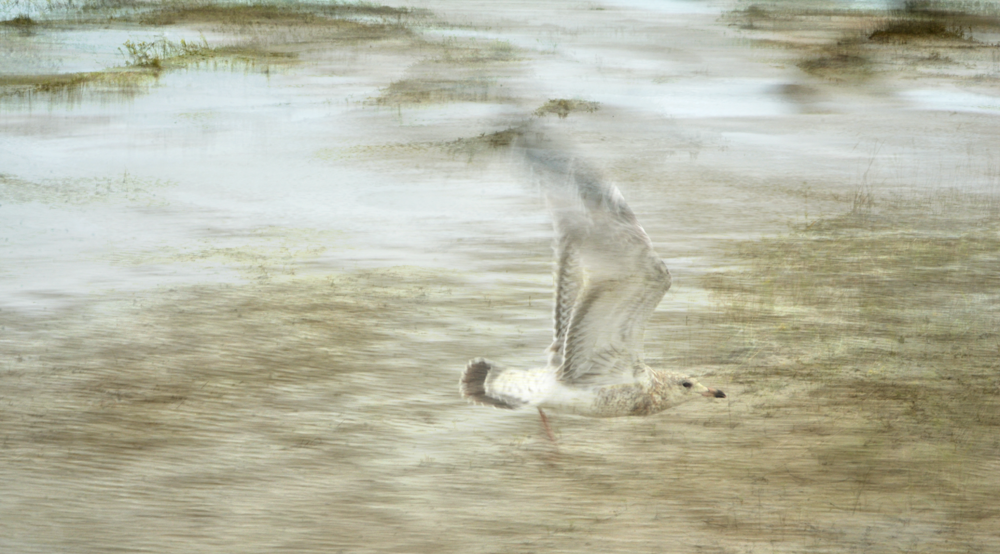
TakingOff_Ring-billedGullIt’s hard to think of a more beguiling name for a place than Singing Sands. Who could resist going when you find those words on a map? It’s here where the great Lake Huron breathes its cool water in and out, over the sands and the expansive fen, pushing and pulling like a small tide. Taking and leaving. Creating a landscape of rich and diverse flora and great beauty and peacefulness.

[Multiple exposures – some with camera movement – and layers of the landscape. Images made at Singing Sands (Dorcas Bay) in Bruce Peninsula National Park]

© Karen McRae, 2014

Purple Martin Stories

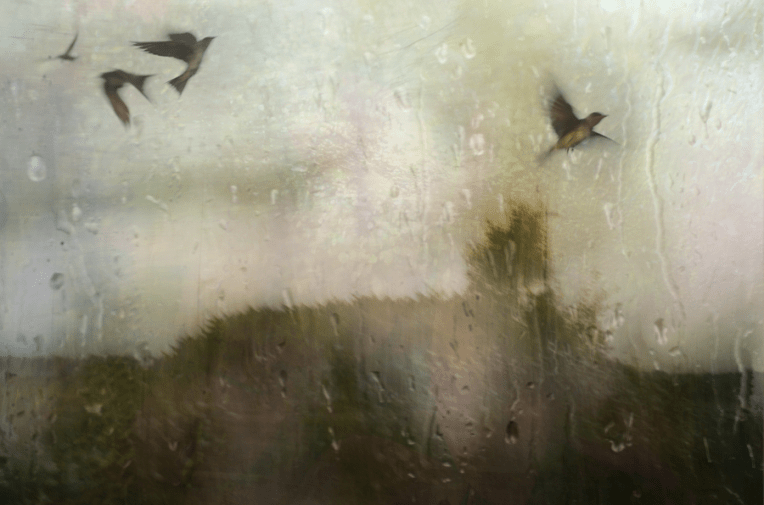
PurpleMartinsLandscapeThere are moments when it’s hard not to mourn the quick passing of the summer even though we are still in it. Cold rainy days that feel like they were borrowed from another month. A month like October.

And seeing that the Purple Martins have ‘left the building‘. Their summer nesting boxes empty – devoid of those beautiful summer sounds the swallows bring – the babies fully grown, independent. Eventually, hopefully, they will make it all the way to their winter home in Brazil, some of them banded and/or outfitted with tiny GPS trackers. Little winter ‘backpacks’ to tell stories of where they go. When they return in the spring the birds will be carefully caught and the tiny GPS devices removed. The number of Purple Martins is significantly dropping and it’s not really known why so, this data is hopefully a step in finding out what might be causing the decline in their population, and a step too, in finding ways to protect them. You can read more about the fascinating Purple Martin Project here and here on the Nature Canada website.

PurpleMartin_SunonWings

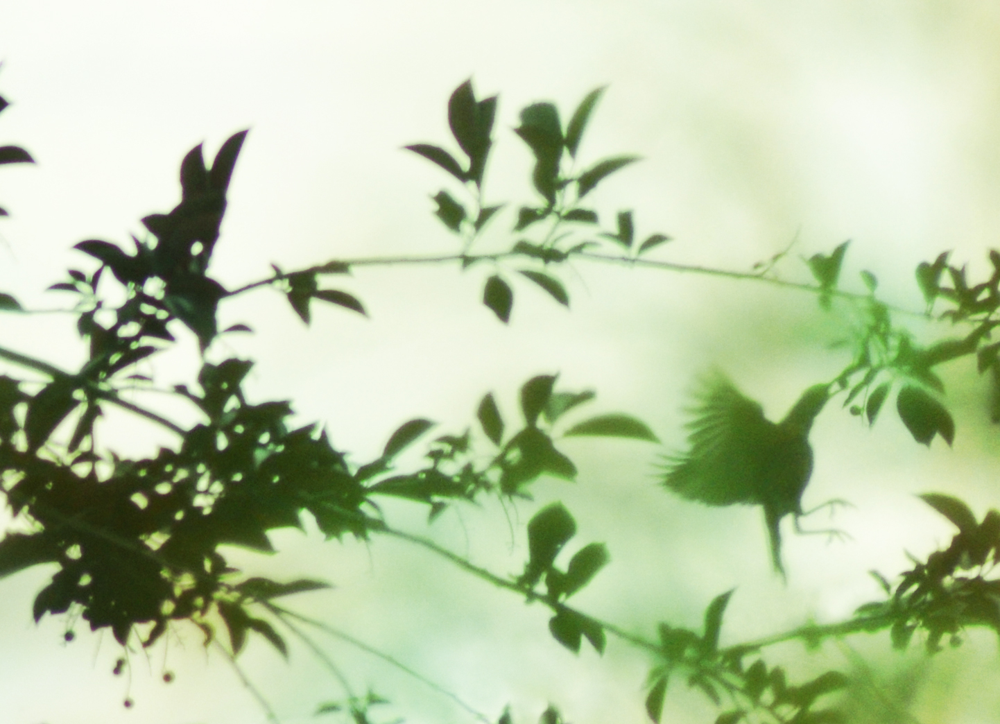
[The first image is a layered photograph ~ purple martins, a rainy window and a summer landscape made with movement.]

© Karen McRae, 2014

PurpleMartin_SpeedofFlightThe Speed of (F)light

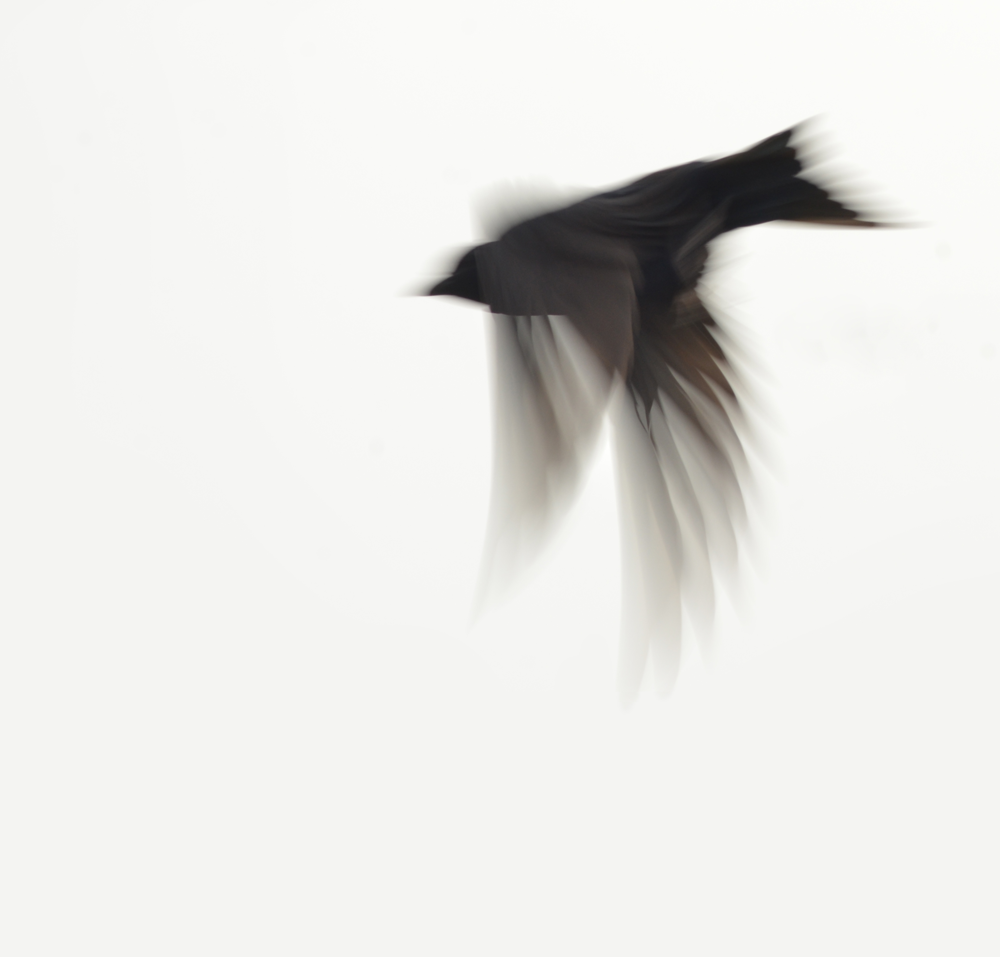
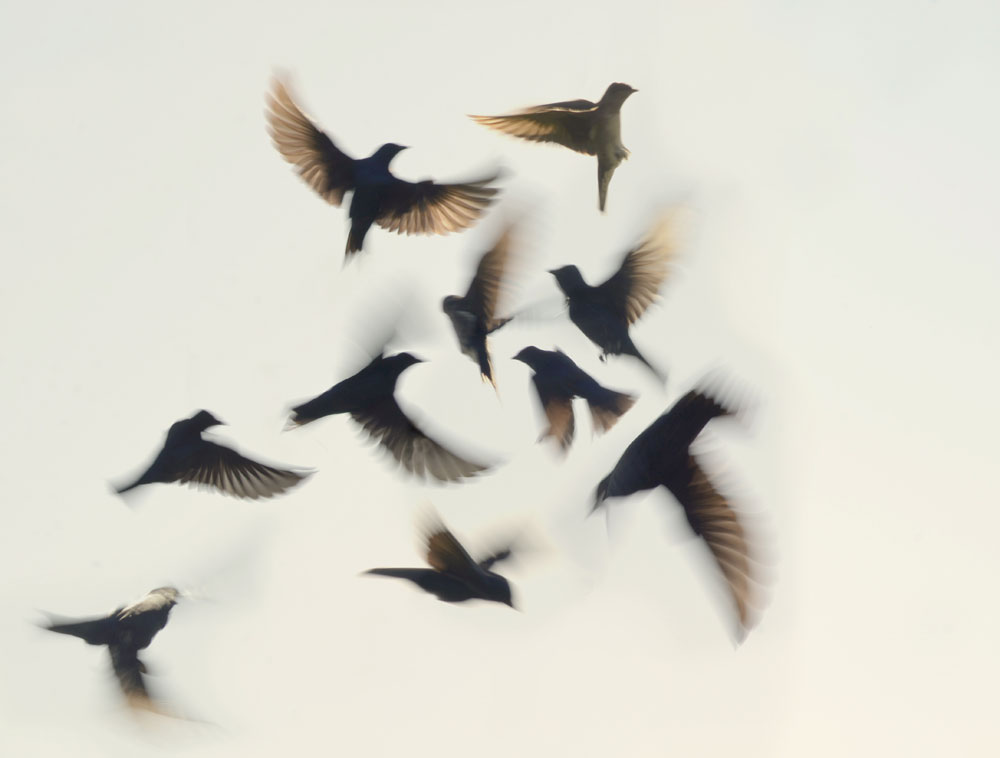
Another Purple Martin (male) caught in flight ~ It is difficult to get a precise synthesis of both focus and movement when photographing these birds – I think this is what interests me the most – but this particular image might be the closest I’ve come. I like the somewhat abstracted nature of the form and the simplicity of the monochromatic tones. They might be getting sick of me hanging around, though…

[Click on the image for a larger version]


© Karen McRae, 2014

Wild Grasses

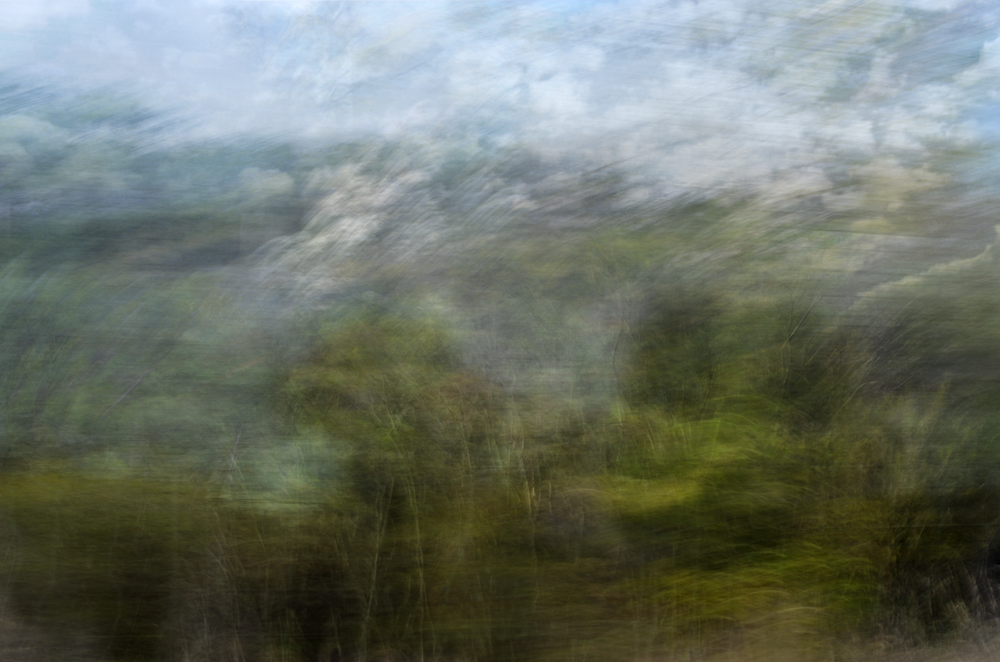
WildGrasses1 A photograph made by blending three different ‘drive-by’ images (and a smattering of selective erasing on 2 of the layers). It seems I am obsessively endlessly fascinated by the exploration of ‘movement’ when making photographs.  : )

From the photographic series ‘Colour Field’
© Karen McRae, 2014

Night Light 2

PalmerRapidsAbstract

CheckingoutheRapidsatNight

PalmerRapidsatNight2Long exposures of fast-moving water at night. These photographs were made during a paddling/camping trip and although there were lots of stars in the inky sky there was no glowing moon, so in order to light the first and last images I ‘painted’ the slipping-by water with my headlamp and set the camera to make 30 second exposures. In the middle image you can see my paddling friends are lighting the rapids (and the fluttery bugs) with their own headlamps.

(Unfortunately, I didn’t have the camera set to raw mode when I made these photographs – poorly planned on my part – so the image quality is not that great…)

© Karen McRae, 2014