
A wonderfully creative and sustainable use of retired industrial land in the city, the Evergreen Brick Works is an extraordinary community environmental centre located on the site of the former Don Valley Brick Works (1889-1980’s) which produced many of the bricks that built Toronto. Old and new is beautifully integrated, creating an eclectic and vibrant space that makes full use of its central location on a swath of green space along the Don Valley ravine that runs through Toronto.
If you arrive on a Saturday you will find a bustling farmers market, selling local seasonal food, and buzzing with the energy of creative and interesting people. We brought home some fresh fish, garlic scapes, new potatoes, swiss chard and multicoloured heirloom carrots, which were all put to good use.
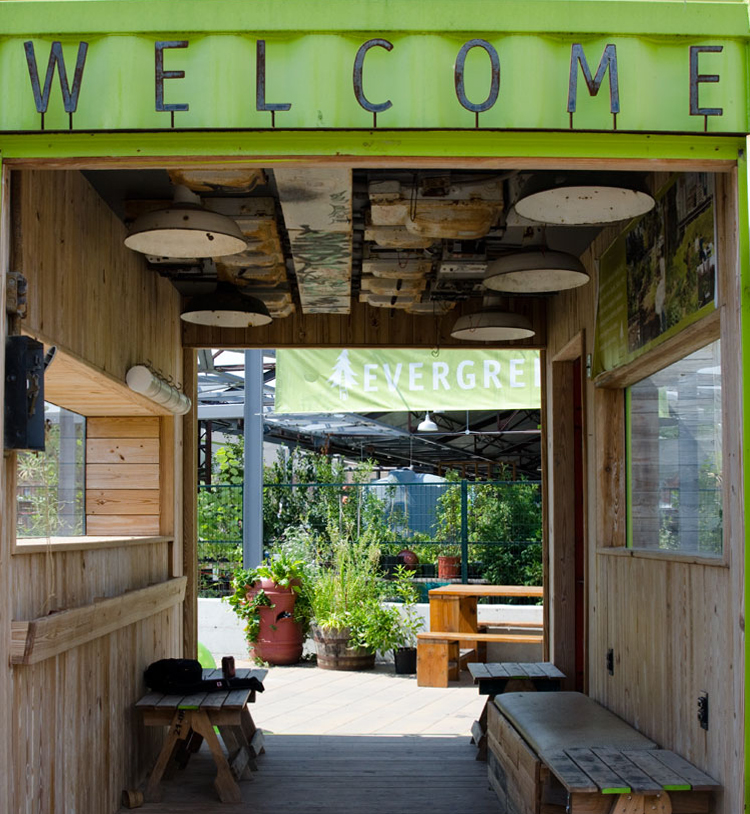 An interesting little shelter where you can wait for a bus or a free shuttle to take you to the subway system for a convenient commute. Note the industrial pieces on the ceiling re-purposed as integrated art.
 A central garden space showing both new and old buildings.
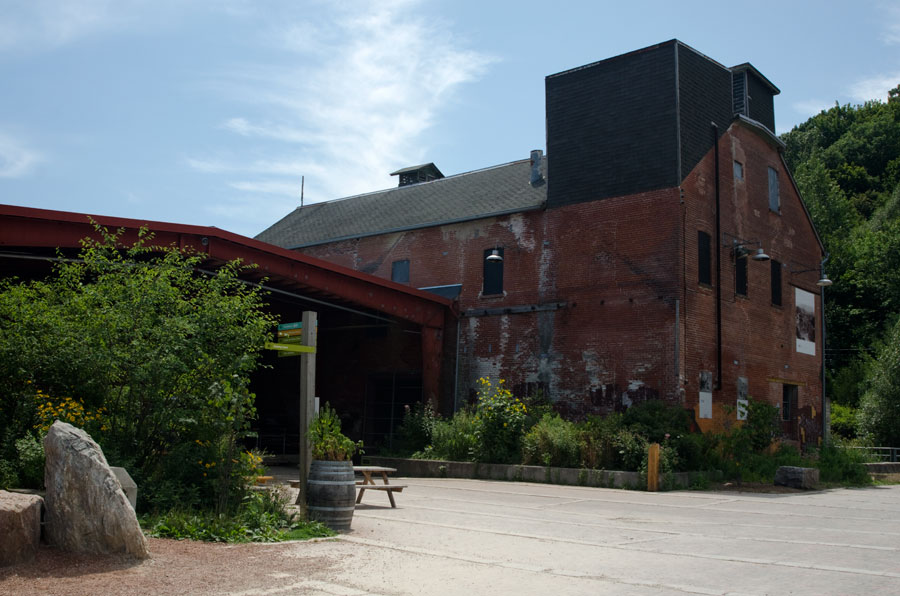
 Above: A small section of the children’s garden. There are children’s day camps that run out of some of the buildings.
 The open rafter area inside this building above, marks the Koerner Gardens, which are planted with native species. There is also a garden shop where you can learn about, and purchase, native plantings and many other products.
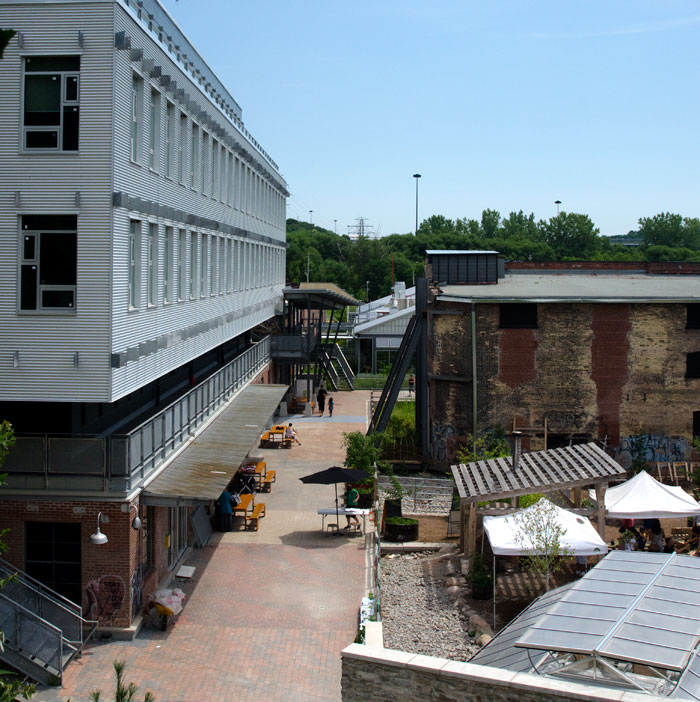
 The large artwork on this wall is called Watershed Consciousness and was created by artist Ferruccio Sardella. It represents a map of the rivers that flow through the city and gently flows with water itself to sustain the plants tucked into the crevices that mark the waterways. The structural metalwork acts as a support for the both the building and the artwork.


 Much of the old graffiti has been left on the surfaces and somehow it adds to the dynamic community feel of the site.
 The interior space of Koerner Gardens. In the winter this area is transformed into a skating rink where you can wind your way around the raised beds under the open rafters. The skating rink is equipped with a refrigeration system and the waste heat produced from this system is directed to heat the adjoining cafe.
 An image of what the clay and shale quarry used to look like before it was filled with water and turned into a vital habitat for native flora and fauna.
Below: A cross-section representation of the rock layers found in the quarry.

 You just have to turn away from the buildings to see what is, essentially, the back garden to the Brick Works. A green space so vast that it’s hard to image you are in a huge city. There are winding walking trails within the 40 acre site that take you to lovely ponds, boardwalks and sitting areas. And beyond that the continuation of the ravine system and its huge network of paths.


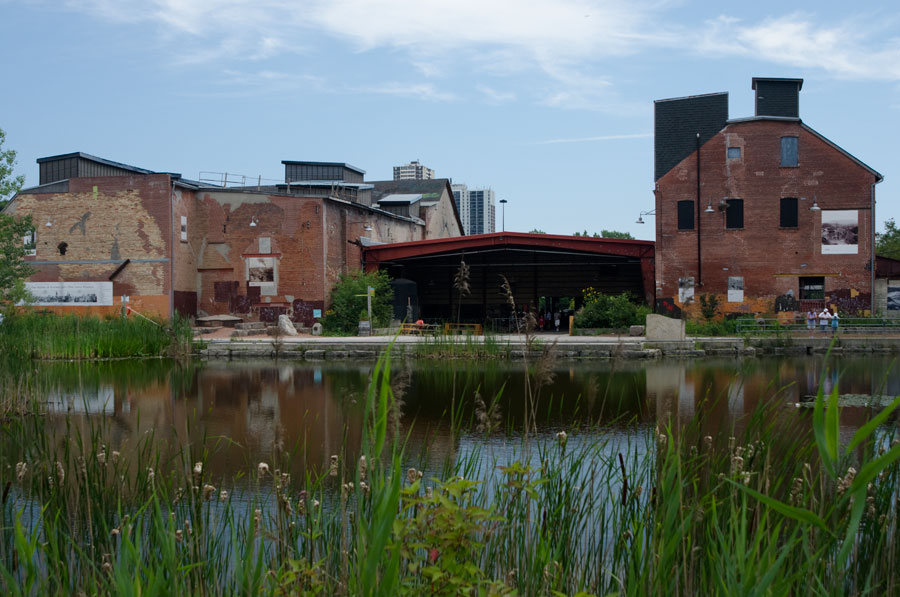
 There are many interesting businesses, events and features within the Evergreen Brick Works that I haven’t even touched on here. If you are interested in more information you can visit their website here: www.ebw.evergreen.ca
All images © Karen McRae











 draw and shoot