In and Around The Cabot Trail

The Cabot Trail is a winding scenic drive along the coast and through the highlands of north-east Cape Breton. Even though it was quite early spring when we were there at the beginning of May, and the day went from sunny to grey rather quickly, the majesty of the highlands was breathtaking. One of the upsides of traveling in the off-season is getting to experience each place without the buzz of the tourist season. We practically had the road and the beaches to ourselves.

If I were to travel here in the summer it would definitely be a camping destination. Perhaps at Meat Cove, on top of a windy cliff overlooking the Bay of St. Lawrence where it meets the Atlantic Ocean.
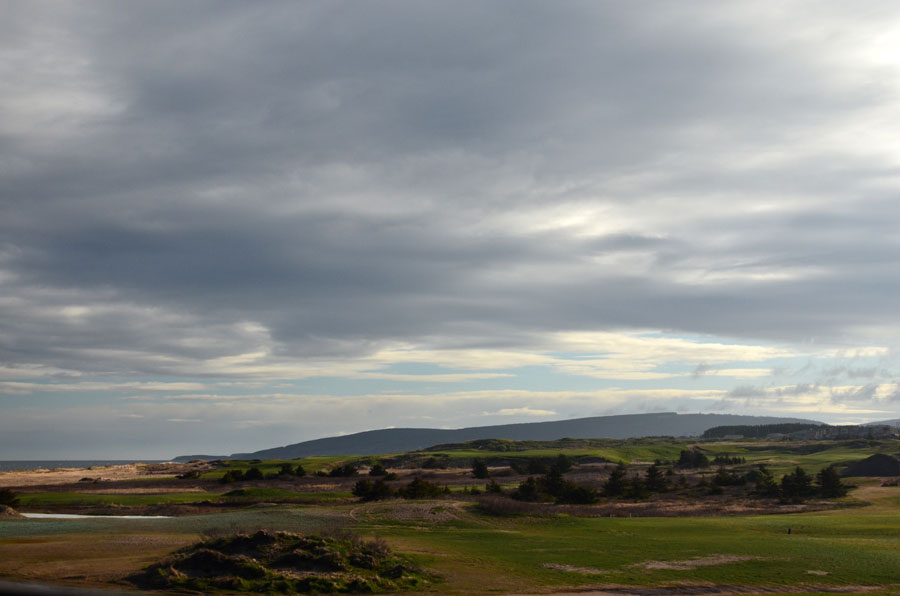

A tufted sand dune at Inverness Beach, looking out into the Gulf of the St. Lawrence.
The Inverness Beach and the breakwater on the horizon.


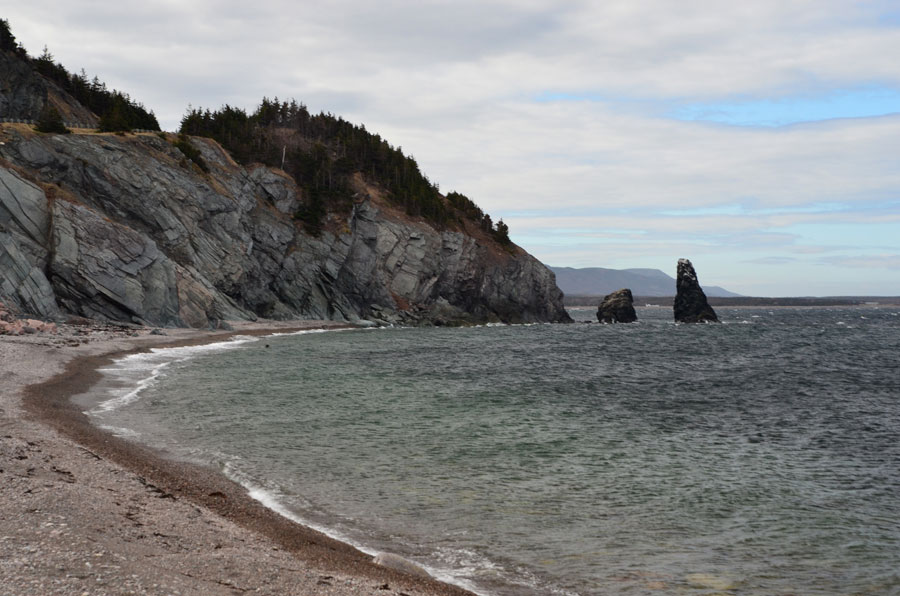
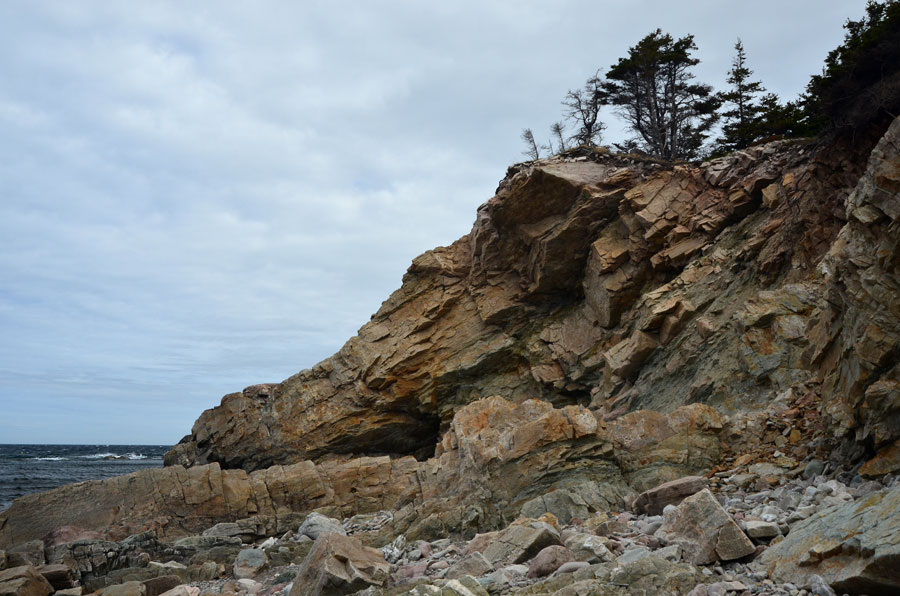
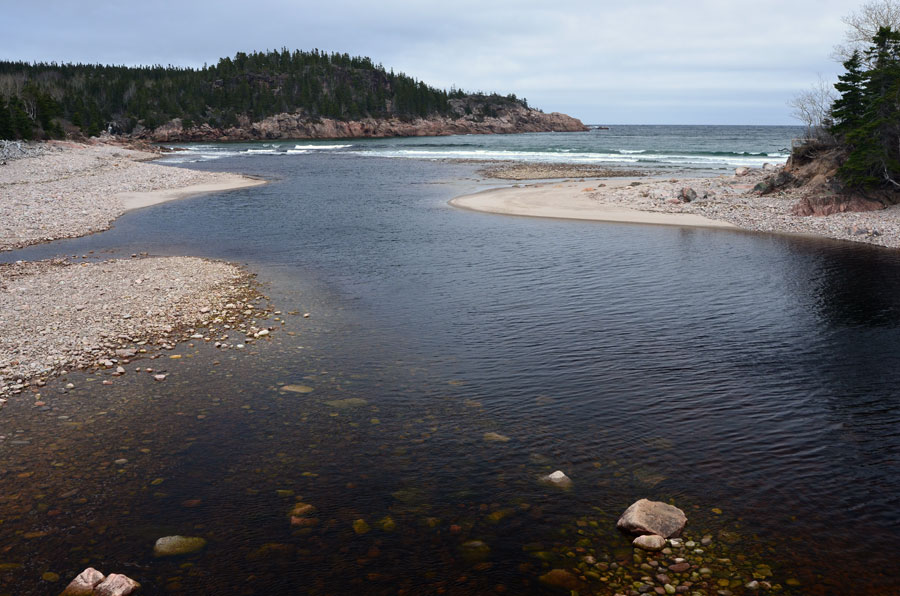
One of several gorgeous cobble and sandy beaches along the coast.


A young male moose stopping to feed at a pond. Note the missing antlers which are shed each fall and regrow in the spring.
Much of the interior of the highlands look like this with miles of rolling tree covered hills and valleys.


A view from above Meat Cove and the velvety looking reddish beach below. Meat Cove is the most northern community in Cape Breton and lies at the end of a winding and sometimes steep road. You have to travel several kilometers off the Cabot Trail to get here, but it’s well worth the trek for a visit.


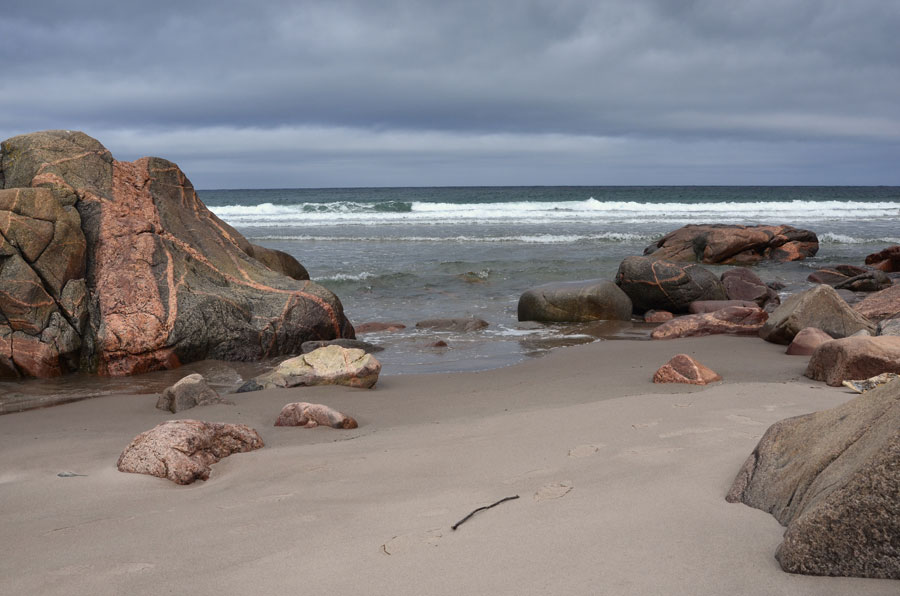
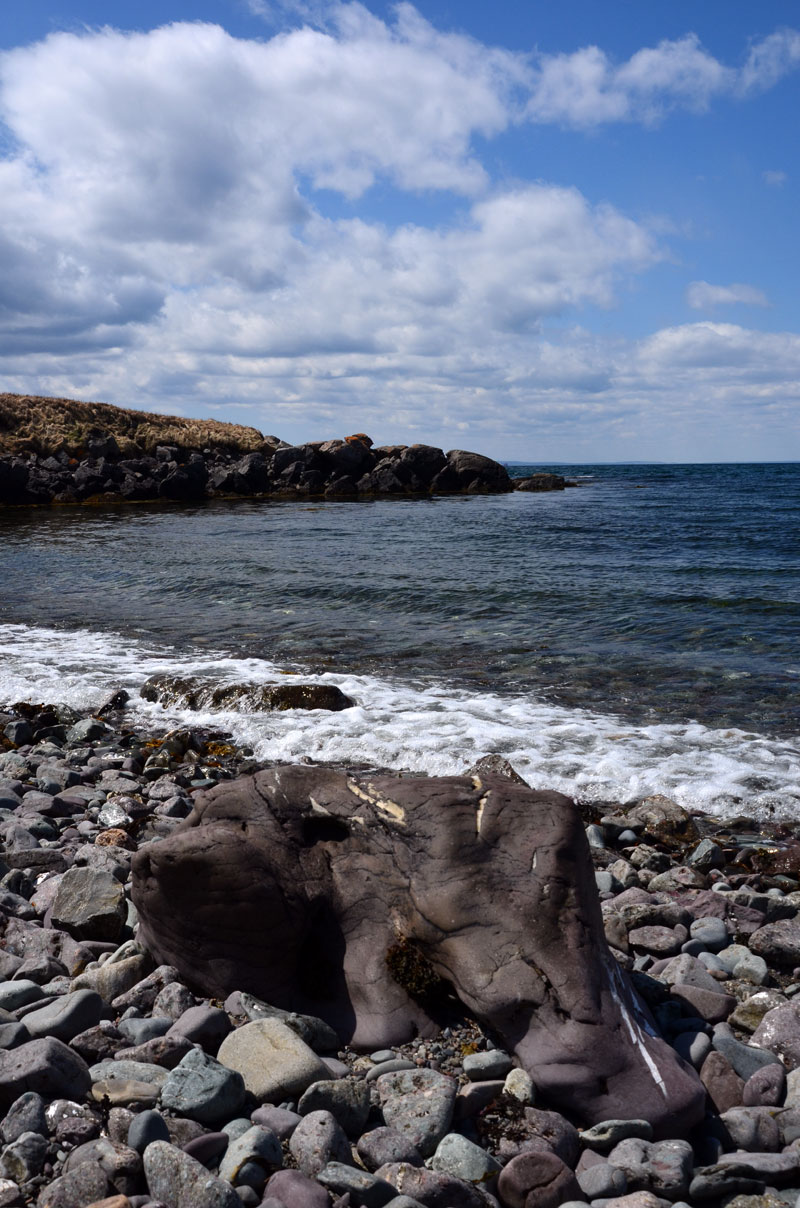
The boulder scattered beach at Black Brook Cove.


All images © Karen McRae

Connections, Disconnections

Cape Breton: The Island That Almost Isn’t an Island

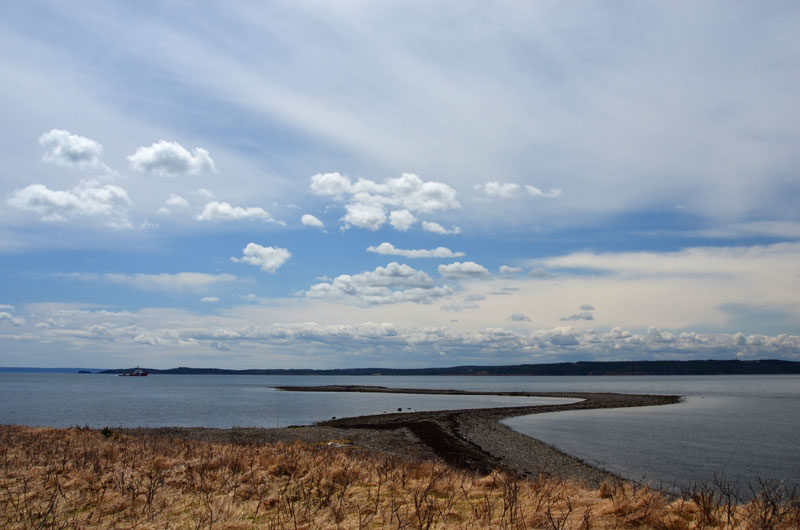
The Strait of Canso lies between mainland Nova Scotia and Cape Breton Island. In 1954 over 10 million tonnes of rock were used to build a causeway connecting the island to the mainland. This snaking rock wall is 65 metres deep in places, making it the deepest causeway in the world. There is a canal that allows ship traffic to pass through. If this remaining thread of water wasn’t here, Cape Breton would really, no longer be a true island.

I am struck by the simultaneous connection, and disconnection, of such engineering. On one hand, a community has been bridged. On the other, a community shut out. A safe harbour has been built. But also, an impasse. We are nothing, if not a contradictory species.

These images really, have little to do with what I have written about here, except that they make me think of how we impact our environment. Of how I impact our environment. They make me think of what gets left behind. What could be left behind. They make me want to tread a little lighter on this intriguing planet.


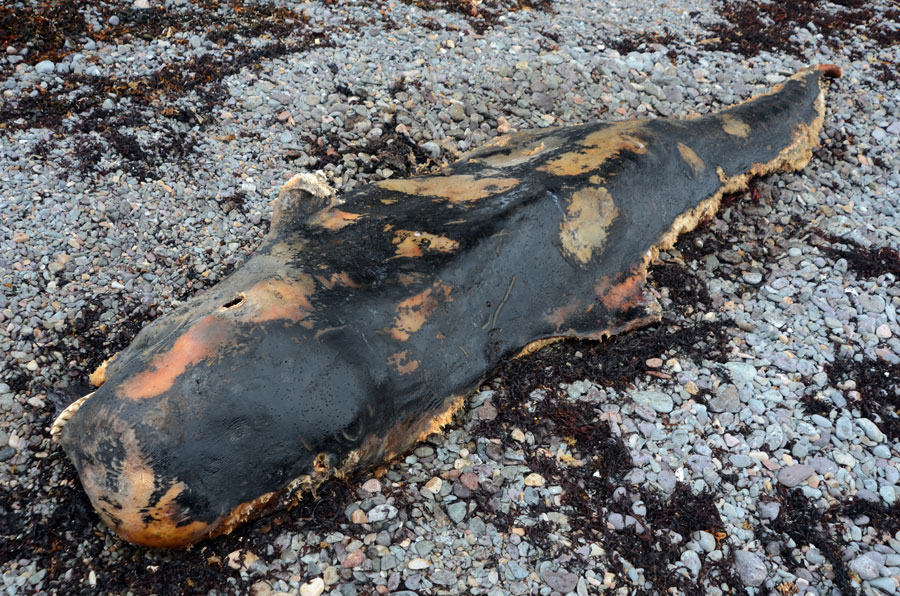
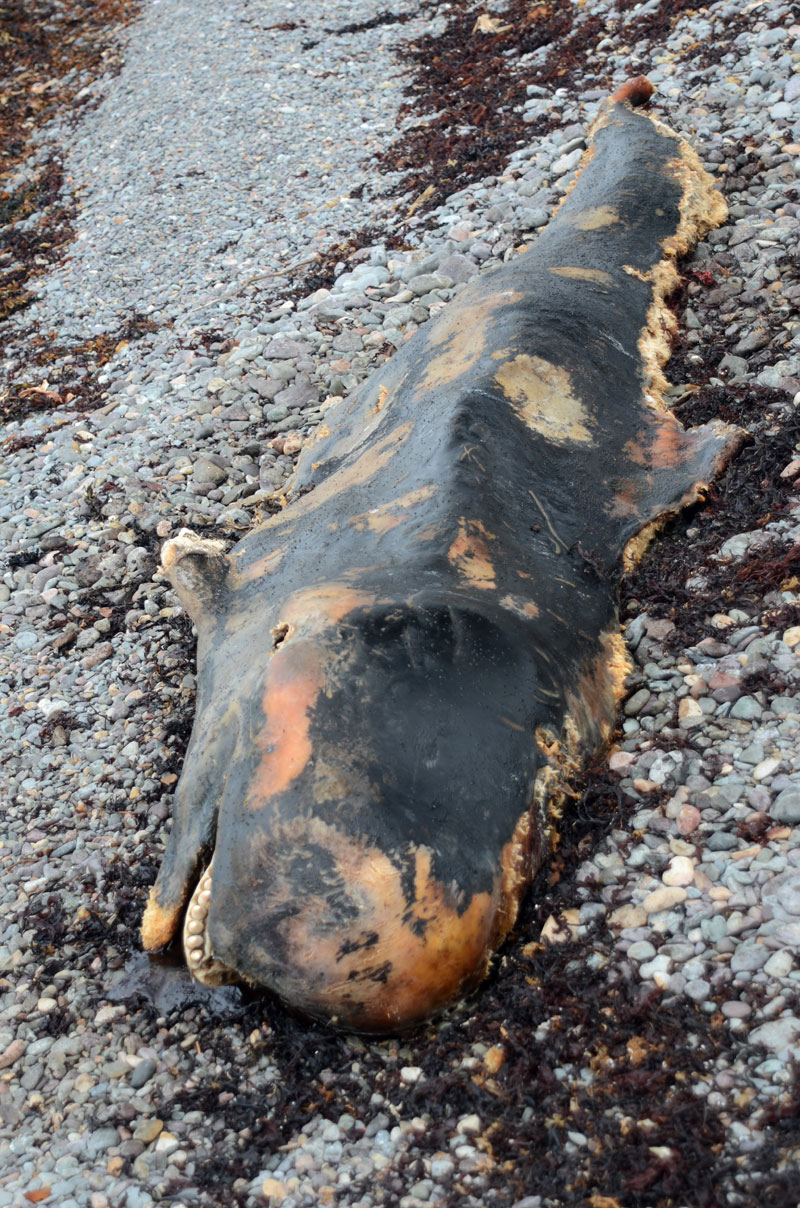
The above 3 images are of a decaying Pilot Whale, washed up onto a Cape Breton beach.


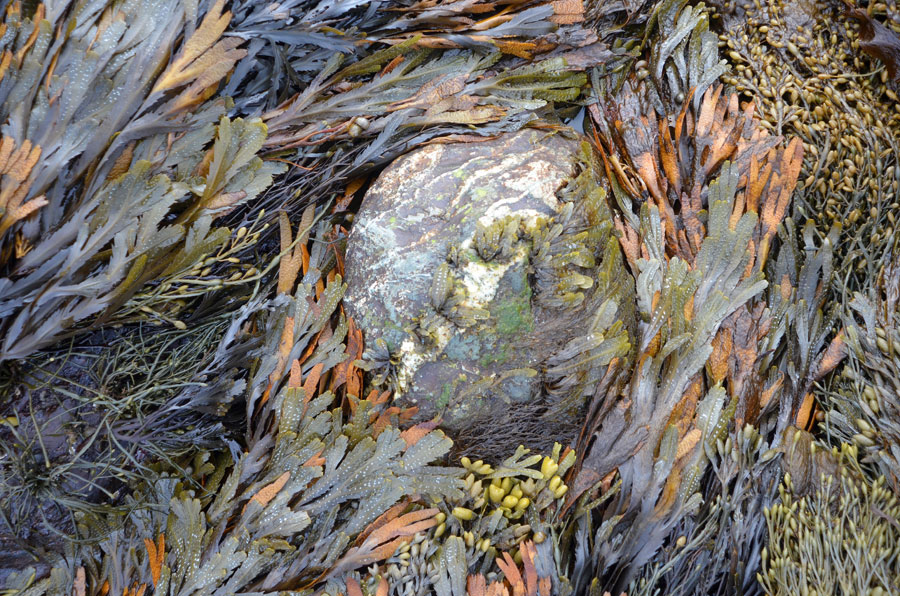
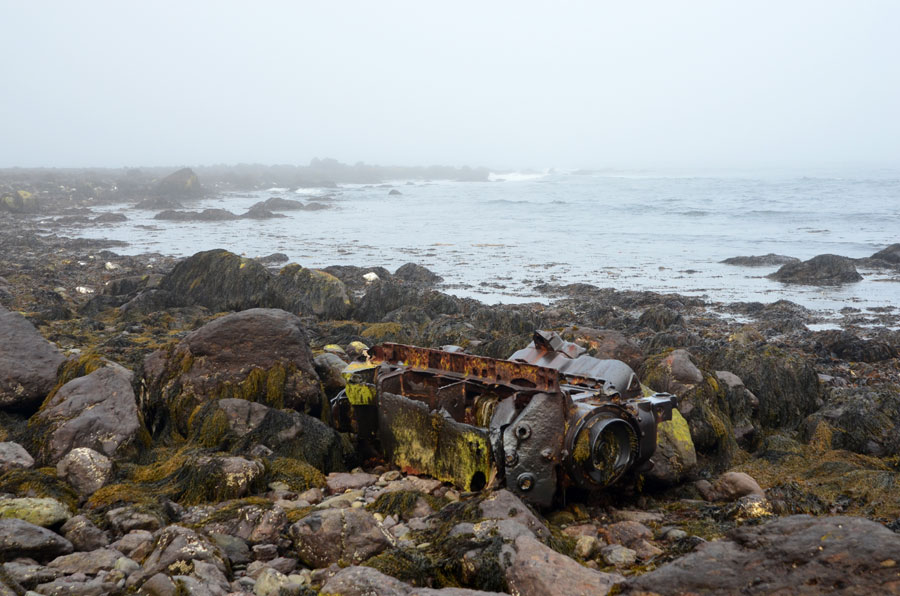
This large engine, is reportedly from an old steamship wreck, I was unable to find any other information about it.

It is doing it’s best to blend into the environment…


Cape Breton Island, Nova Scotia

*If you are interested in reading more about the environmental effects of blocking the Strait of Canso, there is some interesting reading here, here and here.

All images © Karen McRae
Cape Breton: Textural Diversity of the Shoreline

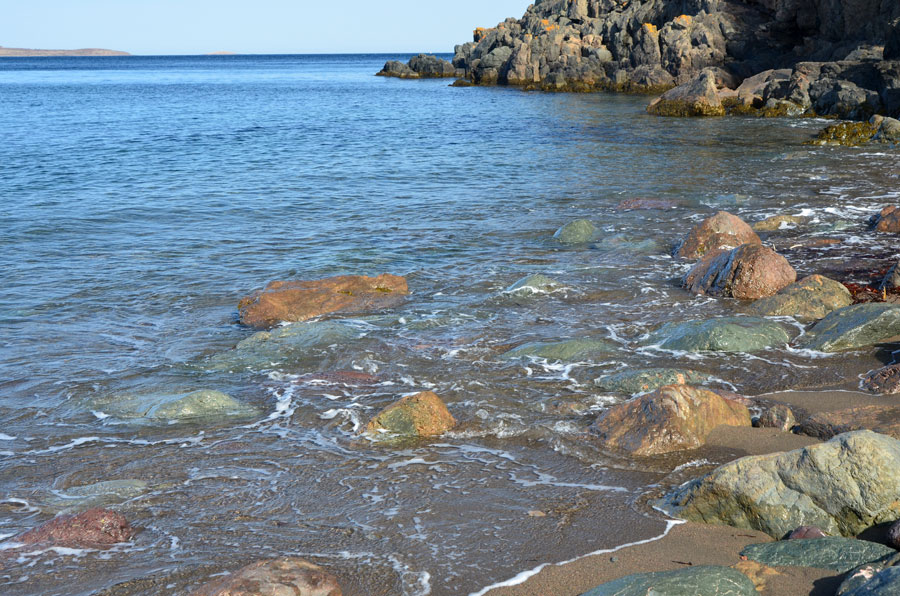
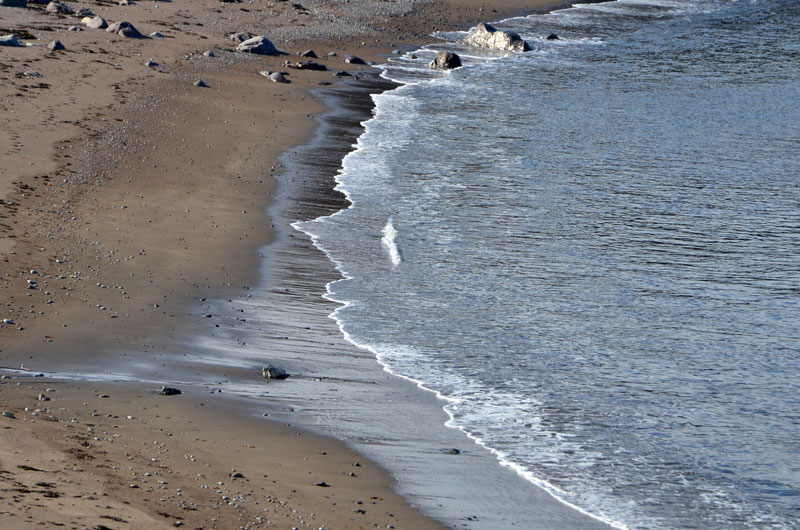
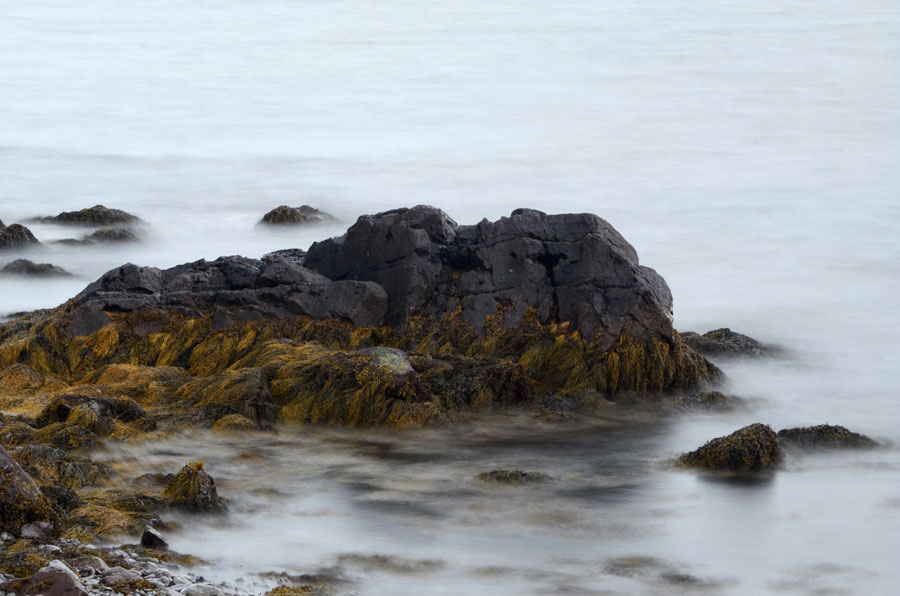
There are many tucked away cobble and sandy beaches between the rocky outcroppings along the shorelines of Isle Madame. A visual feast of shifting textural beauty.


Sadly, the lighthouses are being decommissioned and are slowly disappearing off the island, replaced by lit channel markers.
A beautiful vista with a coastguard boat far off in the distance.

The view at the trailhead of the Cap Auget Eco-Trail on Isle Madame.


A velvety hidden-away beach, not easily accessible.
This lobster fishing boat was accidentally run aground on a sandbar. It  returned to service at high tide the following day.

All images © Karen McRae

Cape Breton

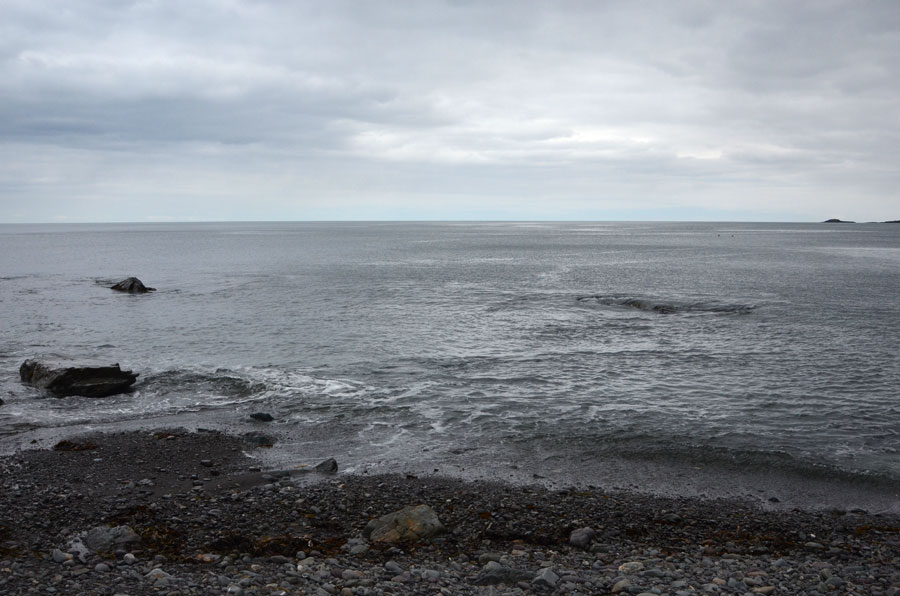
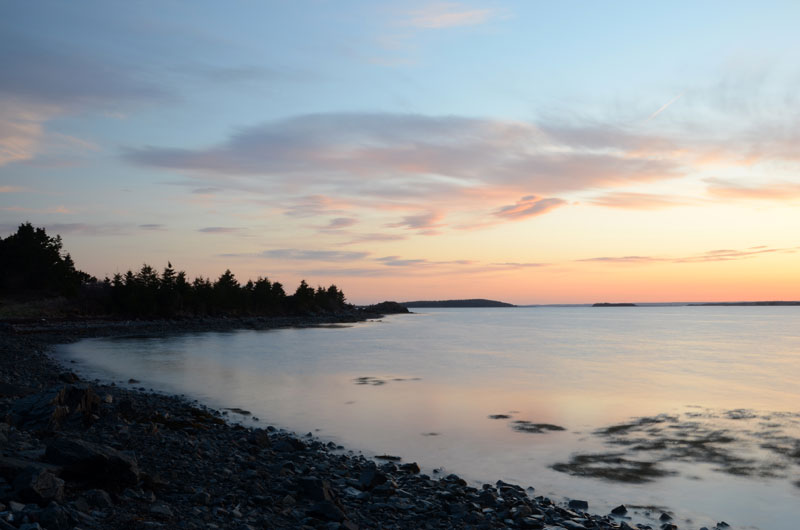
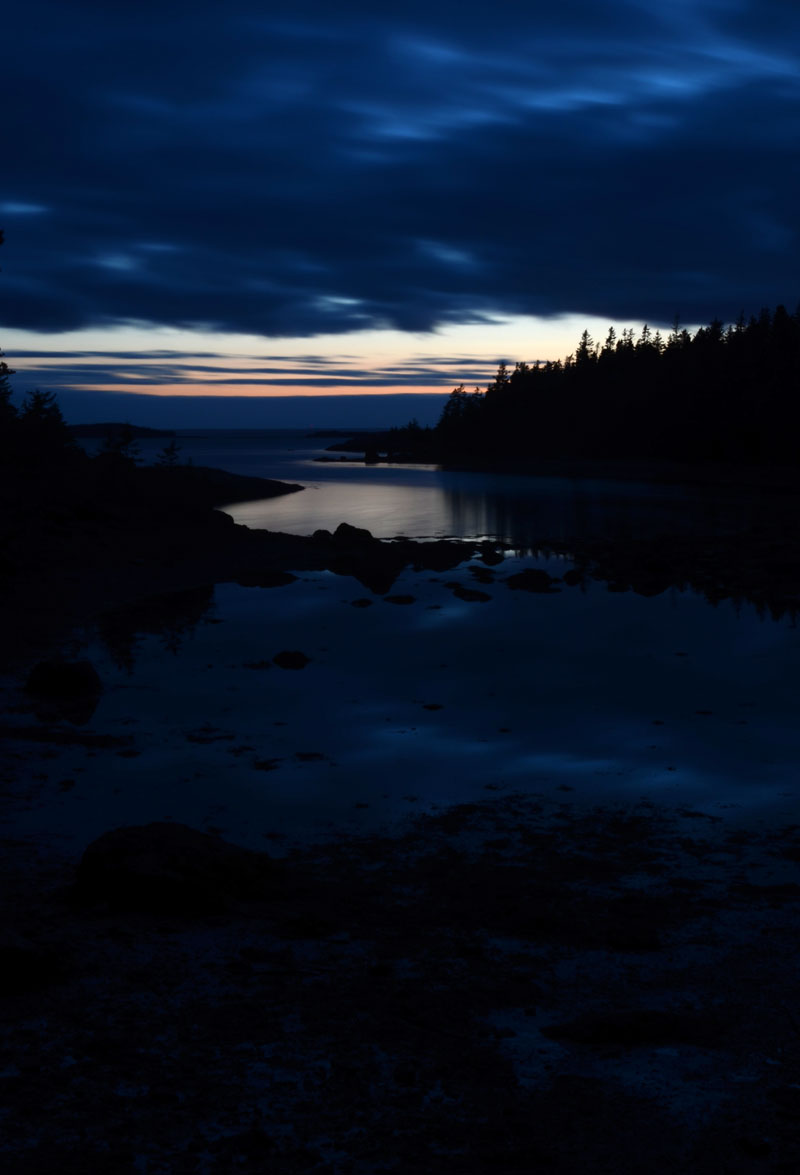
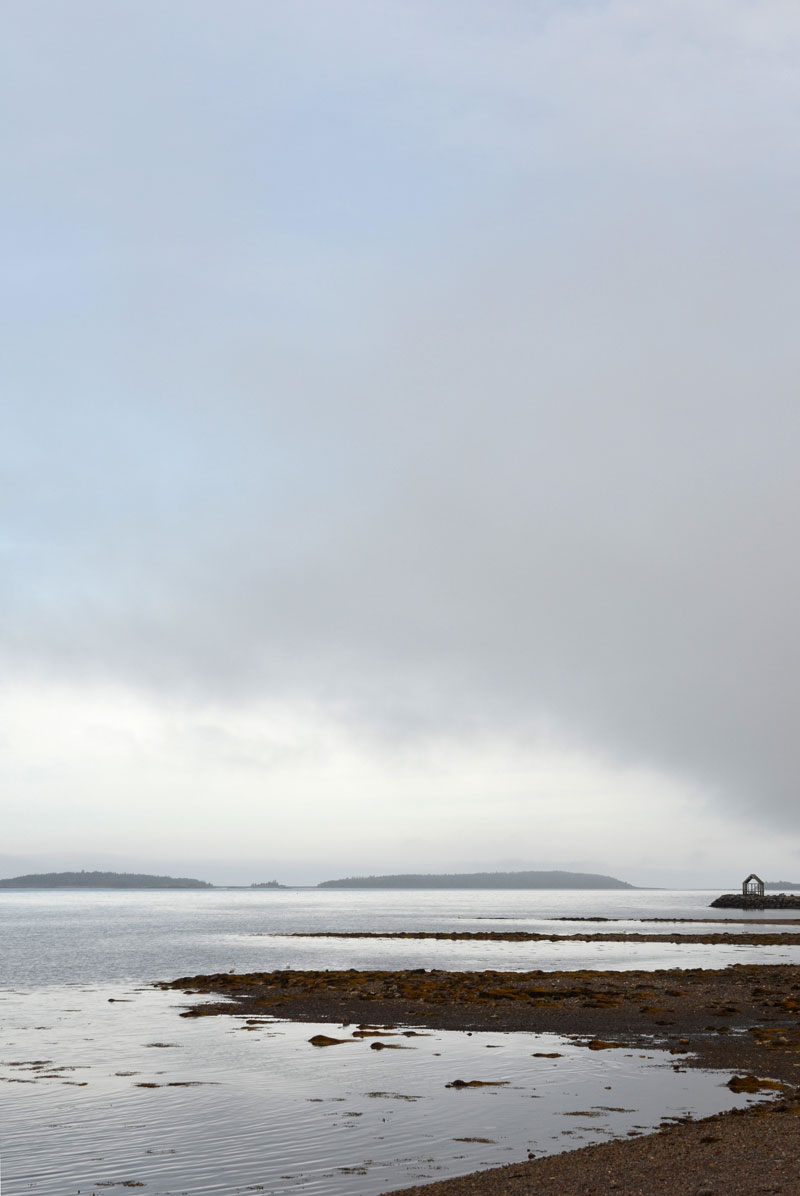
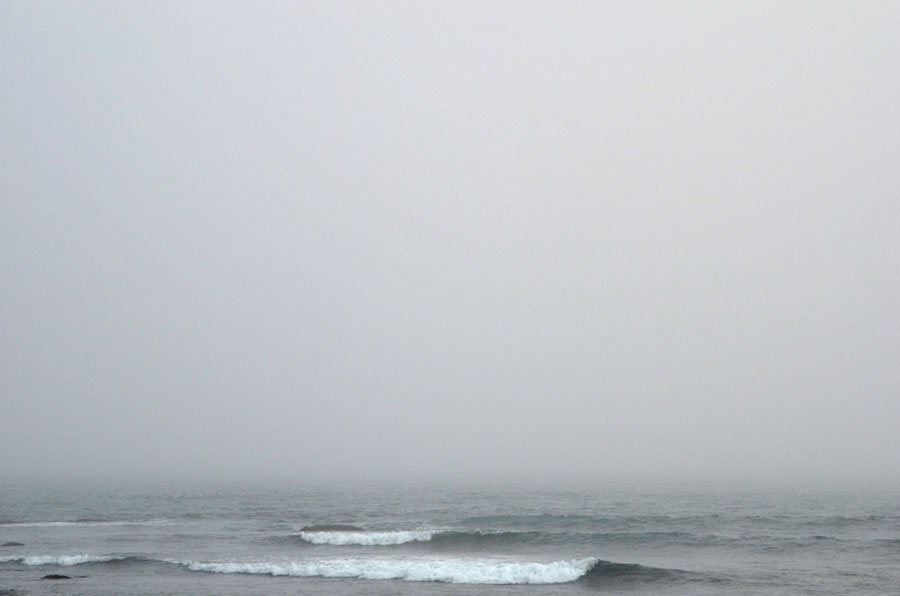
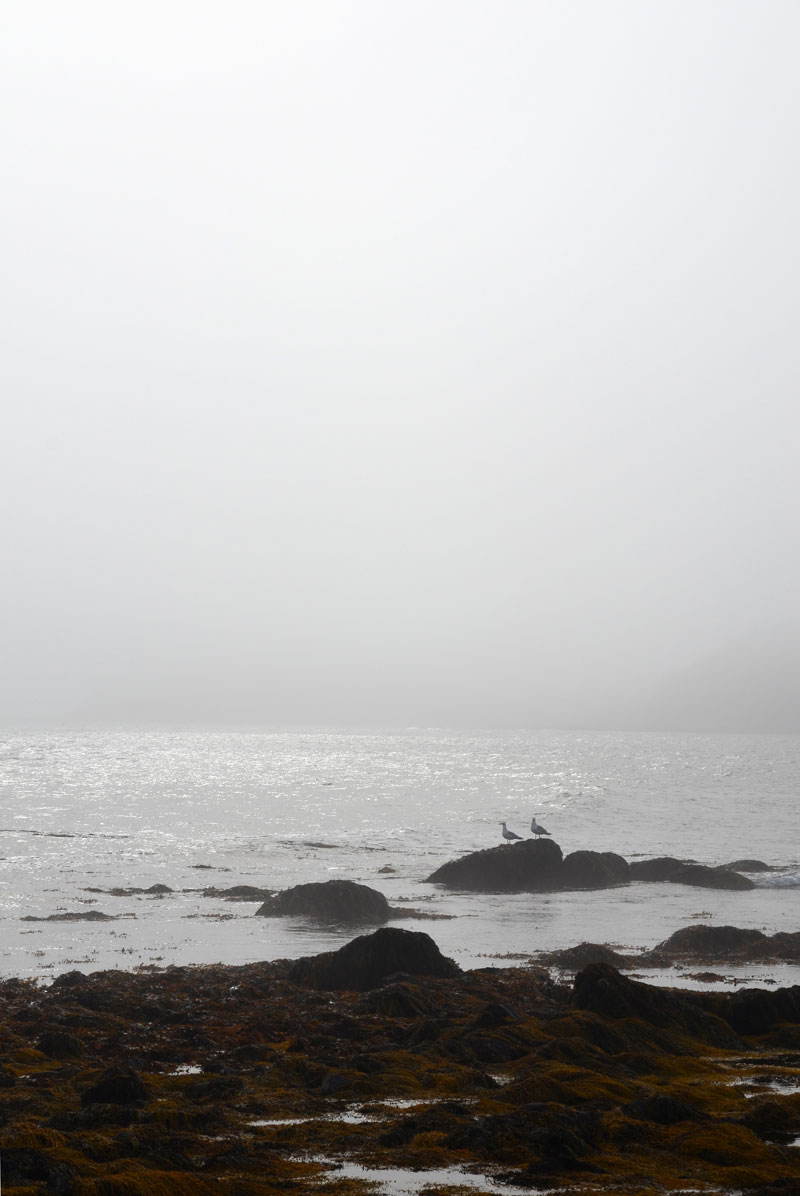
I am recently back from Cape Breton Island, Nova Scotia. I have a lot of careful editing to do, the ocean and surrounding landscape captured my complete attention these past two weeks.
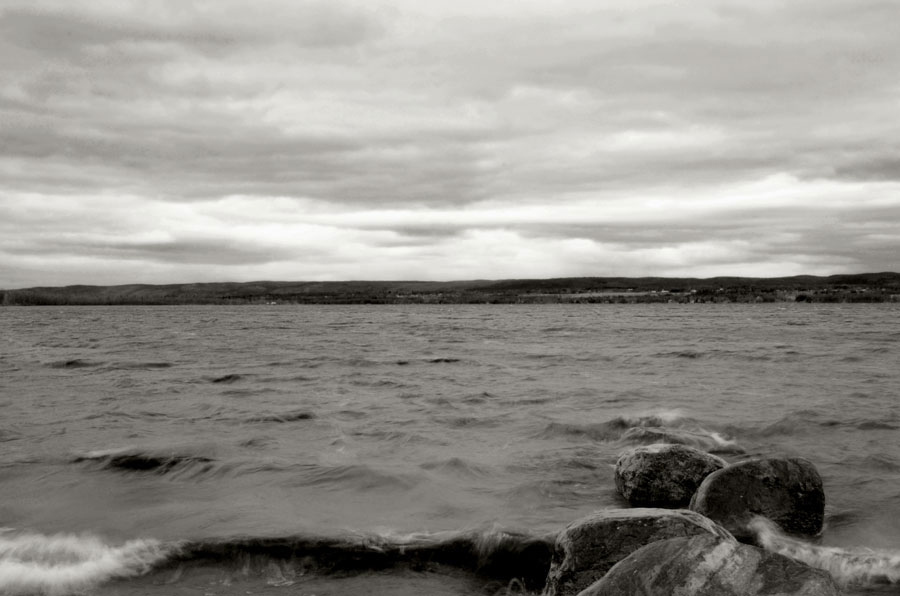
I am just now glimpsing back at images of these recent memories. How could I ever really capture the majesty of the sea, I wonder? Without the sounds? Without the salt air? Without the dampness from the fog rolling over your body? It is humbling to stand at the shore of such vastness.


All images © Karen McRae

A River of Thought

For the majority of my childhood, I grew up beside a river. It was part of my backyard, really. As essential as the ground beside it. I remember the day I discovered it had been used as a dumping ground of sorts.  I started finding things.

Old medicine bottles, broken glass, shards of faded pottery.

I remember asking my mother about it, she said, yes, people used to put their garbage in the river. I remember being stunned. Of course, years ago there was no garbage pick up. People burned their garbage or buried it on their land. Or in their rivers.
But what struck me is that these people were my grandparents. I knew these people.

I was thinking about this today, about how it connects in a way that I hadn’t realized before to my interest in understanding the landfill. And my longstanding love of the rivers, lakes and oceans.  If you want to read the introduction about my ongoing landfill project you can find it here.

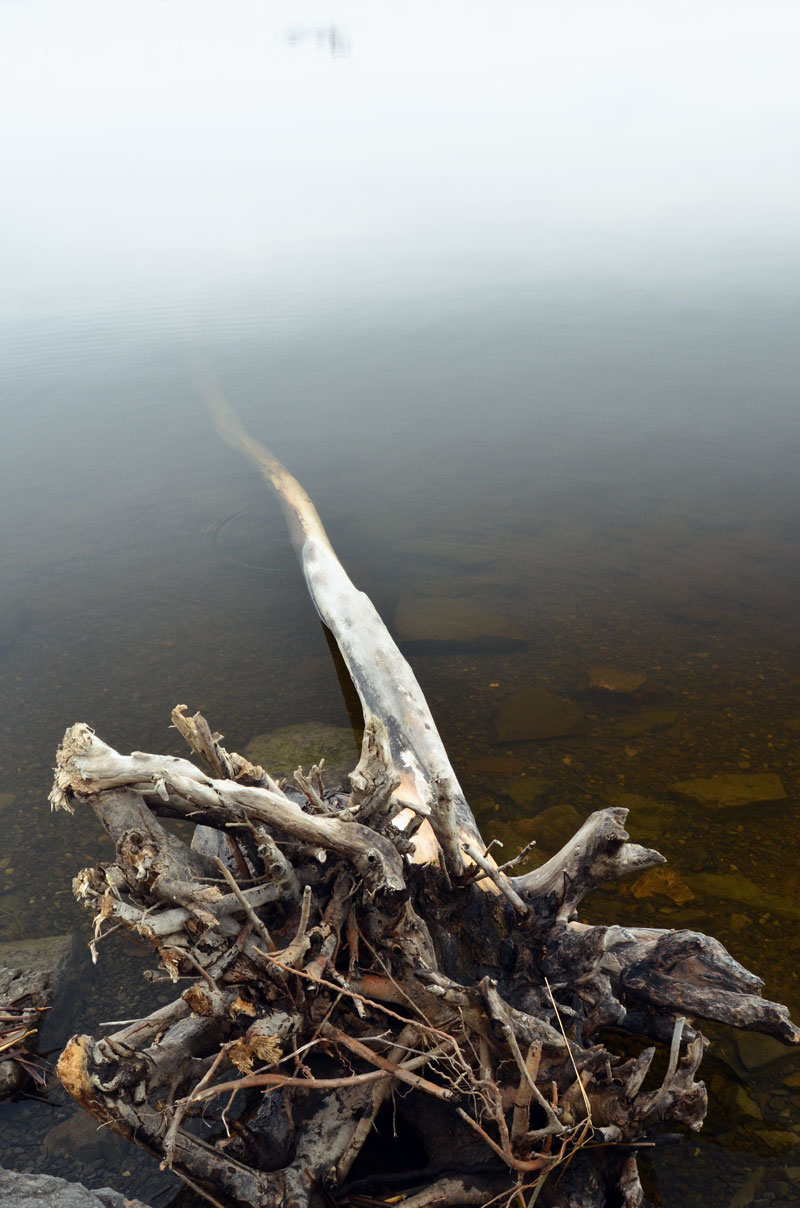
Another thing that struck me. The river is still a dumping ground. It is cast with thoughtlessness. You won’t see it here, but I can tell you about it. I can tell you about the hundreds of plastic bottles that wash up every spring, the half-shredded plastic bags, the old tin cans and beer bottles. The Styrofoam. I can tell you about the bags of garbage that I’ve picked up when walking the shore.

A winter river, breaking open

Back to the landfill.  You don’t see garbage there. It is taken care of. It is a full landfill.

How could the landfill be cleaner than the river?

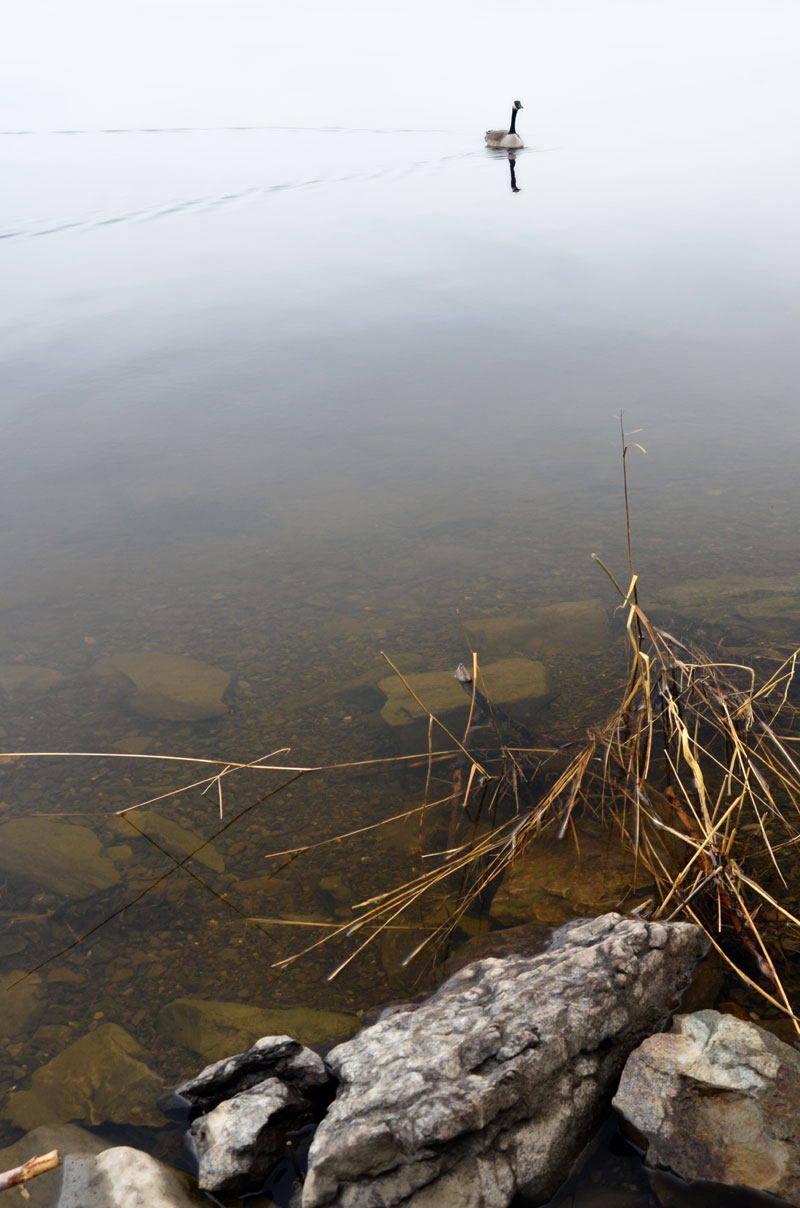
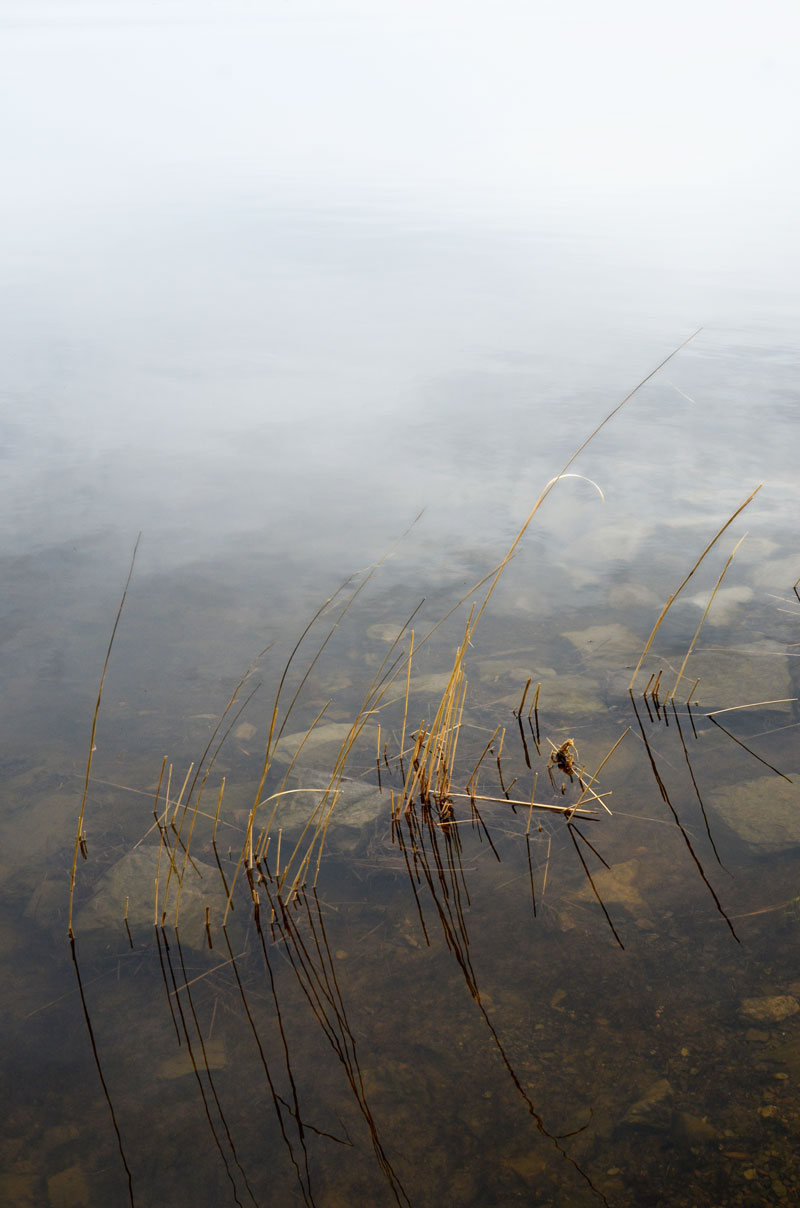
Grasses along a landfill pond

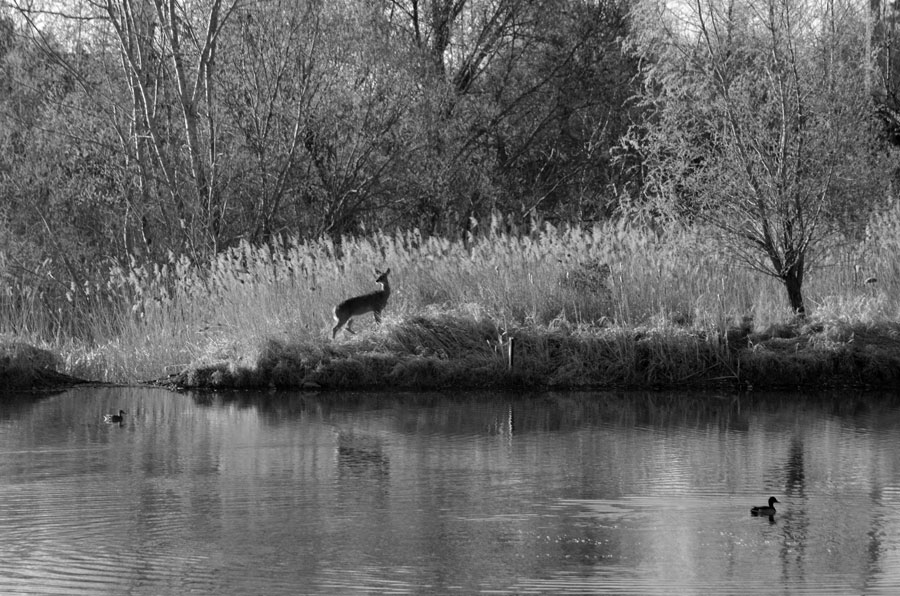
I recently spent another morning there. You might be surprised to know that there is a certified wildlife habitat within the boundaries. There are hundreds of birds and many deer.

You also might be surprised to know that because this landfill is closed and another one has not yet opened, we send 70 percent of our city garbage (industrial and business) out of the area.

In fact, we ship some of our garbage to Michigan.

Canada’s capital city sends garbage to the USA.

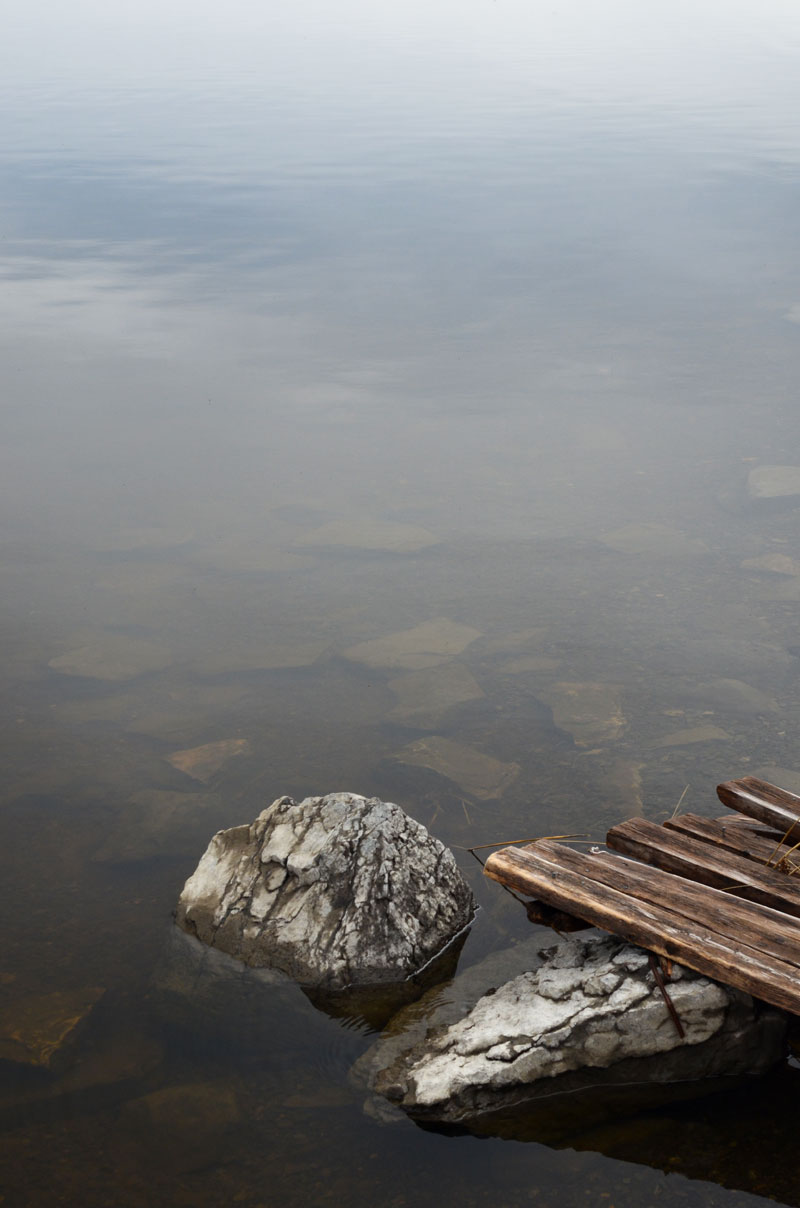
Reflections on the Landfill Pond

But I’m still wondering about the river. I’m wondering why it’s still a dumping ground? As a caretaker of the earth, I’ll be working this weekend.

All images © Karen McRae

Always Wear Your Rubber Boots

There are days where you head out to try to work on a specific idea, and then there are days where that doesn’t happen at all, and you have to just follow your intuition.
And when something in the back of your mind tells you to bring along your rubber boots, you listen. Because you never know what might call you into the water. What might be waiting there for you to come along.
And although, whoever might be waiting there, regards you with suspicion; they may make allowances for your curiosity. Probably just this once.


An early season, slow-moving snapping turtle, sunning himself almost unflinchingly, while I gently talked his ear off. I think we bonded.
I have had other encounters with snapping turtles that were quite different, you can see another post here.

I am extremely grateful to WordPress for selecting drawandshoot.me for their blog post: 8 Gorgeous Nature blogs for Earth Day  Wow! I’m honoured. Thank you.

All images © Karen McRae