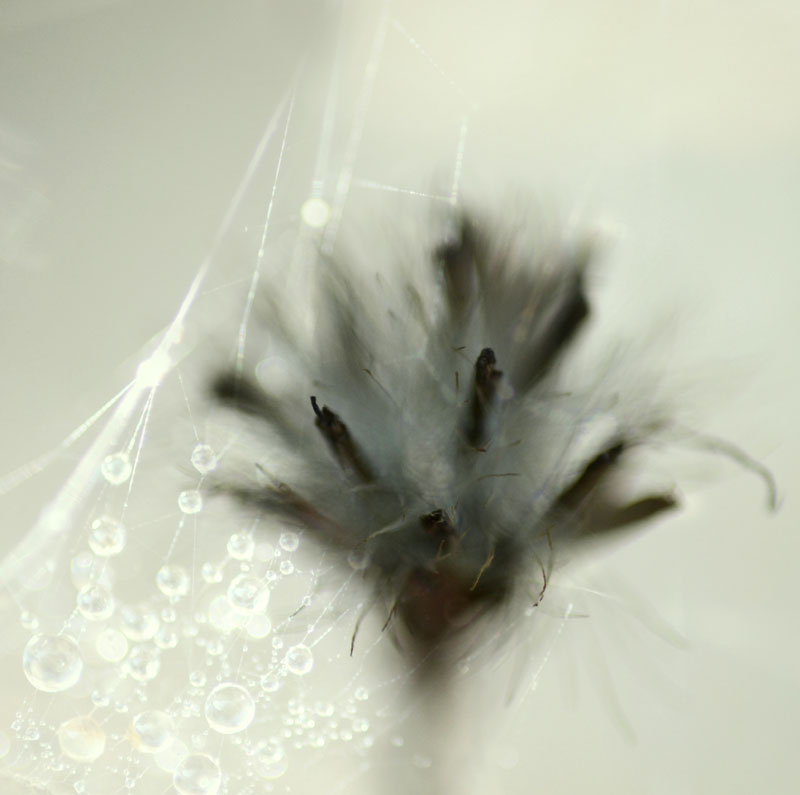
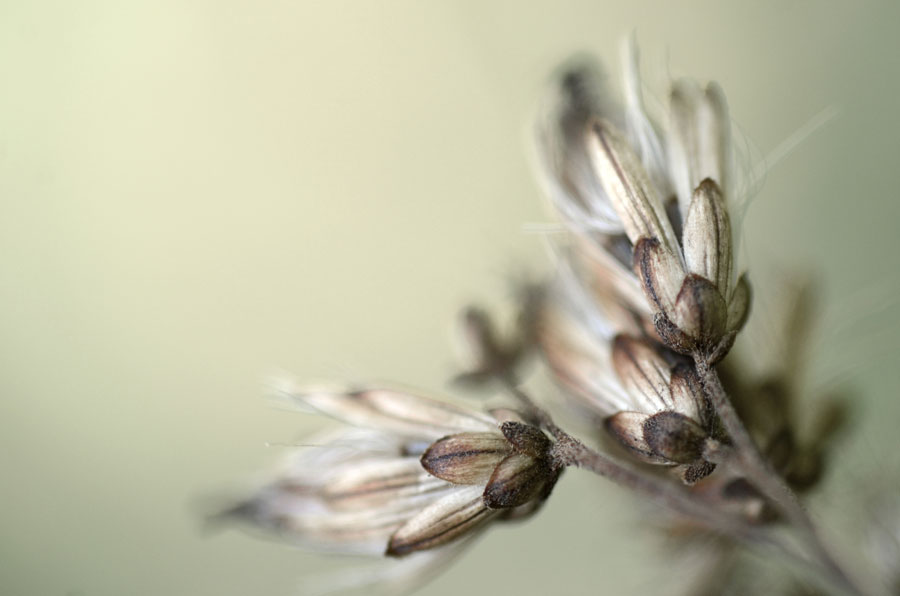
 I tried posting just one picture…but now there are three.
All images © Karen McRae

I tried posting just one picture…but now there are three.
All images © Karen McRae
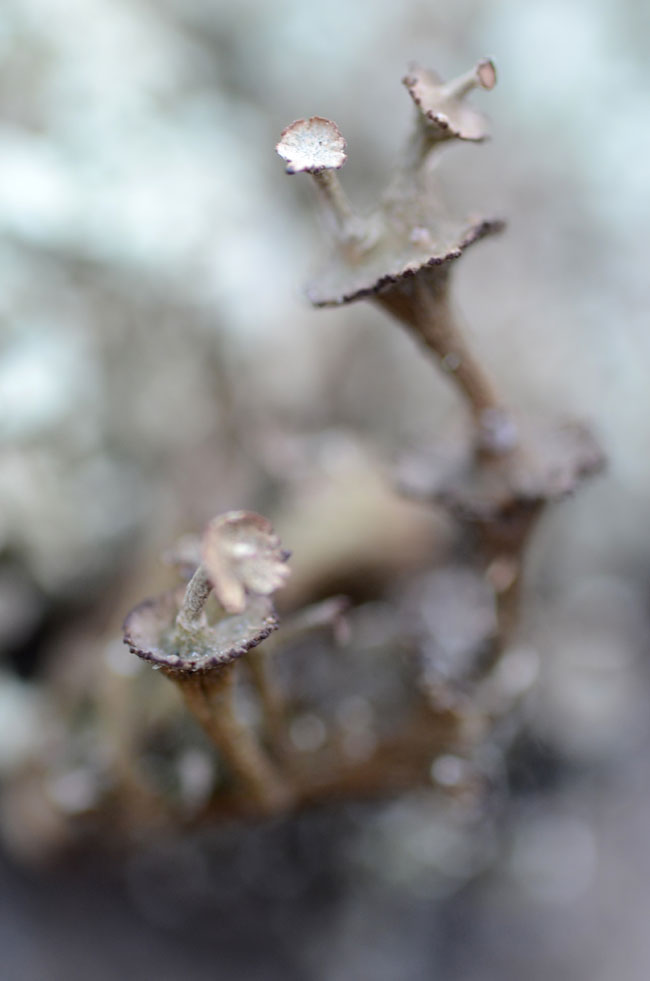
I’m not exactly sure of the correct names for all of these lichens but I have dubbed them collectively Cladonia Seussimilis, for to my eye they appear rather Seussian in form. And I like the way it sounds.
I believe the beautifully tiered fountain-like ones, are actually called Ladder Lichen, Cladonia cervicornis.
I’m a bit smitten with them…

 Above: Possibly split-peg lichen, Cladonia cariosa




All images © Karen McRae, 2012
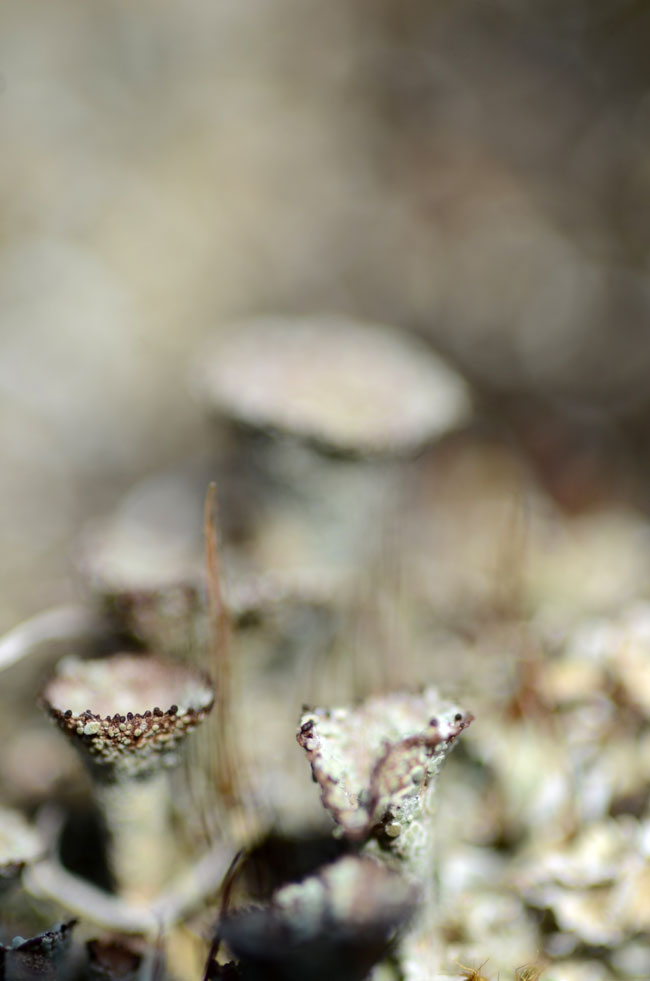
Lichens have always fascinated me, but it’s the little cup lichens that I find exceptionally intriguing. I think these ones may be Cladonia pyxidata, a pixie cup Lichen. They make for an exquisite miniature landscape, and although I didn’t see any myself, it’s not hard to imagine that a Pixie might indeed inhabit this sort of magical place. These pixie cups are growing in small beds of moss and earth tucked into a craggy rock .
I was struck by how they look so remarkably like an underwater landscape of corals and sea anemones and the sense of this is enhanced with a very shallow depth of field. Perhaps too shallow. But I am not finished looking at this tiny world.


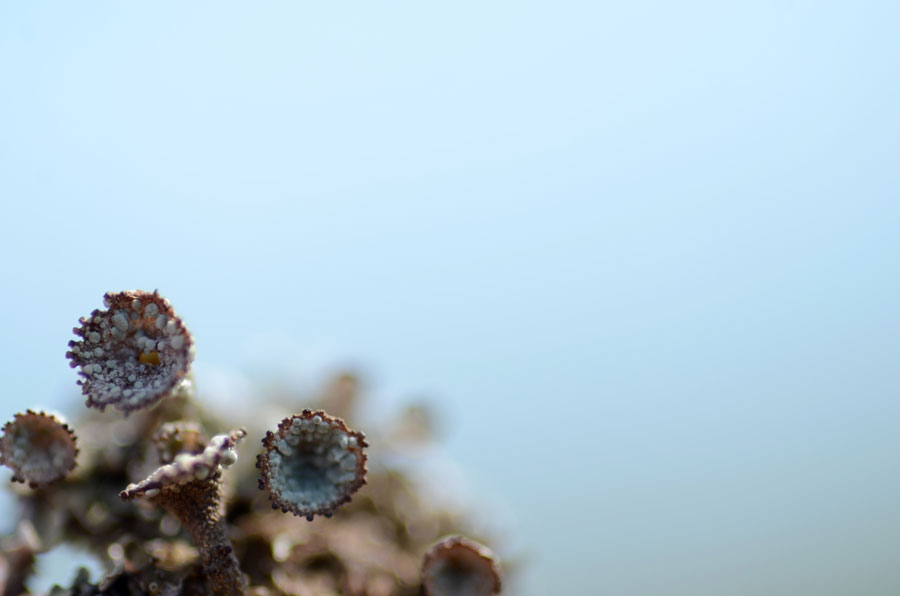


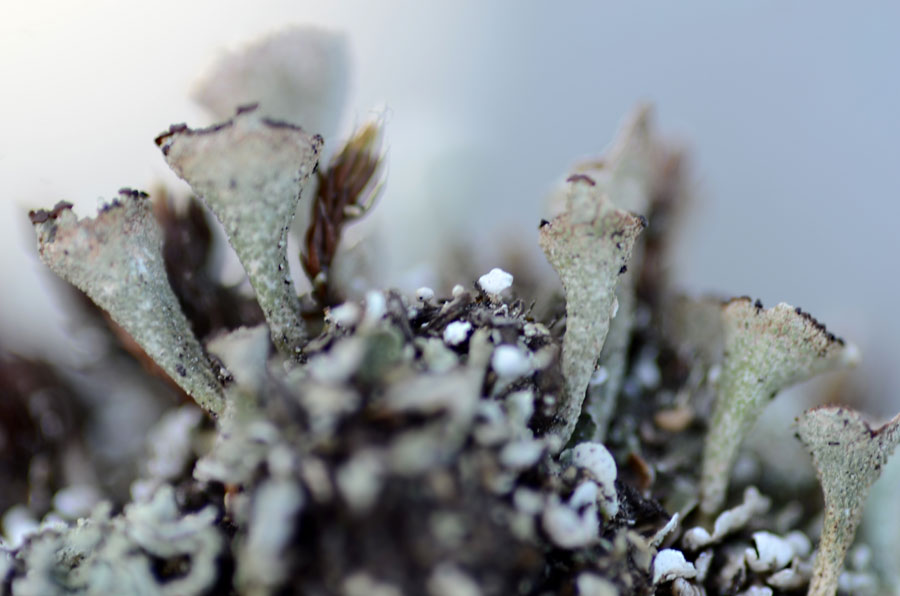

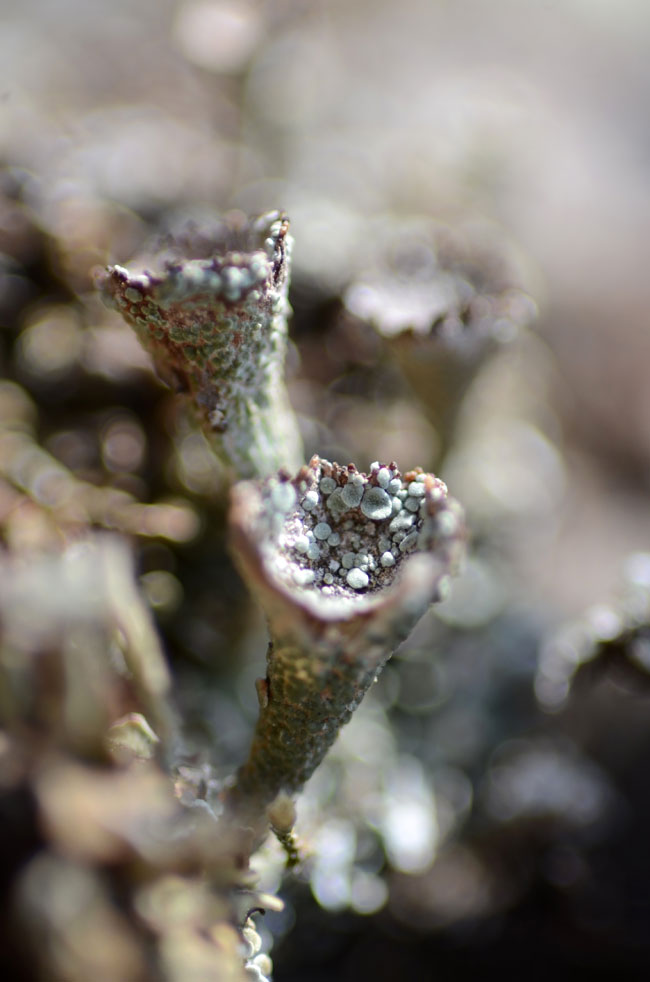
All images © Karen McRae, 2012
 This little cicada shell was gleaming in the sun like a miniature bronze, and naturally it beckoned to come home with me. It is the moulted shell from the final stage in a cicada’s growth. You may have happened across a similar empty shell tentatively clinging to a tree branch. You’d bring it home too, wouldn’t you?
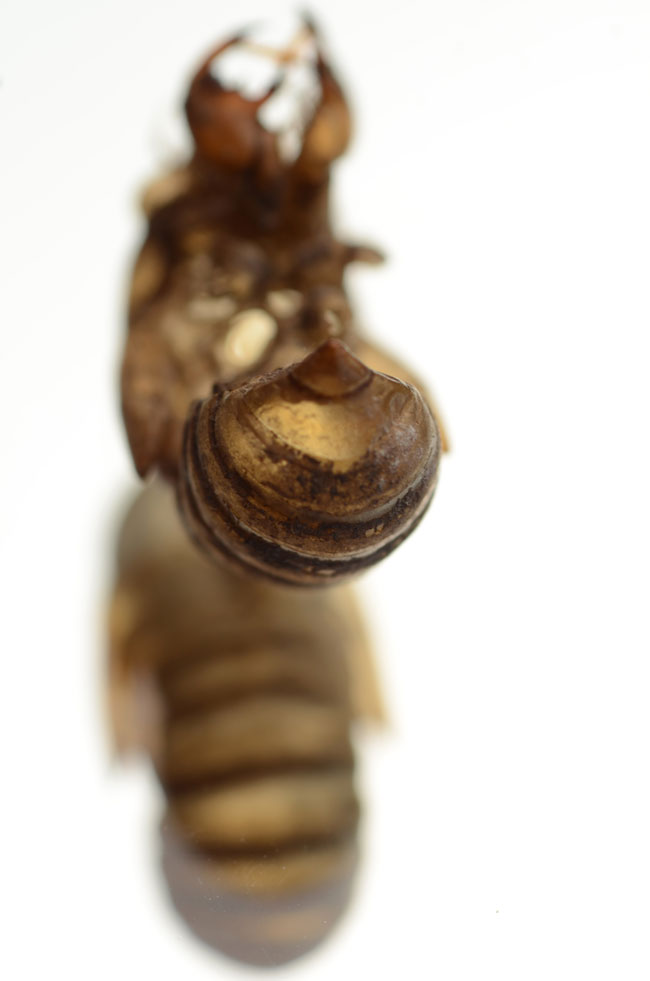
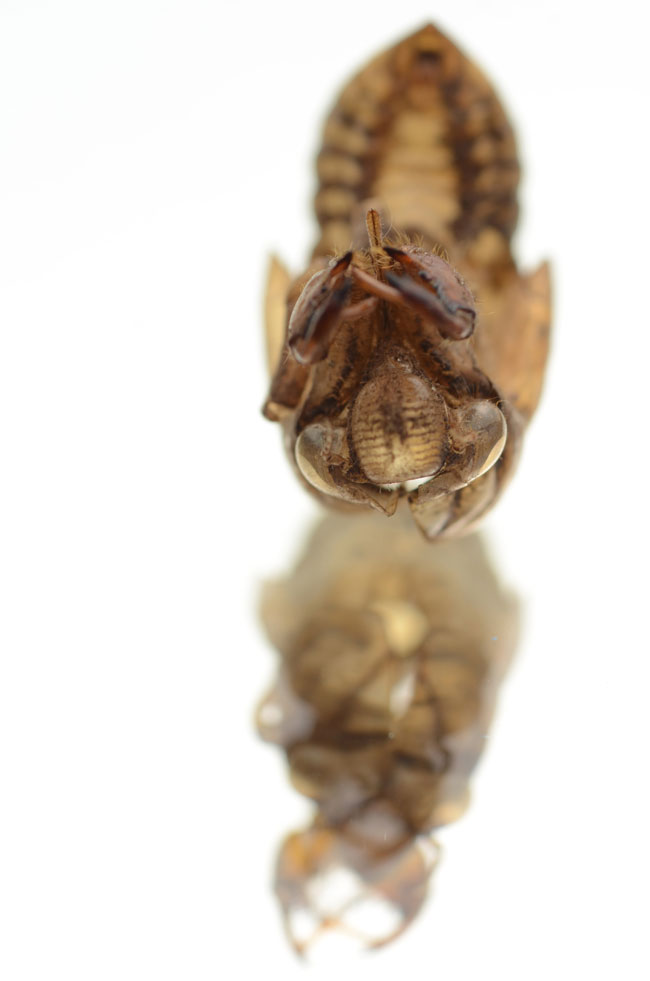
 The escape hatch. A little tear up the back.
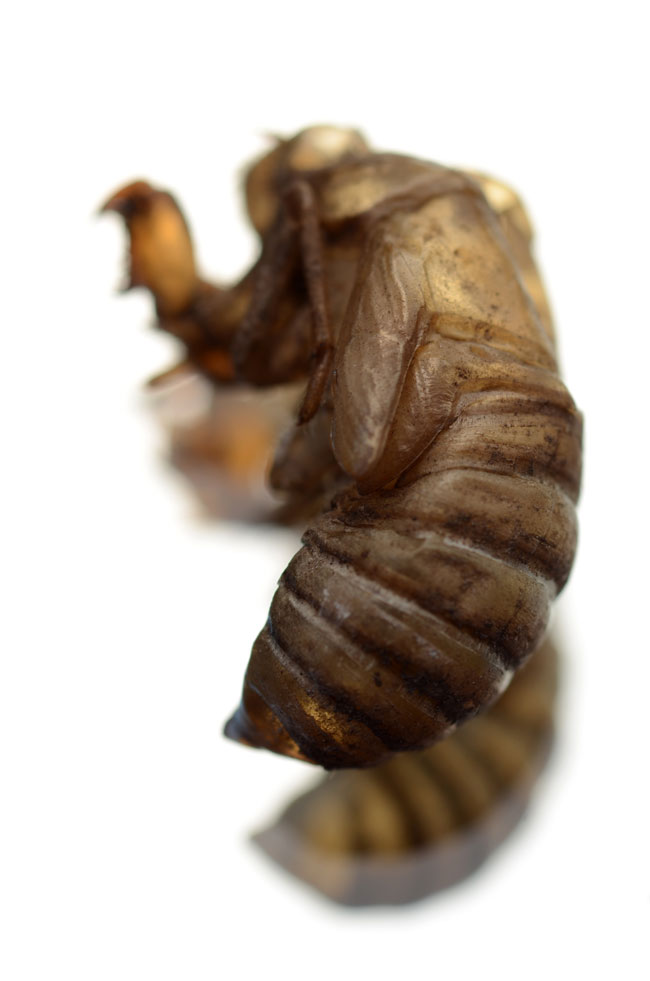


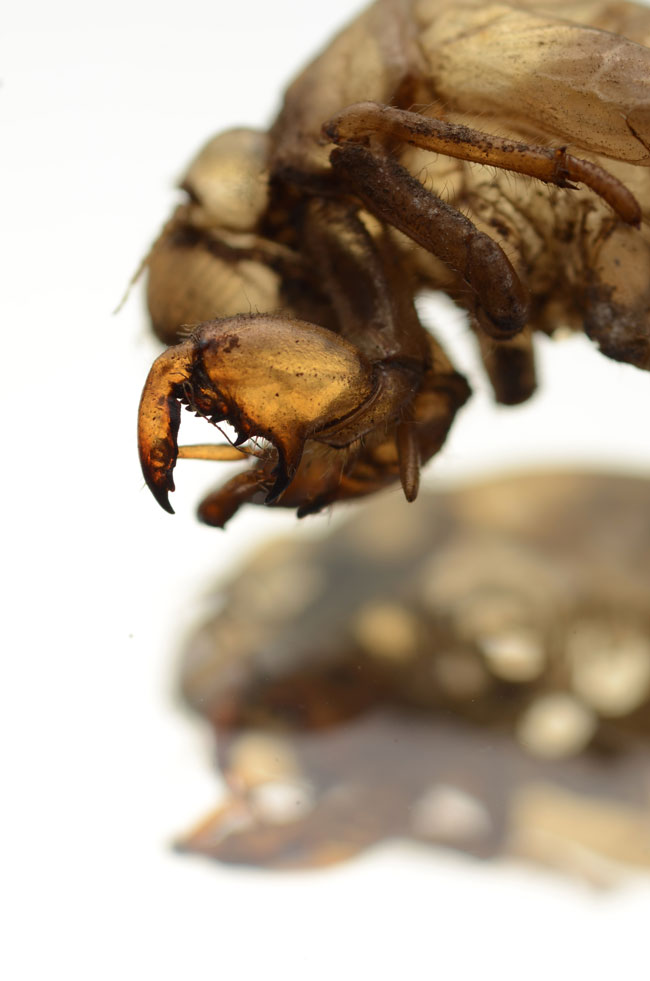 *If you are curious about method, this cicada shell was photographed on a mirror.
All images © Karen McRae. 2012
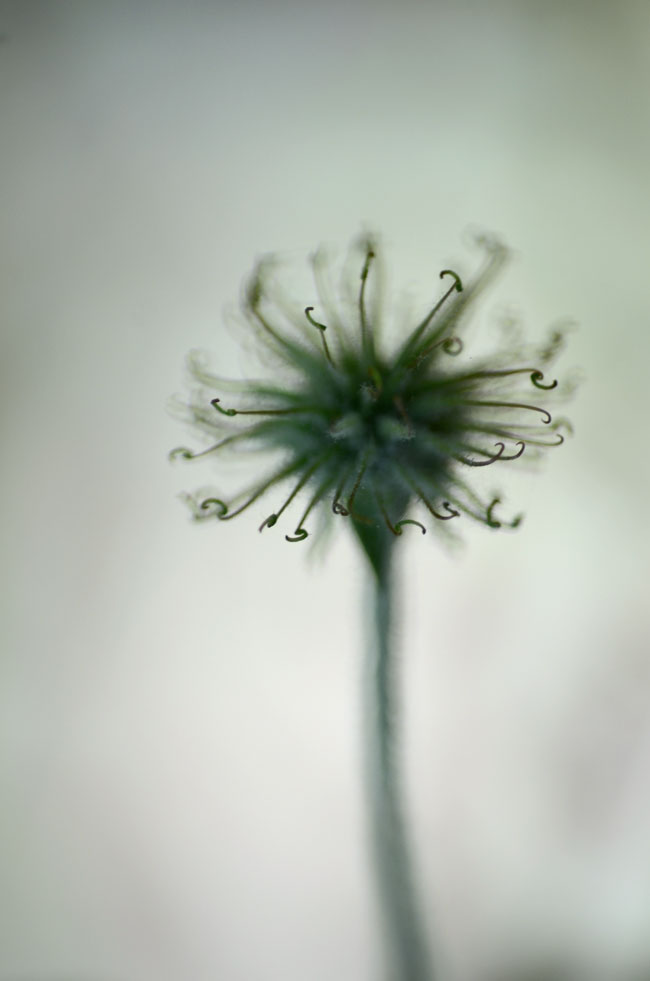

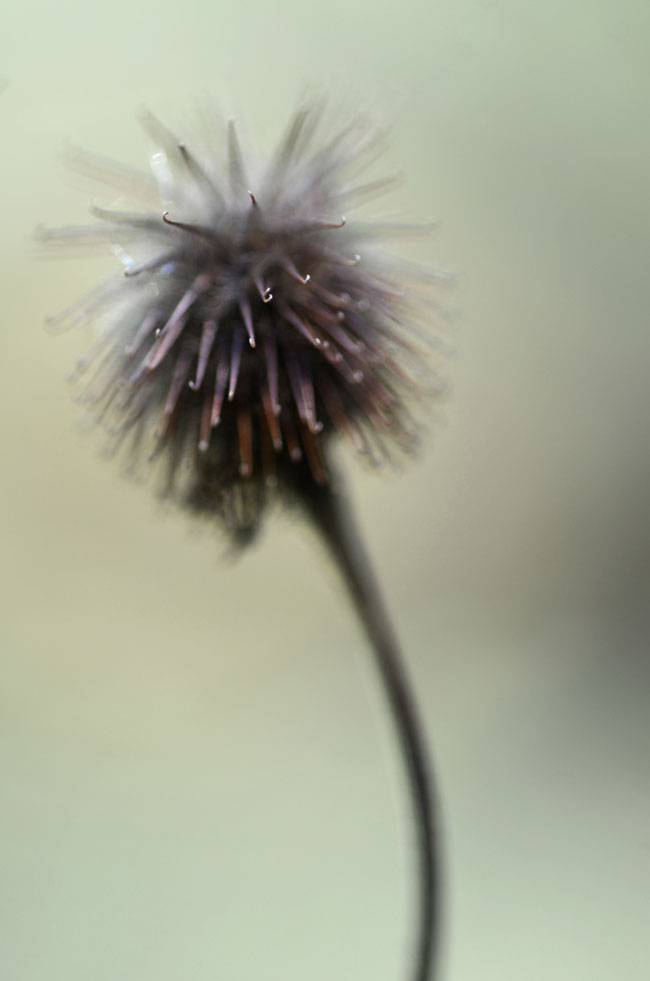
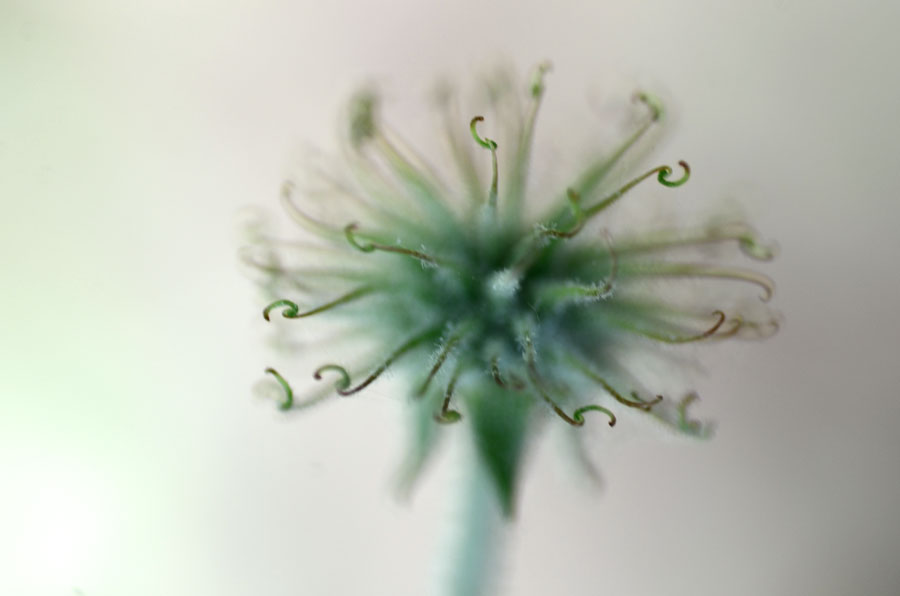
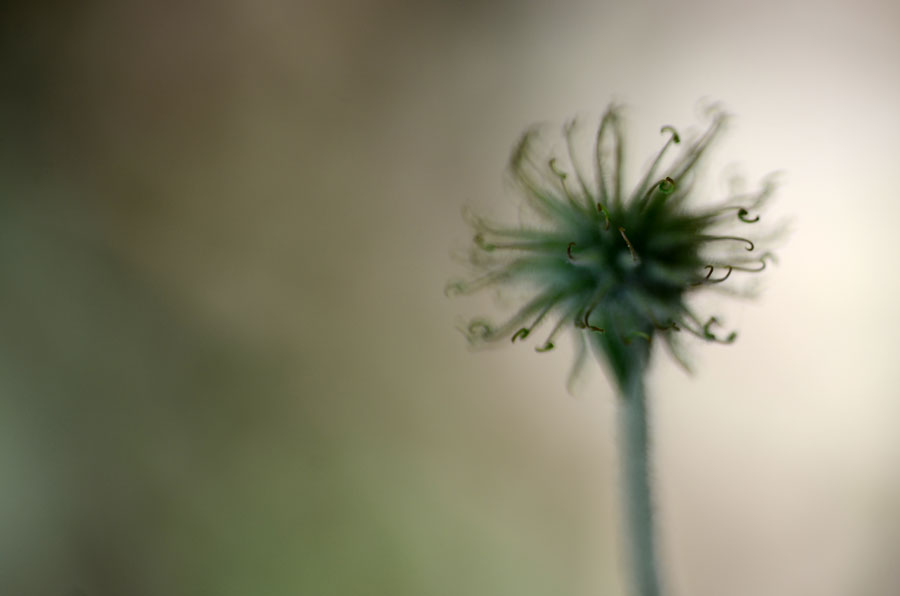

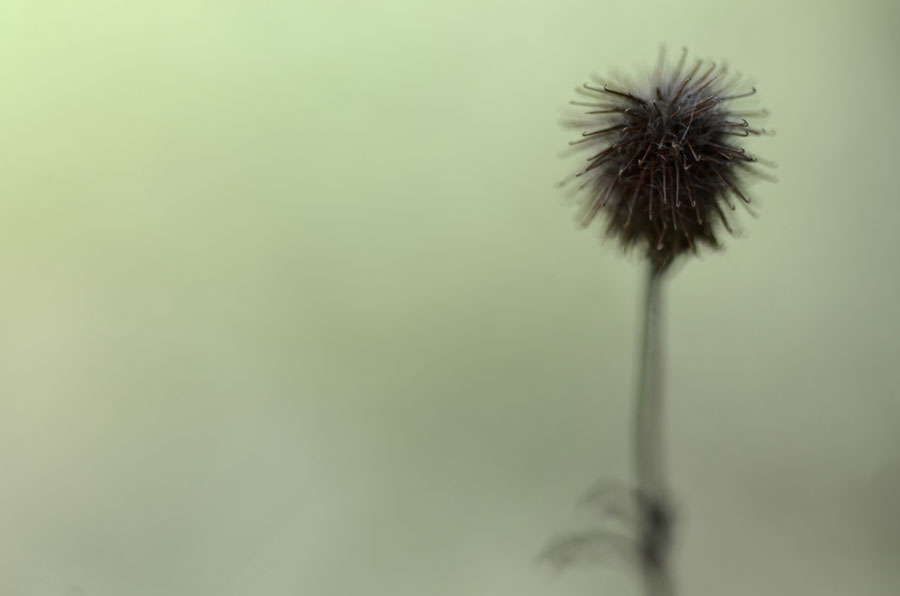
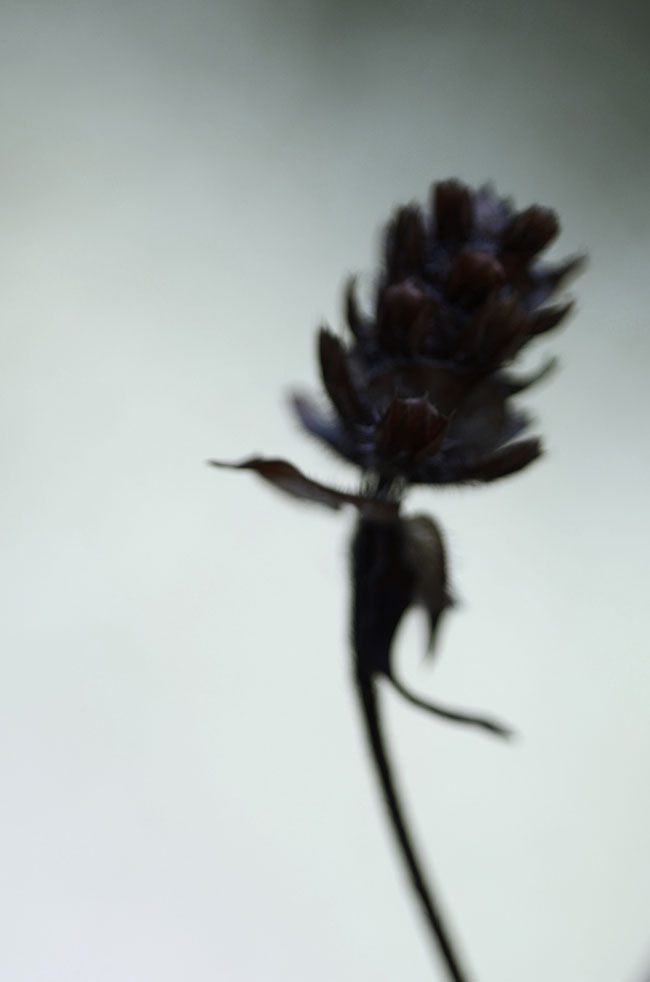 These little transforming seed heads each seem to have their own bit of personality when you look at them closely. I am absorbed with the details of form, depth of field, and light (of course!). And they are very cooperative subjects. It is really the breeze that is most playful.
All images © Karen McRae, 2012
A scrap of lost thought. A slipping away.
The thin gauze of light. A settling in.
A pending heartbeat, the rhythm grazed.


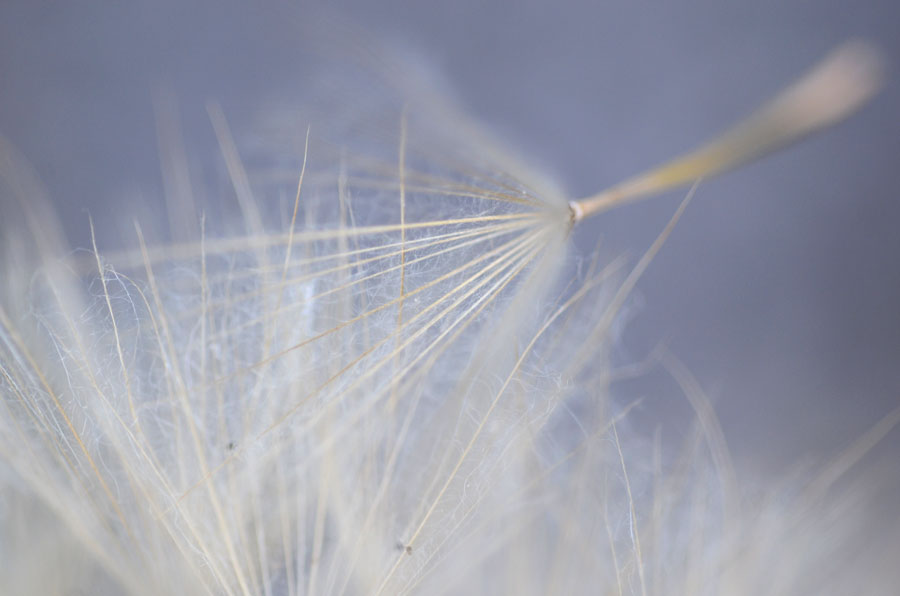


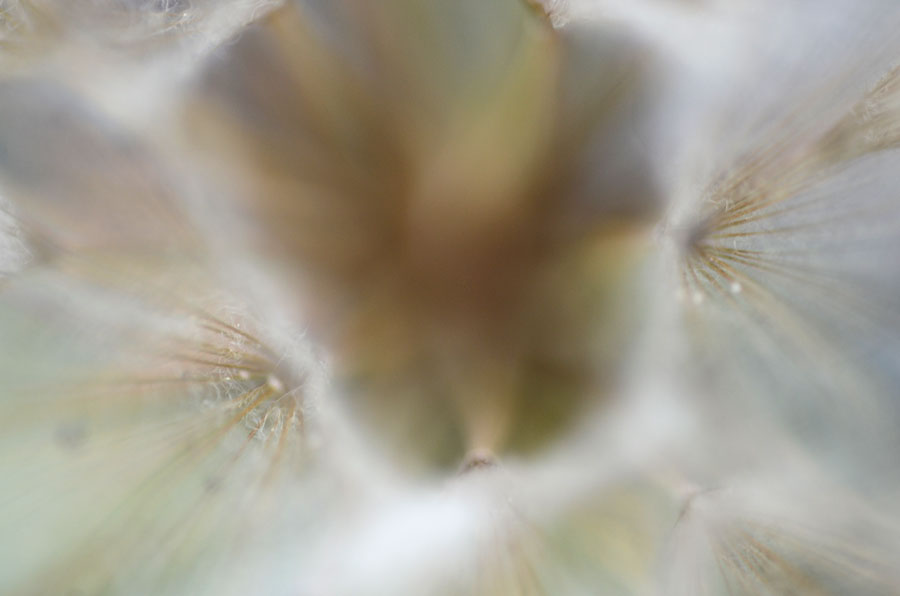 Goat’s-beard seed head
All images © Karen McRae
 We’ve been having bits of rain today. It is a sweet relief for a parched land with cracking earth, wilting trees and low rivers. The mudflats stretch on and on like a low tide.
I rarely insert myself into the landscape but today I felt part of it.


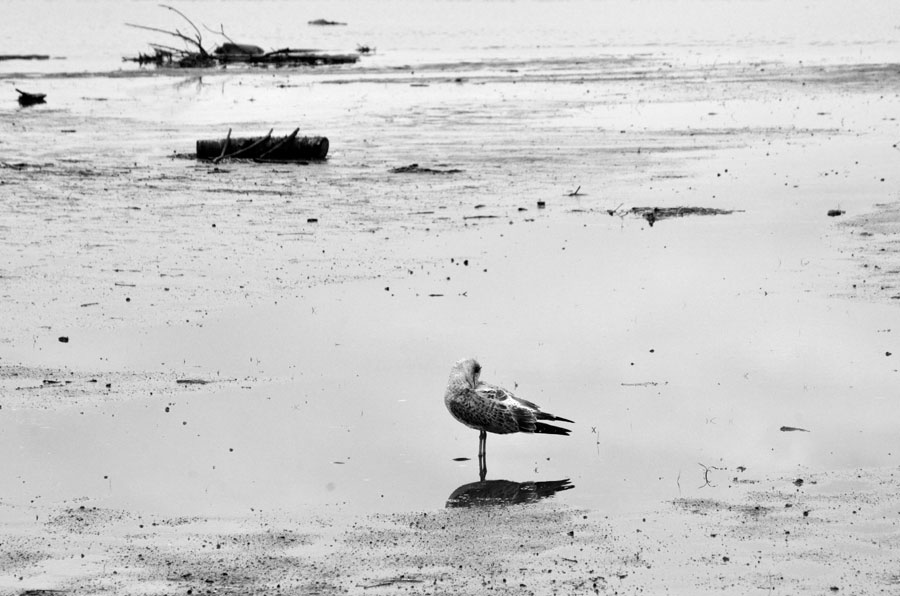


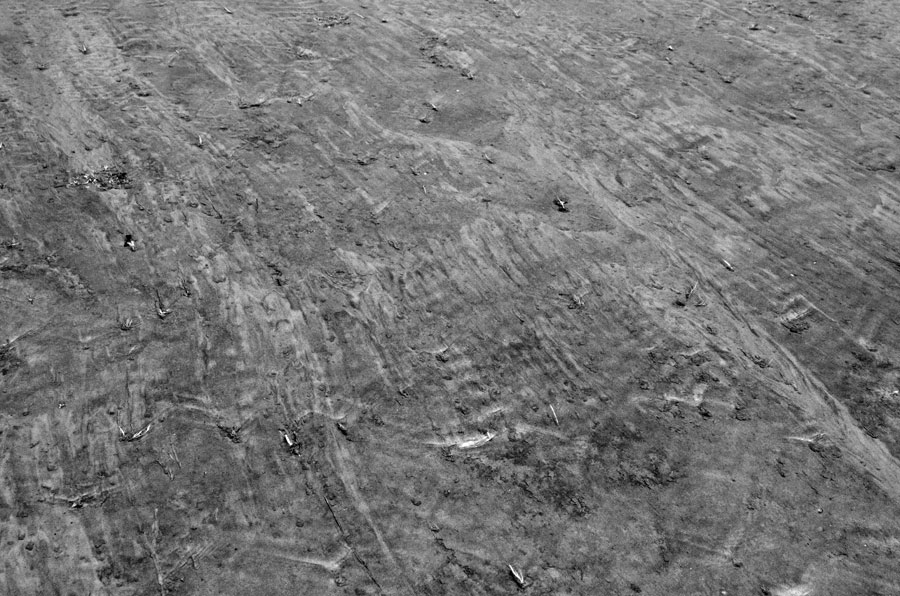


 Ottawa River
All images © Karen McRae
A wonderfully creative and sustainable use of retired industrial land in the city, the Evergreen Brick Works is an extraordinary community environmental centre located on the site of the former Don Valley Brick Works (1889-1980’s) which produced many of the bricks that built Toronto. Old and new is beautifully integrated, creating an eclectic and vibrant space that makes full use of its central location on a swath of green space along the Don Valley ravine that runs through Toronto.
If you arrive on a Saturday you will find a bustling farmers market, selling local seasonal food, and buzzing with the energy of creative and interesting people. We brought home some fresh fish, garlic scapes, new potatoes, swiss chard and multicoloured heirloom carrots, which were all put to good use.
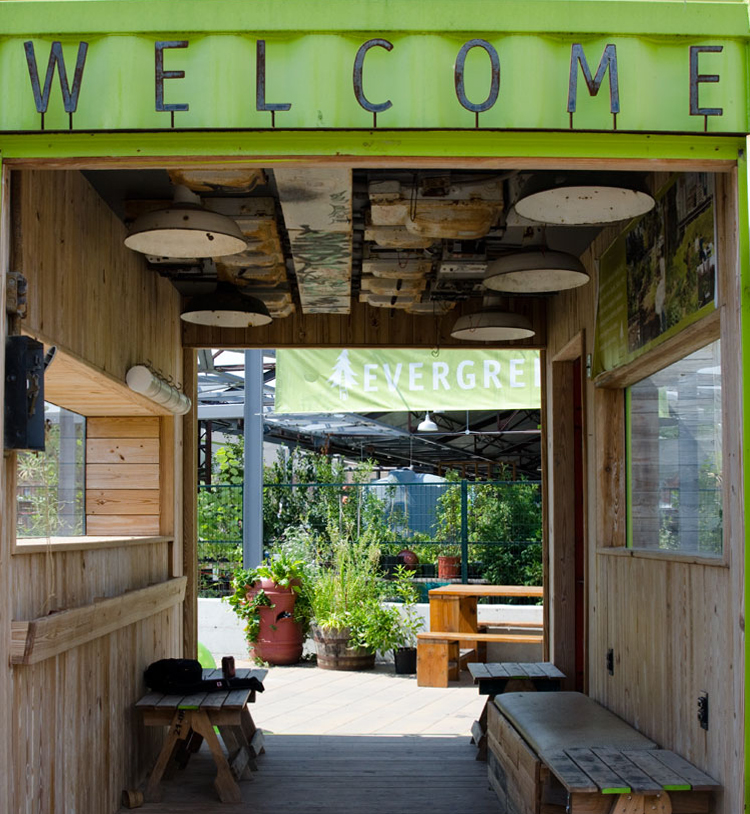 An interesting little shelter where you can wait for a bus or a free shuttle to take you to the subway system for a convenient commute. Note the industrial pieces on the ceiling re-purposed as integrated art.
 A central garden space showing both new and old buildings.
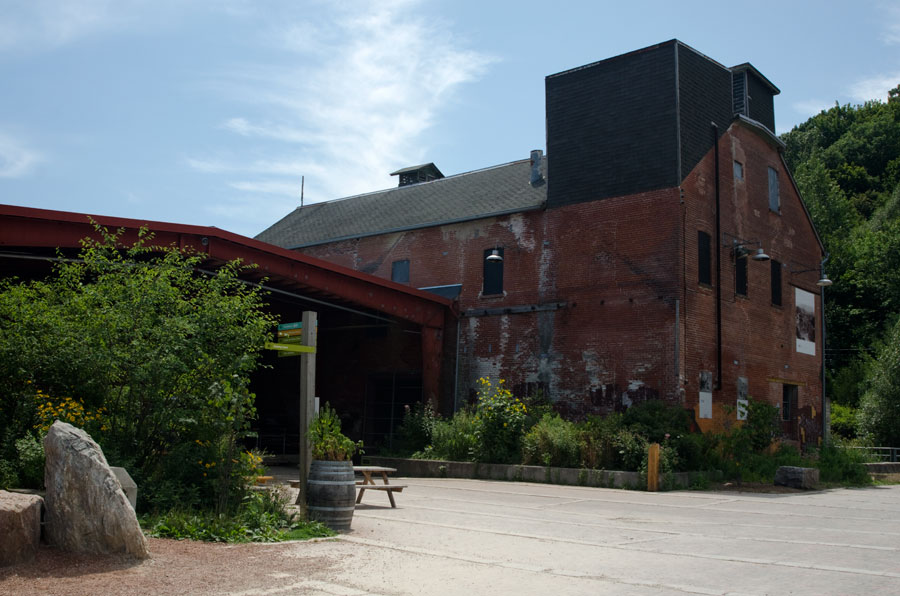
 Above: A small section of the children’s garden. There are children’s day camps that run out of some of the buildings.
 The open rafter area inside this building above, marks the Koerner Gardens, which are planted with native species. There is also a garden shop where you can learn about, and purchase, native plantings and many other products.
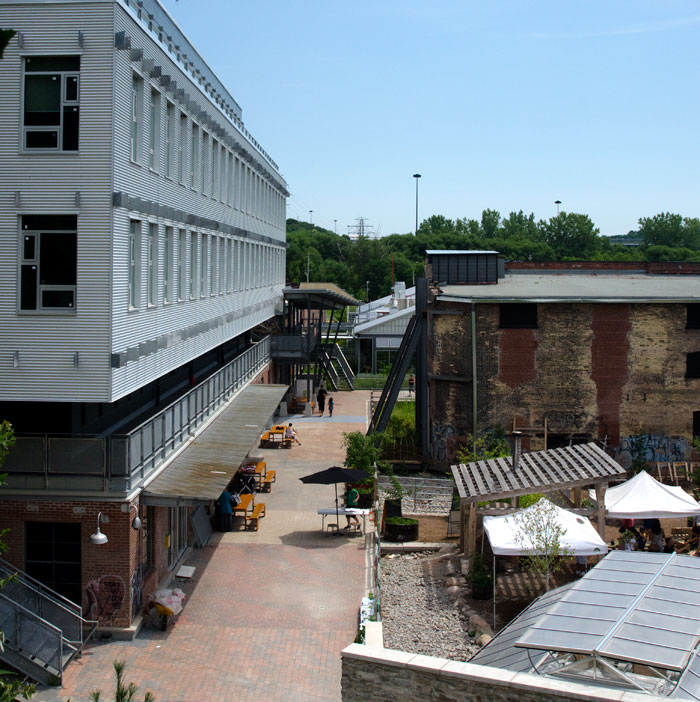
 The large artwork on this wall is called Watershed Consciousness and was created by artist Ferruccio Sardella. It represents a map of the rivers that flow through the city and gently flows with water itself to sustain the plants tucked into the crevices that mark the waterways. The structural metalwork acts as a support for the both the building and the artwork.


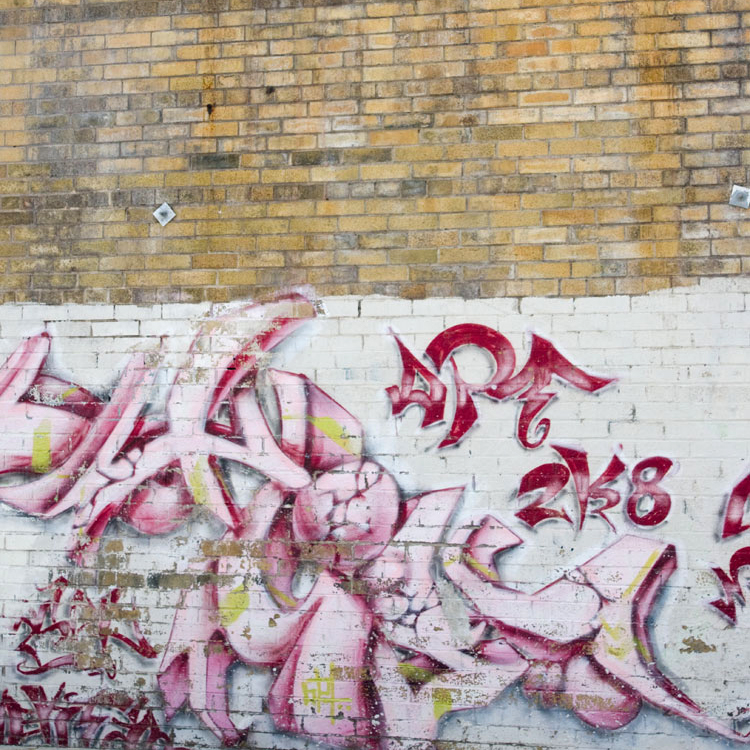 Much of the old graffiti has been left on the surfaces and somehow it adds to the dynamic community feel of the site.
 The interior space of Koerner Gardens. In the winter this area is transformed into a skating rink where you can wind your way around the raised beds under the open rafters. The skating rink is equipped with a refrigeration system and the waste heat produced from this system is directed to heat the adjoining cafe.
 An image of what the clay and shale quarry used to look like before it was filled with water and turned into a vital habitat for native flora and fauna.
Below: A cross-section representation of the rock layers found in the quarry.

 You just have to turn away from the buildings to see what is, essentially, the back garden to the Brick Works. A green space so vast that it’s hard to image you are in a huge city. There are winding walking trails within the 40 acre site that take you to lovely ponds, boardwalks and sitting areas. And beyond that the continuation of the ravine system and its huge network of paths.


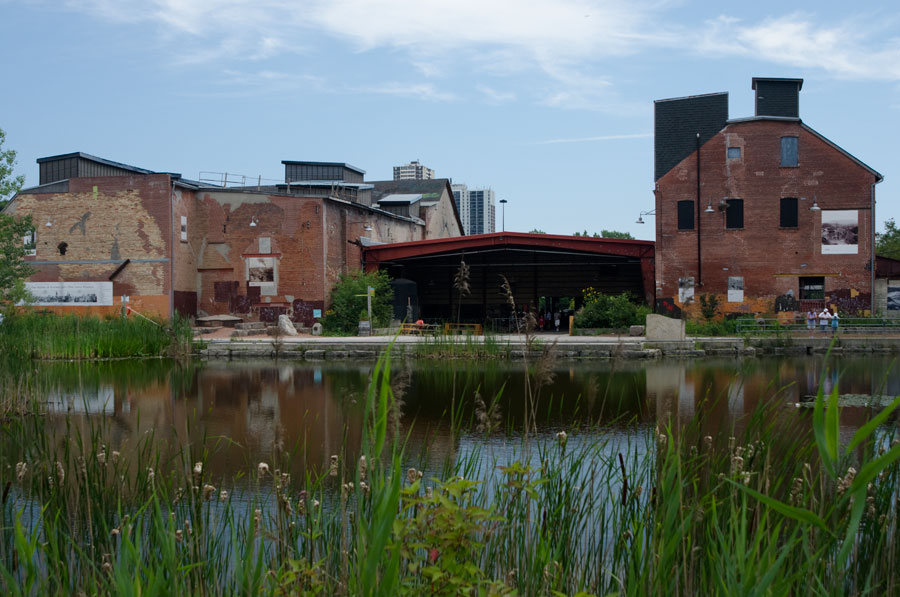
 There are many interesting businesses, events and features within the Evergreen Brick Works that I haven’t even touched on here. If you are interested in more information you can visit their website here: www.ebw.evergreen.ca
All images © Karen McRae
 I’m working on a little art and photography project related to children and it got me thinking about things that I would have been interested in, and looking for, when I was a child. Not so different from what I’m always absorbed in now!
The bird above is a good example; I picked this up when I was child, out of the same river I am often beside (or in) these days. I was at a cottage with my family and this driftwood bird was lying at the water’s edge waiting for me to come along. It is, as I found it, and has flown with me from home to home ever since.
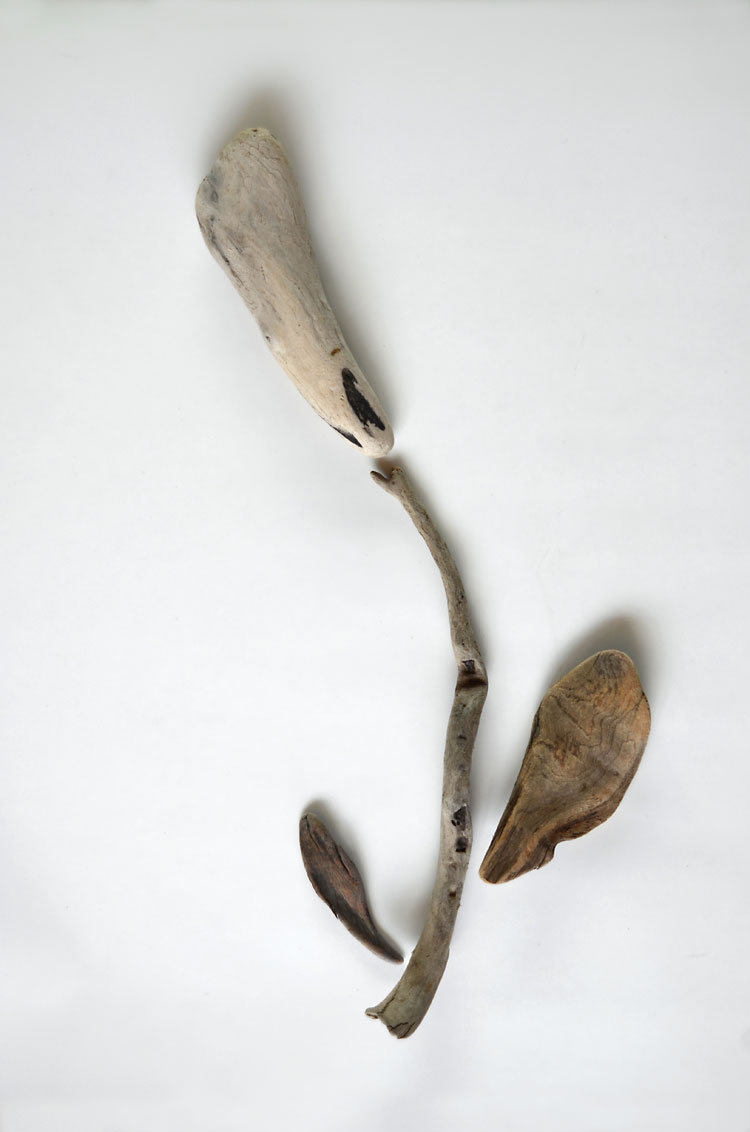 These smaller driftwood pieces have been arranging themselves into little works of art. They are pieces infused with salt air and salt water. Wood that has traveled the sea.
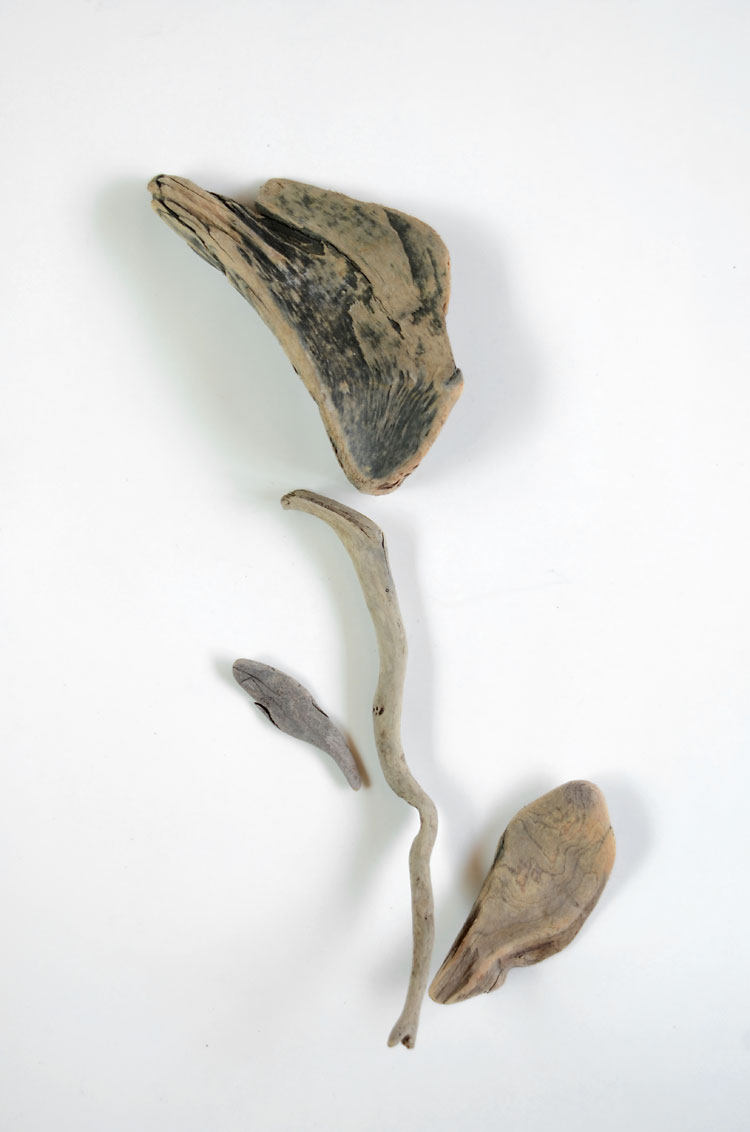


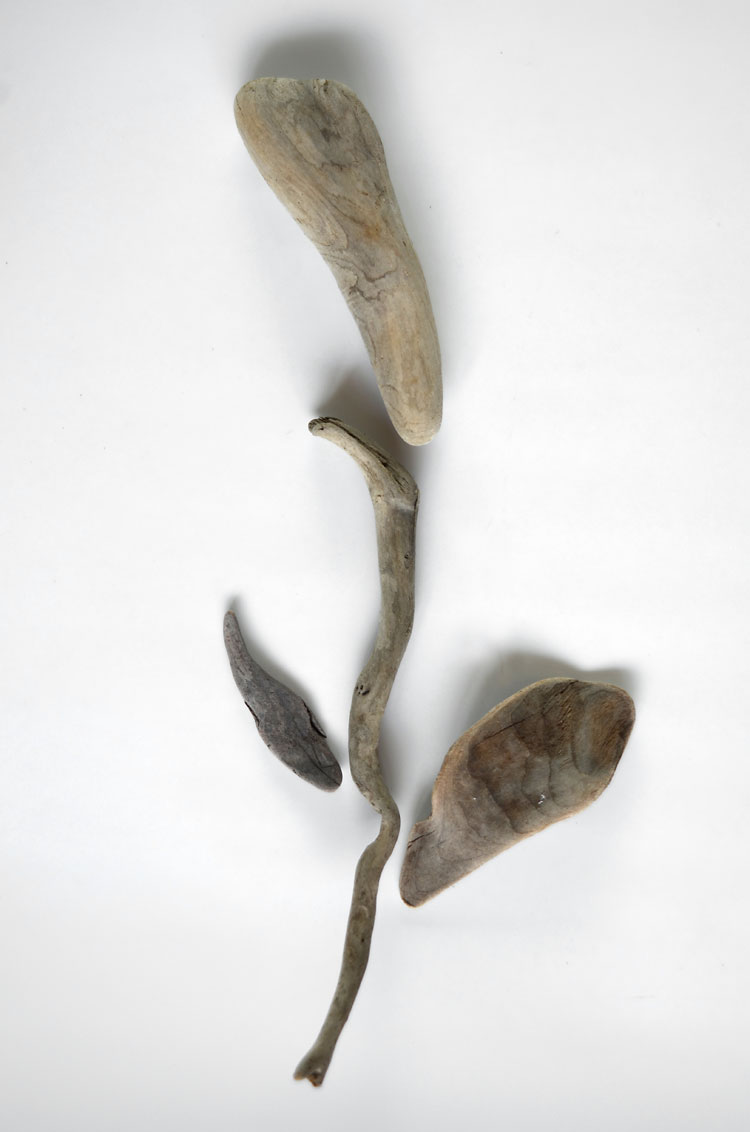
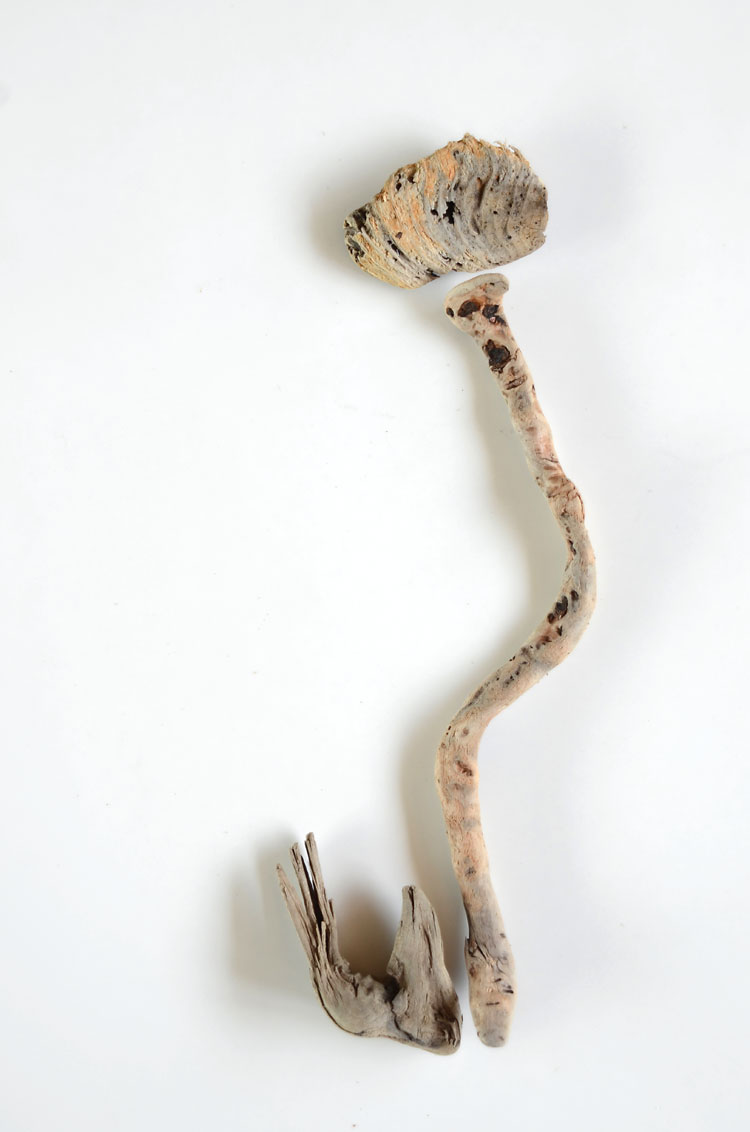
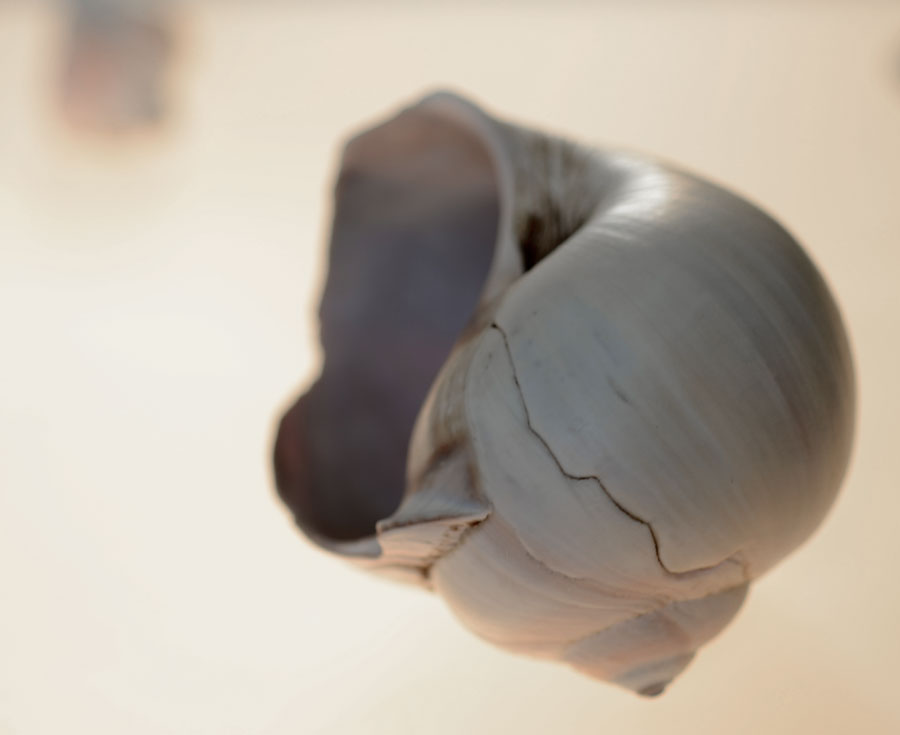 listen…
All images © Karen McRae, 2012
 draw and shoot