Life in the Liminal Spaces

Insects-in-Light

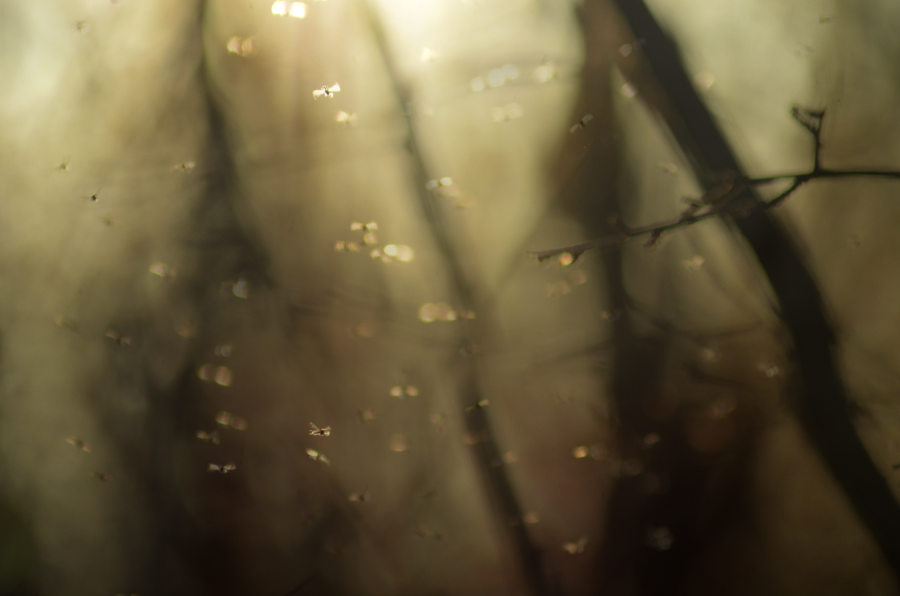
You might not realize that most of the photographs I post here are made in the city. A city ribboned with green spaces and waterways – corridors teeming with wildlife. A different version of city life. An exploration of the narrow tributaries, the wide rivers and the earthy ‘cracks’ someone has thought to leave between all the pavement. You never know what you might find in these spaces because even though we heap constraints on these wild creatures they place no constraints on themselves (Last spring we even had bears visiting).

The-Tree-Stand-3

Late-Day-Light

Night-Heron-and-WarblerThe Night Heron and the Warbler (above)

Turkey-Vulture1

Turkey-Vulture3

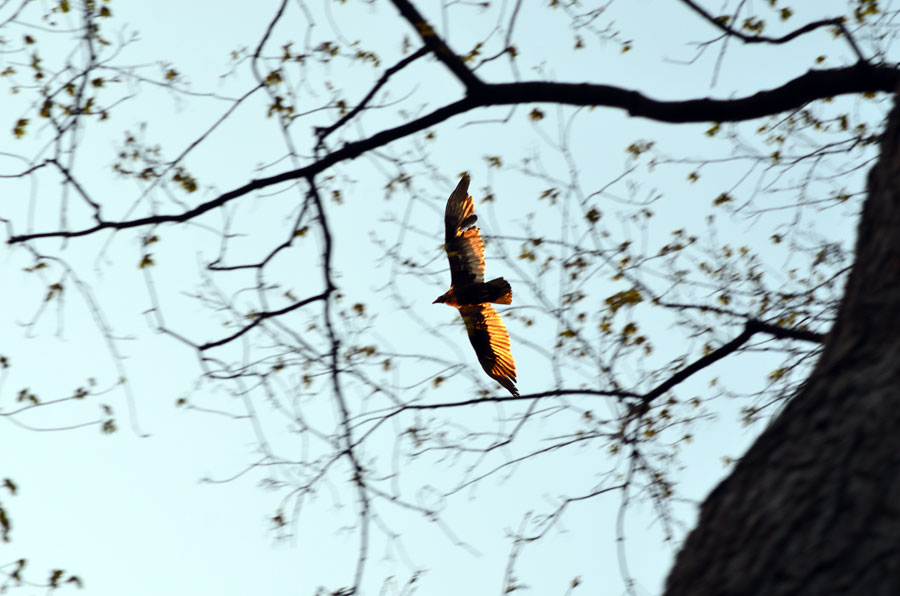
Turkey-Vulture2Turkey Vultures, Perched and Circling

It’s common to see the odd turkey vulture circling above the green spaces but in the dwindling light of the weekend I looked up to see a tree draped with ten or more of these birds who appeared to be gazing down at me. They are so odd-looking with their red shrunken heads and wide-shouldered bodies. A few of them lifted their wings to the last rays of warm light.

The-Tree-Stand-1

The-Tree-Stand-2

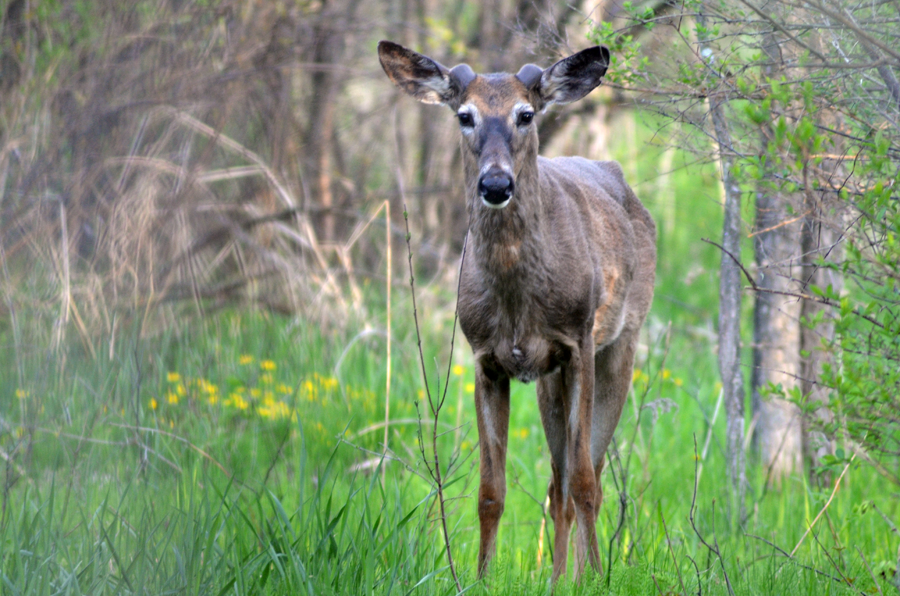
MaleDeerBeing Watched by a White-tailed Deer. A male deer with new antlers sprouting over his ears. You can see things are really greening up around here.

© Karen McRae, 2014

Night Light

NightLight1

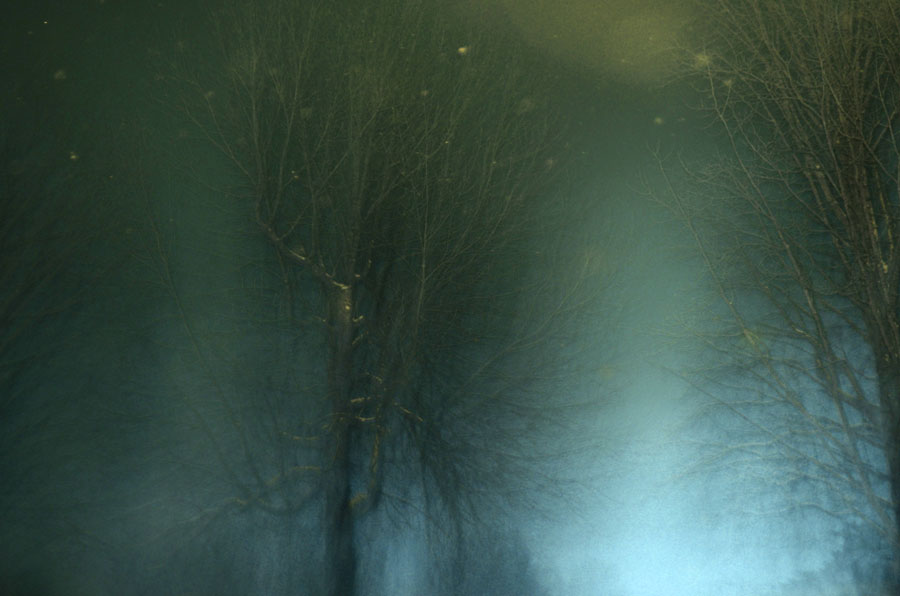
NightLight3Sometimes when I feel like my work or ideas are getting monotonous I try to think of my camera as a sort of sketchbook and think of ways I might capture ‘sketches’ of the landscape rather than more ‘representative’ photographs. I’ll try using double exposures, long exposures and/or maybe camera movement to get a different sort of feel happening.

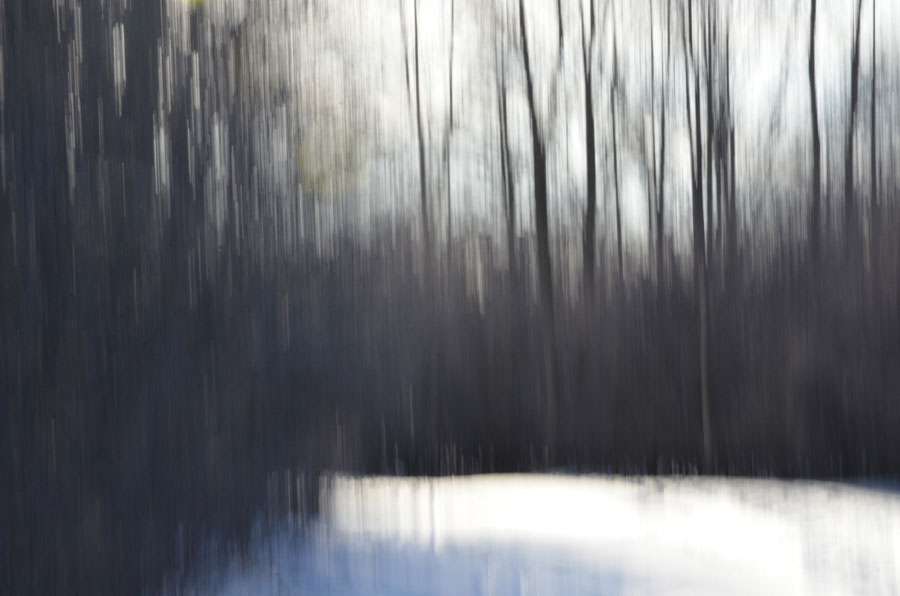
NightLight2These are a few images from a snowy winter evening when I went out to just play. No expectations or specific ideas – in my mind I was simply sketching the night and following my intuition as I experimented. I made setting adjustments as the camera gave me feedback. At times I used flash to capture the snowflakes and elements in the foreground along with exposures lasting several seconds, and at times also moving the camera to see what might happen.

NightLight4In the first image you can see that I was moving my camera up and down which created light trails from a light source on the other side of the woods. A strange image but there is something about it that I find oddly appealing. Perhaps it reinforces the idea that a camera is a tool with endless possibilities and every so often I need to be reminded of this.

I wasn’t initially planning on posting these as they seemed to be more about process than result – technically they are quite noisy – but I sort of like the soft-focused, grainy look of them and in the end they really are sketches of a snowy winter night.

© Karen McRae, 2014
Fall, by the Wayside

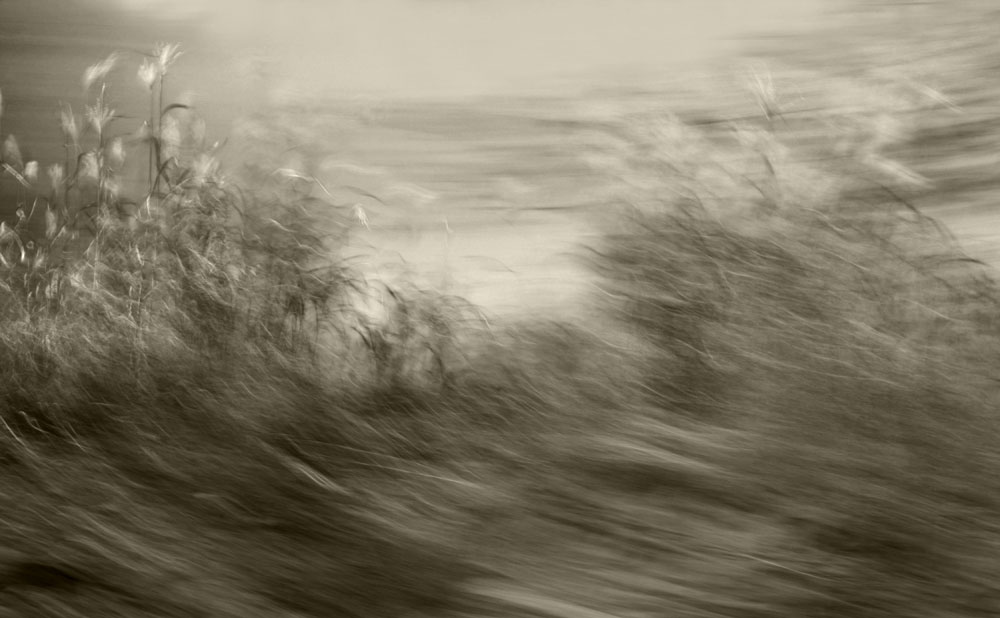
RoadsideGrasses2

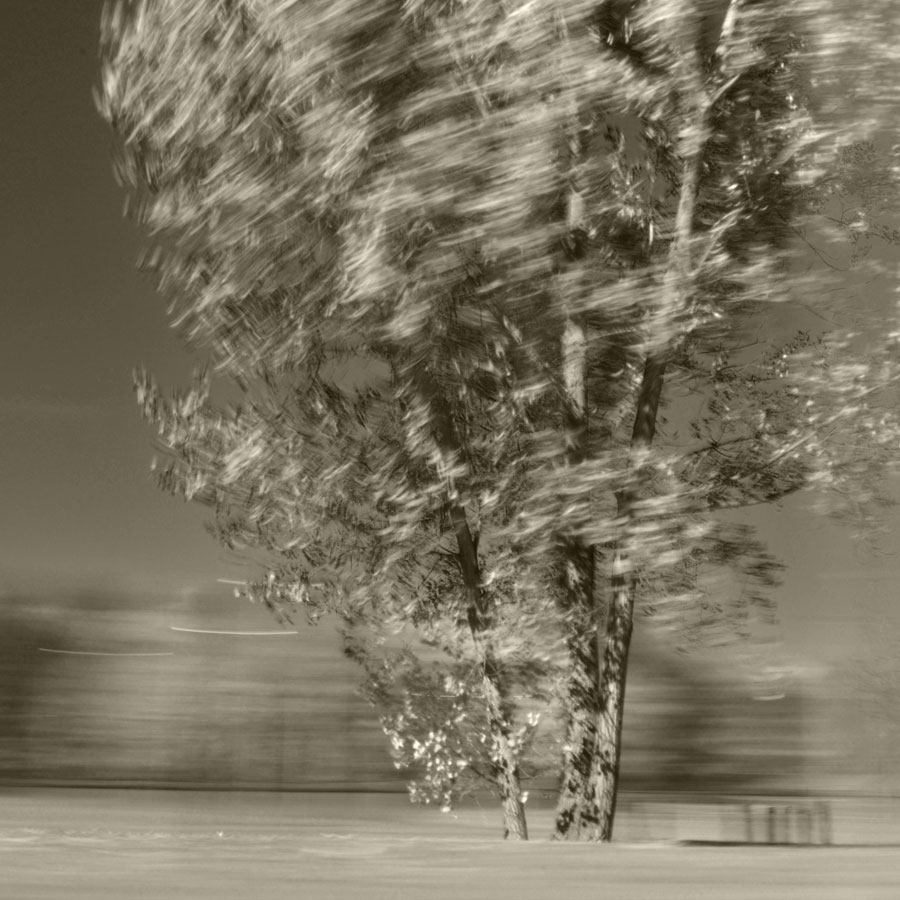
RoadsideTreeOr, autumn by the roadside.

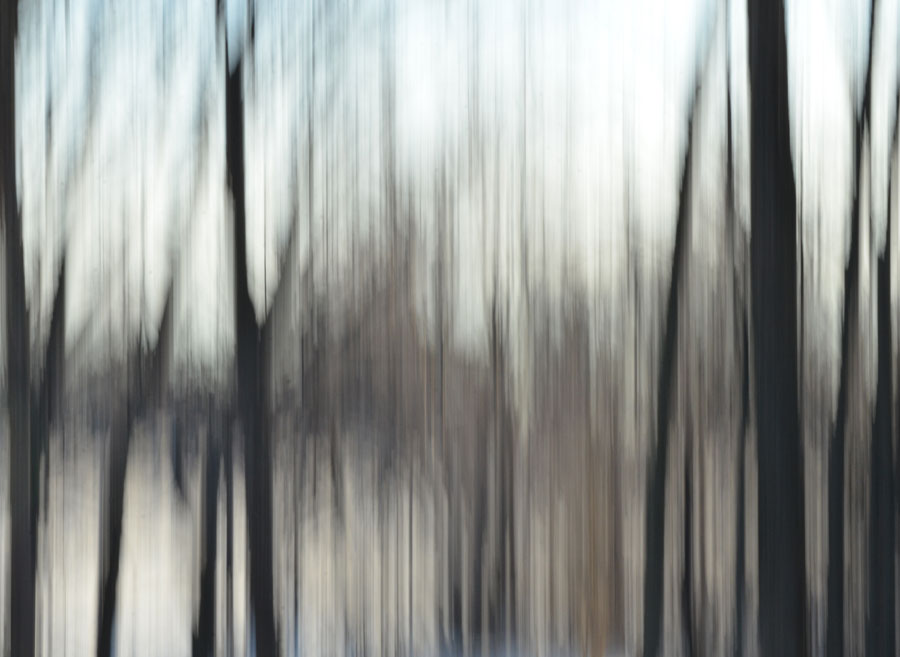
Photographs made from a moving car (I wasn’t driving, obviously). I found the intense colour a bit bothersome in these particular compositions so I converted them to sepia and adjusted the levels of some of the tones to bring out contrast.

These are made using a slow shutter speed and by panning the camera (following the subject) as the car moves along. I like employing this technique as it can result in some unusual photographs with some parts of the frame relatively in focus and other parts quite blurred, sometimes resulting in what appears to be opposing movement.

I like, too, not knowing what to expect when I look at the image. It’s always a bit of a surprise, with many failures and a few frames having a bit of interest. Well, and it is an alternative for those times when you see potential photographs speeding past your window but you are just unable to stop.

© Karen McRae, 2013

By Degrees

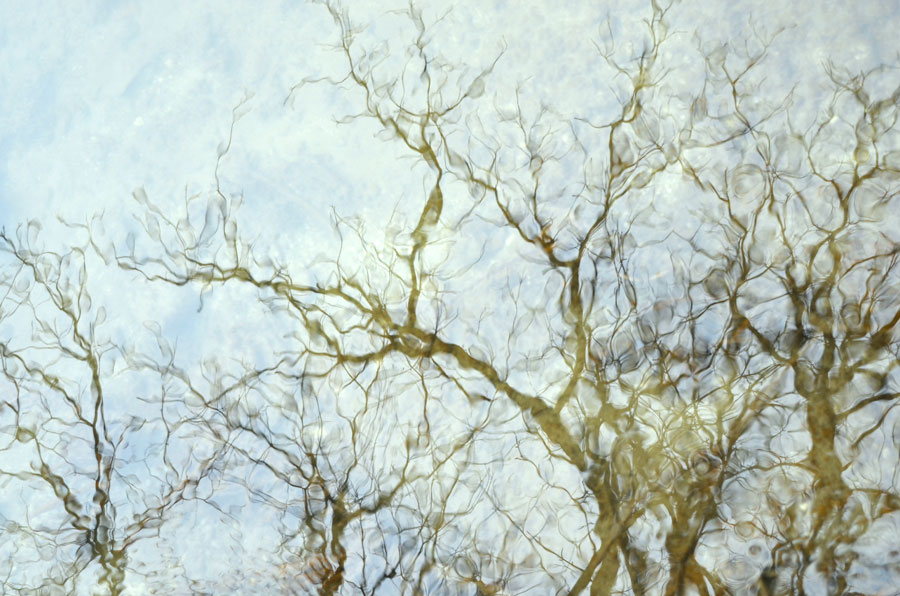
LateWinter1LateWinter5FringedFlowers2We are creeping ever so slowly out of winter and these pale robin’s egg blue tones seemed to have a little whisper of spring in them, (which I am craving today!).

(Water reflections of trees and frosted winter flowers)
© Karen McRae, 2013

it’s been a winter,

he said

yes, it has been
a winter

Milkweed
Willow8
The First Throw

The thing to consider about weeping willows, is that they are inherently mischievous.

There are many stories to support this thought. Tales of entanglement, trickery and enchantment. Stories also, of their wisdom.

If you lived much of your childhood beneath a graceful willow, you know the stories of wisdom are true. You will know, too, of their affability.

But, when you stop beneath a snow-laden willow on a day in late winter, you might be reminded of their playfulness. For the trees are awakening.

And while you are veiled in its beauty – when you feel encompassed and safe; it will start the battle then.

For what is wisdom, without humour?

Willow10

it’s been a winter,
he said

yes, I love that it’s been a winter

© Karen McRae, 2013

Flurry

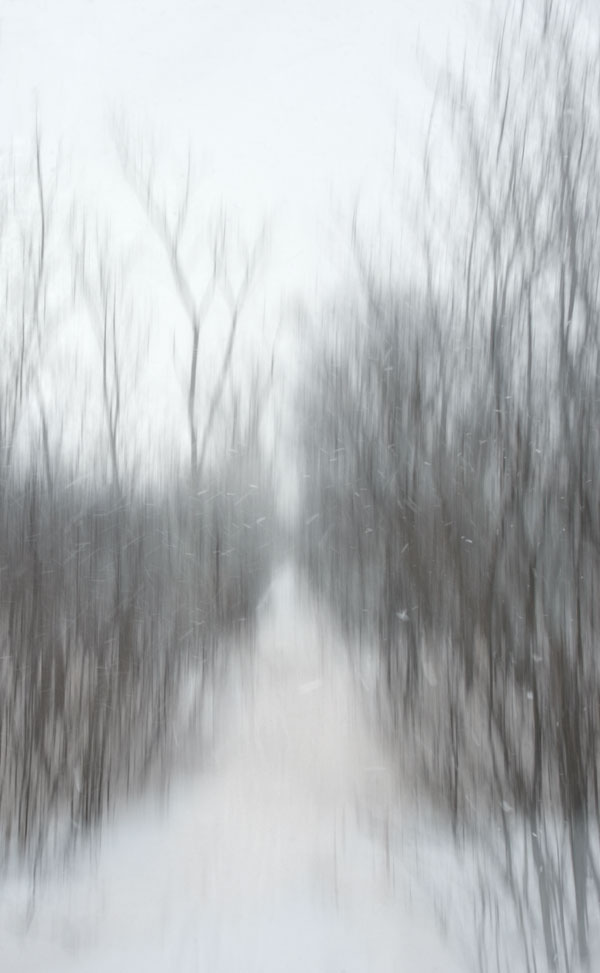
The essence of a day etched by falling snow.

Flurry2
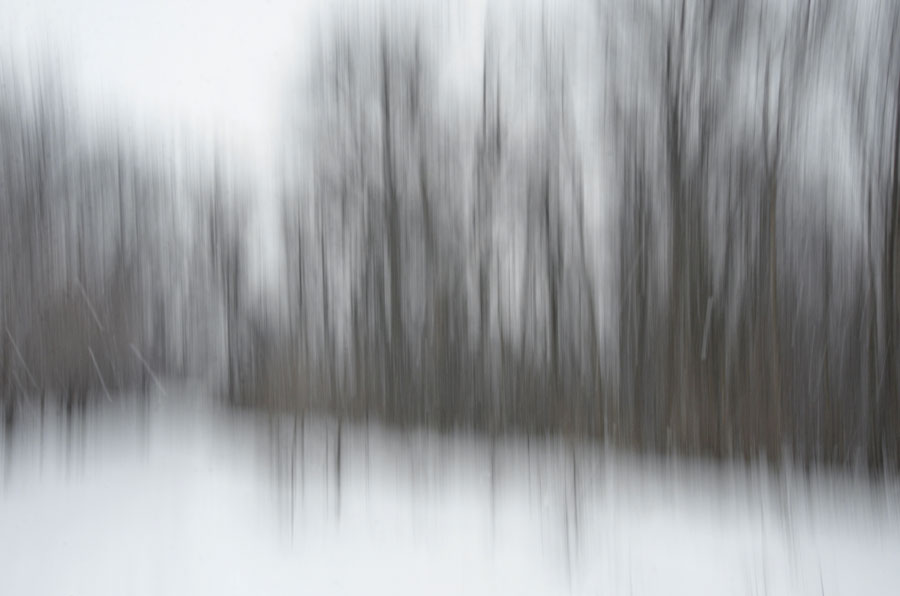
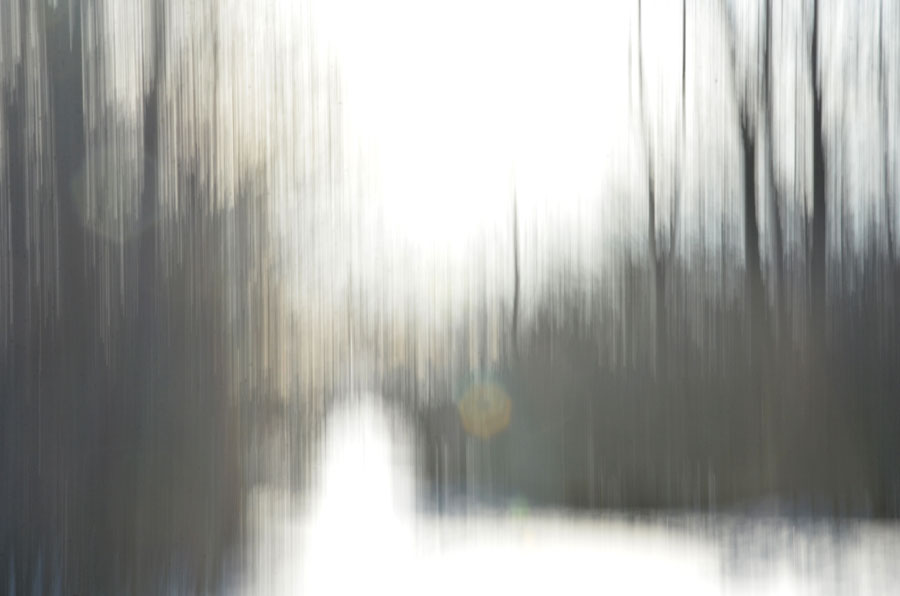
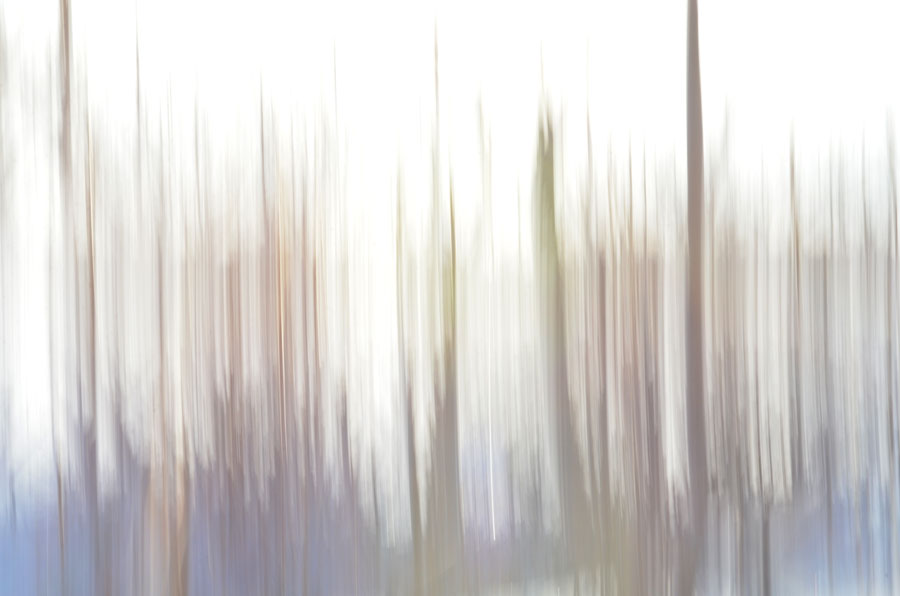
BlurringtheLines_Snow7Similar to the previous post, these photographs are made using a slow shutter speed and camera movement, but with very different weather conditions and light.

© Karen McRae, 2013

Blurring the Lines

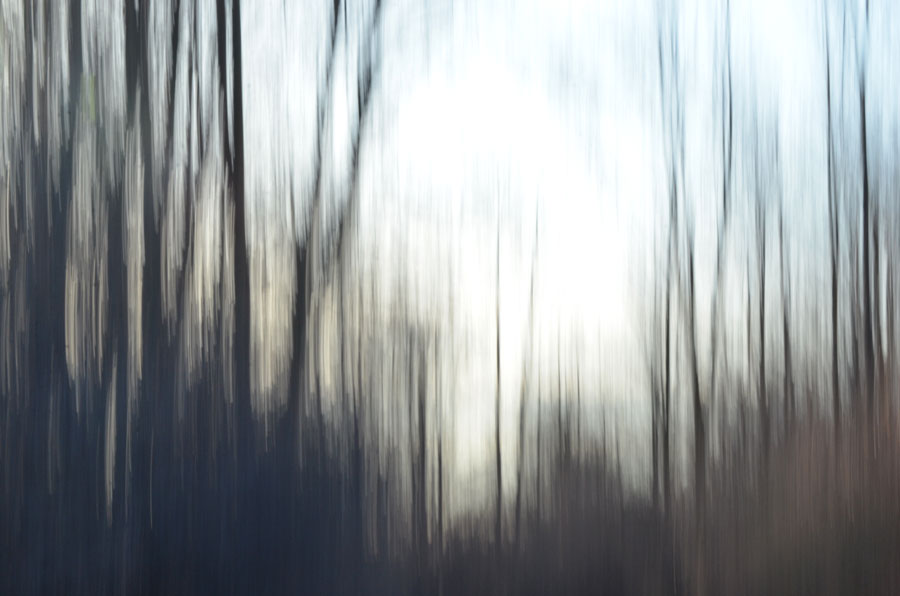
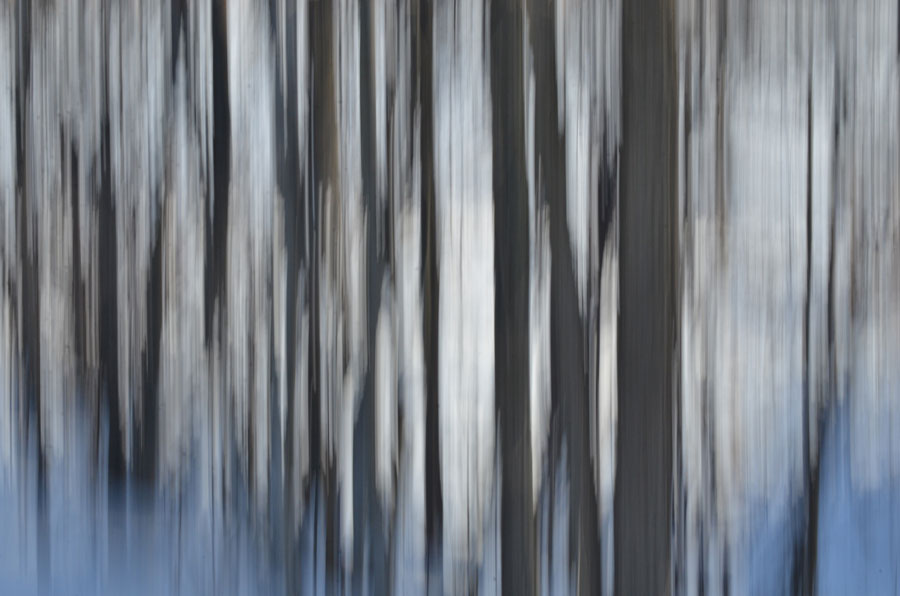
BlurringtheLines2Sketching the landscape with photography. These photographs were made using a slow shutter speed and camera movement. Other than some minor level adjustments they are as the camera saw them.

BlurringtheLines1
BlurringtheLines5
BlurringtheLines4
BlurringtheLines6
BlurringtheLines3 Animate bar(k)odes: the data of the landscape.

© Karen McRae, 2013

Surface, Submerge


Often, when I set out with an idea in mind, it becomes something else entirely.
I was thinking about the rich colours and light of autumn, and yesterday was one of those perfect autumn days.

But this is what I came away with.
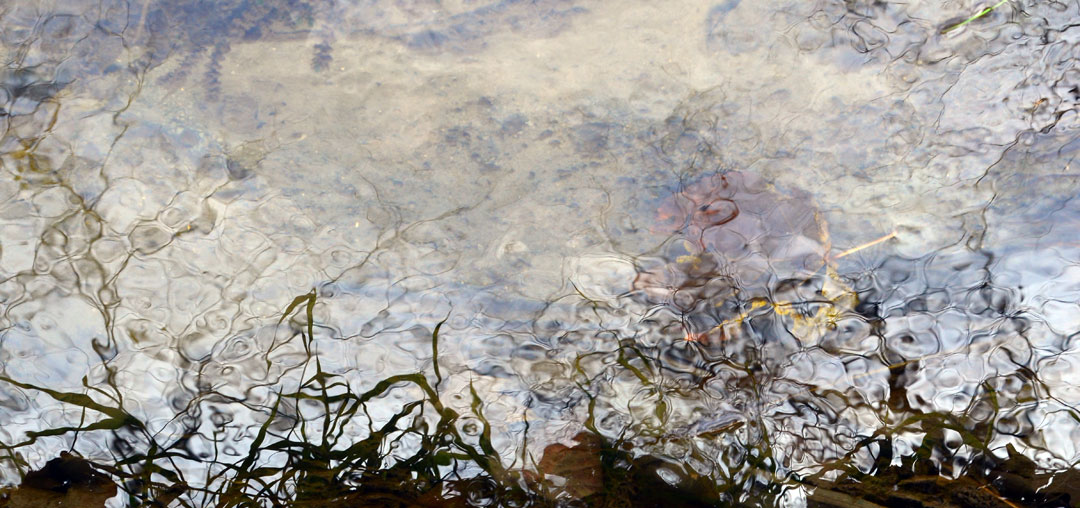
The convoluted reflections of the trees.

And beneath those reflections, the autumn leaves, submerged and already fading into murkiness.

Moments of bare limbs and fallen leaves melding together in rippling shadows.
A fleeting reconnection.

© Karen McRae, 2012